
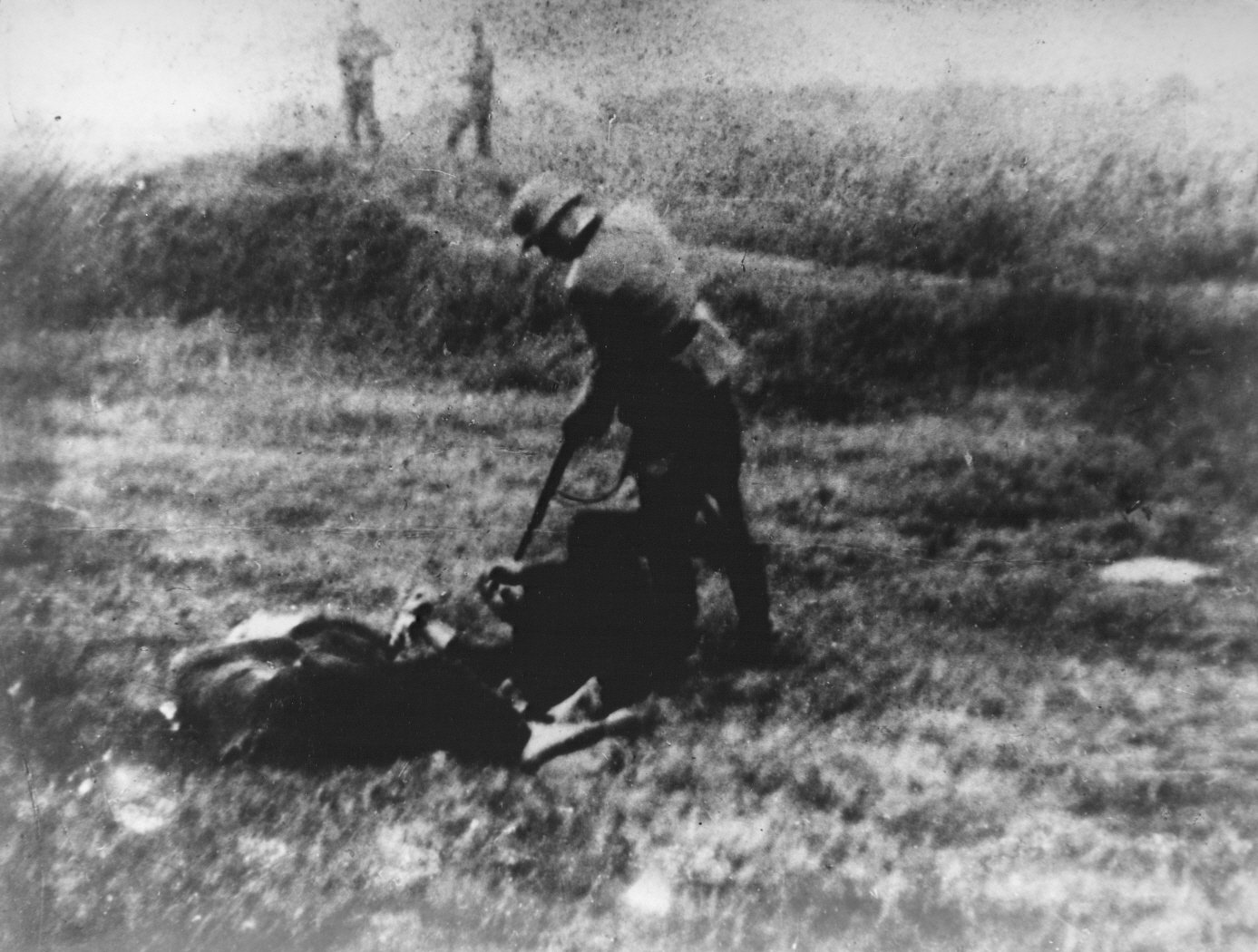
A Nazi German concentration camp in occupied Serbia that detained over 23,000 people and killed at least 3,849 during World War II, now preserved as a museum and memorial.
At a glance
Banjica was a concentration camp in the Dedinje suburb of Belgrade, jointly administered by German occupiers and Serbia’s Nazi-aligned puppet government. Operating from July 1941 to October 1944, it exemplifies the systematic repression imposed on occupied Yugoslavia.
History
After Germany’s invasion and occupation of Yugoslavia in 1941, the Nazi military administration—the Territory of the Military Commander in Serbia—established severe repressive measures including mass executions of civilian hostages and concentration camps. Banjica initially served as a holding center for hostages before expanding its role.
The camp was jointly run by German forces under Gestapo official Willy Friedrich and Milan Nedić’s puppet Serbian government, which remained under full German control. Though German forces monopolized the killing of Jews and orchestrated the Final Solution in Serbia, Serbian collaborators actively participated in the violence. By 1942, mass executions shifted to firing ranges at Jajinci, Marinkova Bara and the Jewish cemetery. Friedrich was later tried, convicted and executed for war crimes by Yugoslav communist authorities after the war.
What you see
The original camp buildings and grounds remain in the Banjica neighborhood. A small monument dedicated to the victims was constructed after liberation. The site now functions as a museum documenting the camp’s history and the experiences of those imprisoned there.
Cultural significance
Banjica stands as a crucial witness to Nazi occupation and genocide in the Balkans. The camp detained Serbs, Jews, Romani people, captured Partisans, Chetniks and other Nazi opponents—23,697 individuals in total. Its preservation as a museum ensures that this chapter of Serbian and European history remains visible and studied.
Key facts
- Country: Serbia
- City: Belgrade (Dedinje suburb)
- Operational period: July 1941 – October 1944
- Total detained: 23,697
- Deaths: at least 3,849
- Coordinates: 44.77°N, 20.47°E
Practical information & getting there
The Banjica Concentration Camp Memorial and Museum is located in the Dedinje neighborhood of Belgrade. It functions as a memorial and educational institution preserving the memory of those who perished. Contact the museum directly for current visiting hours and admission information.
Sources & resources
Find it on the map
See this place and what’s around it →📷 Become a Cultural Heritage Online photographer
Share your photos of places: they stay published under your name as the author. The more they're seen, the more you get noticed — and soon a contest will reward the most appreciated photos.
Log in or sign up free to add a photoDo you manage this place?
This page is read by travellers and heritage enthusiasts who find it on Google. Keep it accurate — and make it work for you. Free for non-profit heritage institutions.