
A treasure house of fossilized resin on the Baltic coast, this museum holds nearly 28,000 pieces of amber—many revealing preserved insects and plants trapped millions of years ago.
At a glance
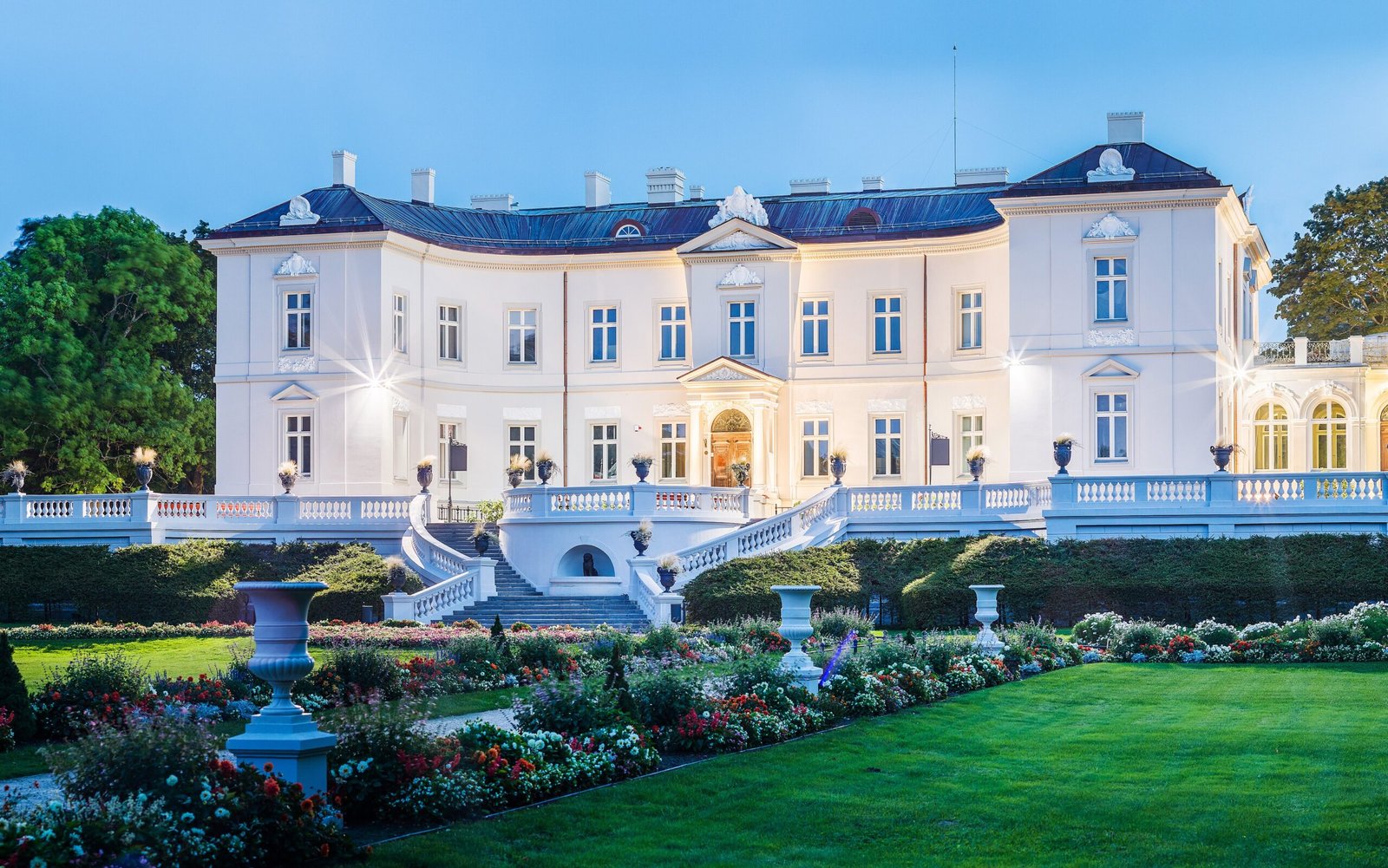
The Palanga Amber Museum occupies the Tiškevičiai Palace, a restored 19th-century mansion overlooking the Palanga Botanical Garden. As a branch of the Lithuanian National Museum of Art, it safeguards one of Europe’s most significant amber collections, displaying over 4,500 specimens spanning ancient fossils to contemporary jewelry and artworks.
History
The museum is housed within the Tiškevičiai Palace, a 19th-century estate. The building’s restoration allowed it to serve as a dedicated repository for Lithuania’s amber heritage, linking the nation’s Baltic maritime identity with its artistic and scientific legacy.
What you see
The palace provides an elegant setting for the amber collection. Visitors encounter fossil specimens alongside crafted jewelry and artwork, creating a dialogue between paleontology and decorative arts. The surrounding Palanga Botanical Garden offers respite and context—the natural world that produced these ancient resins.
Cultural significance
Amber holds profound meaning in Lithuanian culture and Baltic identity. The museum’s collection—approximately 15,000 pieces containing insects, spiders, or plant matter—provides invaluable data for paleontologists studying prehistoric ecosystems. It also showcases amber’s transformation from raw fossil into refined craft, honoring centuries of artisanal tradition.
Key facts
- Location: Palanga, Lithuania
- Coordinates: 55.906944, 21.055833
- Collection size: Approximately 28,000 pieces of amber
- Pieces with inclusions: About 15,000 specimens containing insects, spiders, or plants
- Publicly exhibited: Around 4,500 pieces
- Parent institution: Lithuanian National Museum of Art
Practical information & getting there
The museum stands near the Baltic Sea coast in Palanga, a major seaside resort. It shares grounds with the Palanga Botanical Garden, making a combined visit natural. For opening hours, admission fees, and current exhibitions, consult the museum’s official channels before planning your visit.
Sources & resources
Find it on the map
See this place and what’s around it →📷 Become a Cultural Heritage Online photographer
Share your photos of places: they stay published under your name as the author. The more they're seen, the more you get noticed — and soon a contest will reward the most appreciated photos.
Log in or sign up free to add a photoIs this page about you?
This page is read by travellers and heritage enthusiasts who find it on Google. Tell us how you are connected to this place and we will take it from there.