
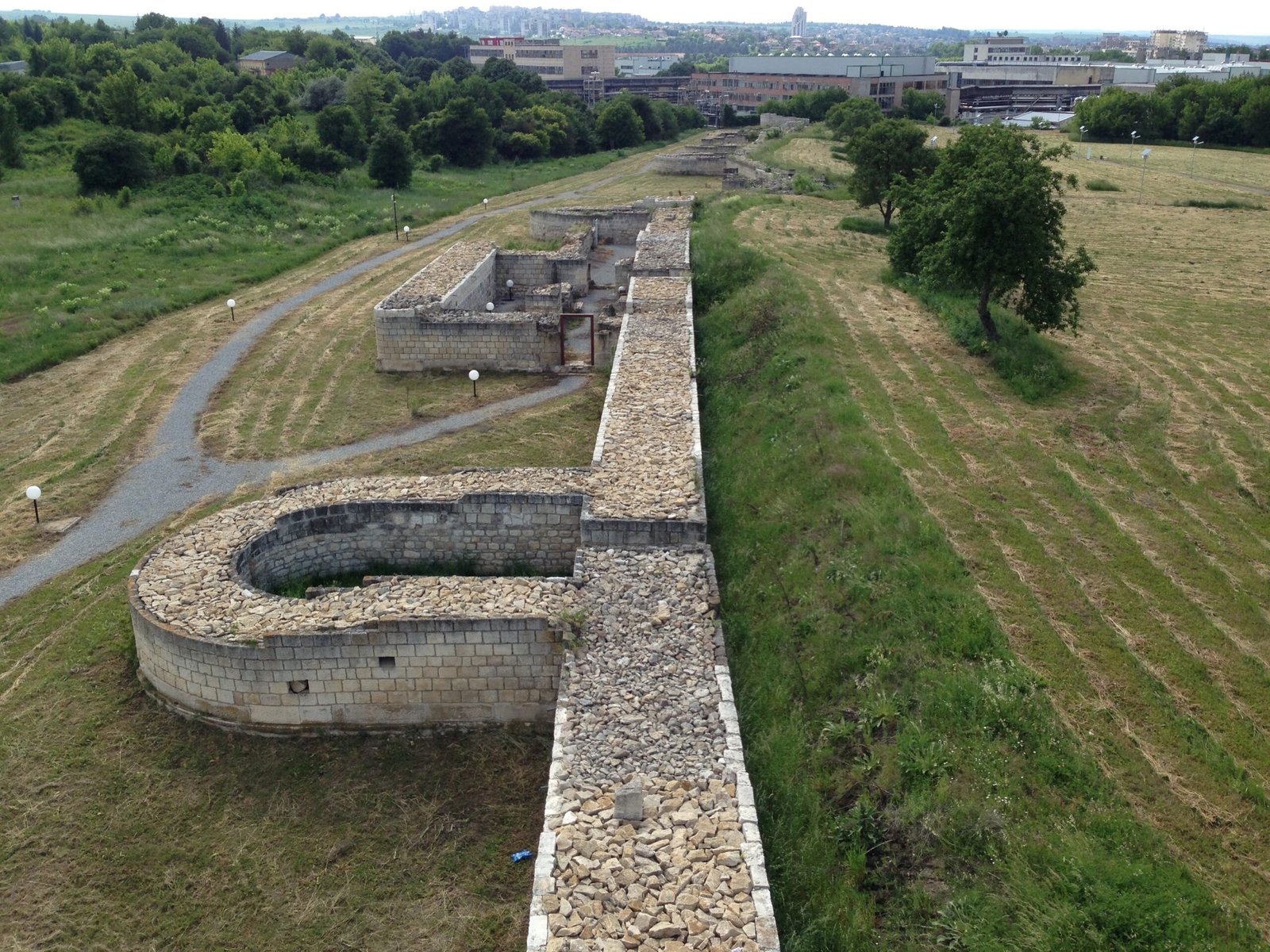
A fortified Roman city that ranked among the largest urban settlements in Moesia Inferior, Abritus commanded the lower Danube frontier. Its substantial ruins survive within an archaeological park.
At a glance
Abritus was one of the most significant walled cities in the Roman province of Moesia Inferior, the region that covered much of modern-day Bulgaria and surrounding territories. The site occupied a strategic position controlling trade and military movement across the lower Danube valley.
History
Abritus emerged as a major urban centre during the Roman period, serving the administrative and defensive needs of Moesia Inferior. The city’s walls protected a thriving population engaged in commerce and civic life along an important provincial frontier. Detailed historical records of specific founding dates and key events remain limited in available sources.
What you see
The archaeological remains reveal the scale and permanence of Roman urban planning. Substantial defensive walls, foundations of public and private structures, and artifacts scattered across the site testify to the city’s former prosperity and importance. The layout and building remains illustrate typical Roman provincial settlement patterns.
Cultural significance
Abritus represents the Roman administrative reach into the Balkans and the organization of frontier defence and settlement. Its status as one of Moesia Inferior’s largest cities underscores the economic and strategic value of the lower Danube region under imperial rule. The site contributes to our understanding of provincial Roman life beyond the Mediterranean heartland.
Key facts
- Country: Bulgaria
- Location: Razgrad (Archaeological Park of Razgrad)
- Coordinates: 43.52°N, 26.55°E
- Roman province: Moesia Inferior
- Status: Major walled urban centre
Practical information & getting there
Abritus is accessed through the Archaeological Park of Razgrad in northeastern Bulgaria. The site is open to visitors interested in Roman provincial archaeology. For current opening hours, admission fees, and detailed visiting information, contact local tourism authorities in Razgrad.
Sources & resources
- Abritus (Wikipedia)
- Cultural Heritage Online
Find it on the map
See this place and what’s around it →📷 Become a Cultural Heritage Online photographer
Share your photos of places: they stay published under your name as the author. The more they're seen, the more you get noticed — and soon a contest will reward the most appreciated photos.
Log in or sign up free to add a photoIs this page about you?
This page is read by travellers and heritage enthusiasts who find it on Google. Tell us how you are connected to this place and we will take it from there.