
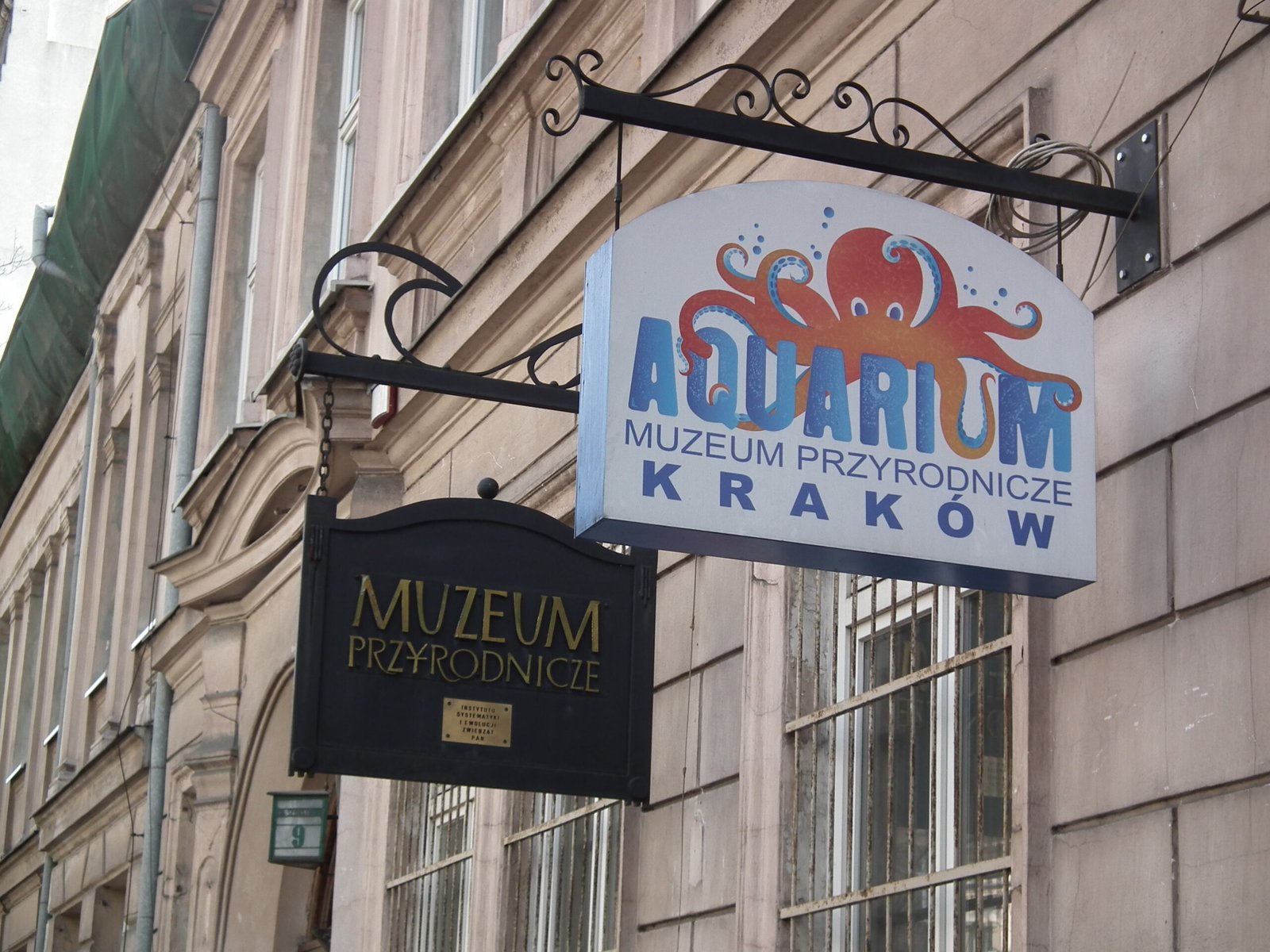
A public museum housing rare natural specimens, including the world’s only completely preserved woolly rhinoceros, extinct for over 12,000 years.
At a glance
The Aquarium and Natural History Museum combines living aquatic exhibits with paleontological treasures in central Kraków. Its most remarkable holding is a crafted, perfectly preserved woolly rhinoceros—the sole complete specimen of this Ice Age animal known to exist.
History
Originally established as the Museum of Natural Science Institute of Systematics and Evolution of Animals PAS, the institution has evolved into a dual-purpose facility serving both contemporary zoology and paleontological research.
What you see
The museum occupies St. Sebastian 9th in Kraków’s city center. Visitors encounter both living aquarium systems and displayed specimens from the natural world, with the woolly rhinoceros serving as the institution’s centerpiece attraction.
Cultural significance
The woolly rhinoceros specimen represents an irreplaceable window into Pleistocene fauna. Its complete preservation makes it an exceptional scientific and educational resource, offering insights into extinct megafauna that roamed northern regions during the last ice age.
Key facts
- Location: St. Sebastian 9th, Kraków, Poland
- Coordinates: 50.0554814, 19.9414552
- Houses the only fully preserved woolly rhinoceros specimen
- Combines aquarium exhibits with natural history collections
Practical information & getting there
The museum is centrally located in Kraków. For current hours, admission prices, and detailed visitor information, consult the museum’s official website or contact them directly.
Sources & resources
Find it on the map
See this place and what’s around it →📷 Become a Cultural Heritage Online photographer
Share your photos of places: they stay published under your name as the author. The more they're seen, the more you get noticed — and soon a contest will reward the most appreciated photos.
Log in or sign up free to add a photoIs this page about you?
This page is read by travellers and heritage enthusiasts who find it on Google. Tell us how you are connected to this place and we will take it from there.