
An imperial palace that served as Japan’s capital for five transformative years, establishing legal and administrative systems that would shape the nation for centuries.
At a glance
Built by Emperor Tenchi during the Asuka period, the Ōmi Ōtsu Palace functioned as Japan’s seat of power from 667 to 672 AD. Located in what is now Ōtsu, Shiga Prefecture, this palace marked a pivotal moment in Japanese governance and institutional development.
History
Emperor Tenchi established the palace as his imperial residence and capital in 667 AD. Though its tenure as the nation’s center of power lasted only five years, the palace became the birthplace of crucial administrative reforms. It was here that the Ōmi Code was promulgated, alongside the introduction of a formal family registry system—innovations that formed the legal and bureaucratic foundations of Japan’s later ritsuryō state, a governance model that would endure for centuries.
What you see
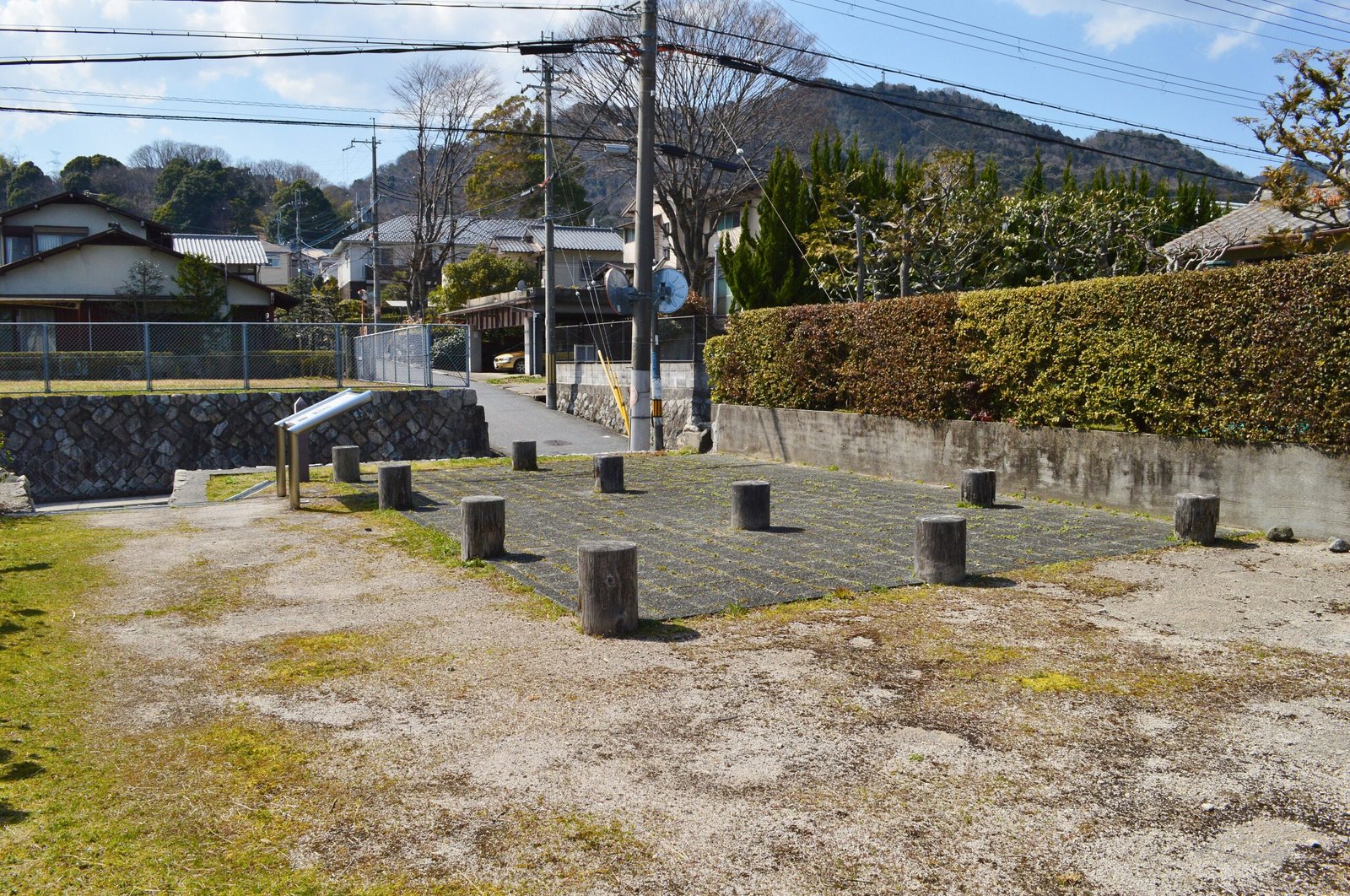
Today, the palace site exists primarily as an archaeological location rather than standing structures. The landscape preserves the physical footprint of this once-vital imperial center, offering visitors tangible connection to Asuka-period Japan.
Cultural significance
The Ōmi Ōtsu Palace represents a watershed moment in Japanese administrative history. The Ōmi Code and registry system introduced here were transformative, establishing precedents that structured Japanese state organization for generations. Though short-lived as a capital, its institutional legacy proved far more enduring than its political tenure.
Key facts
- Country: Japan
- Location: Ōtsu, Shiga Prefecture
- Period: 667–672 AD (five years as capital)
- Founder: Emperor Tenchi
- Designated National Historic Site of Japan: 1979
- Protected area expanded: 2007
- Coordinates: 35.0283°N, 135.8550°E
Practical information & getting there
The palace site is located in Ōtsu, easily accessible from Kyoto and other Kansai-region destinations. As a designated National Historic Site, the grounds are open to visitors. Check local tourism offices for current access details and any interpretive facilities on-site.
Sources & resources
Find it on the map
See this place and what’s around it →📷 Become a Cultural Heritage Online photographer
Share your photos of places: they stay published under your name as the author. The more they're seen, the more you get noticed — and soon a contest will reward the most appreciated photos.
Log in or sign up free to add a photoIs this page about you?
This page is read by travellers and heritage enthusiasts who find it on Google. Tell us how you are connected to this place and we will take it from there.