
Shigaraki Palace
Emperor Shōmu’s short-lived imperial residence, declared the capital of Japan in 744 AD, whose ruins now anchor a National Historic Site in Shiga Prefecture.
At a glance
Shigaraki Palace began as a private villa before Emperor Shōmu elevated it to capital status in 744 AD. The palace stood in Kōka District of Ōmi Province, in what is now Kōka city in Shiga Prefecture. Its archaeological remains were recognized as a National Historic Site in 1974.
History
Emperor Shōmu commissioned the palace initially as a retreat before designating it Japan’s capital in 744 AD. The move represented a significant political gesture during the Nara period, though the capital remained here only briefly before shifting again. The site fell into ruin over subsequent centuries, leaving only traces of its former imperial grandeur.
What you see
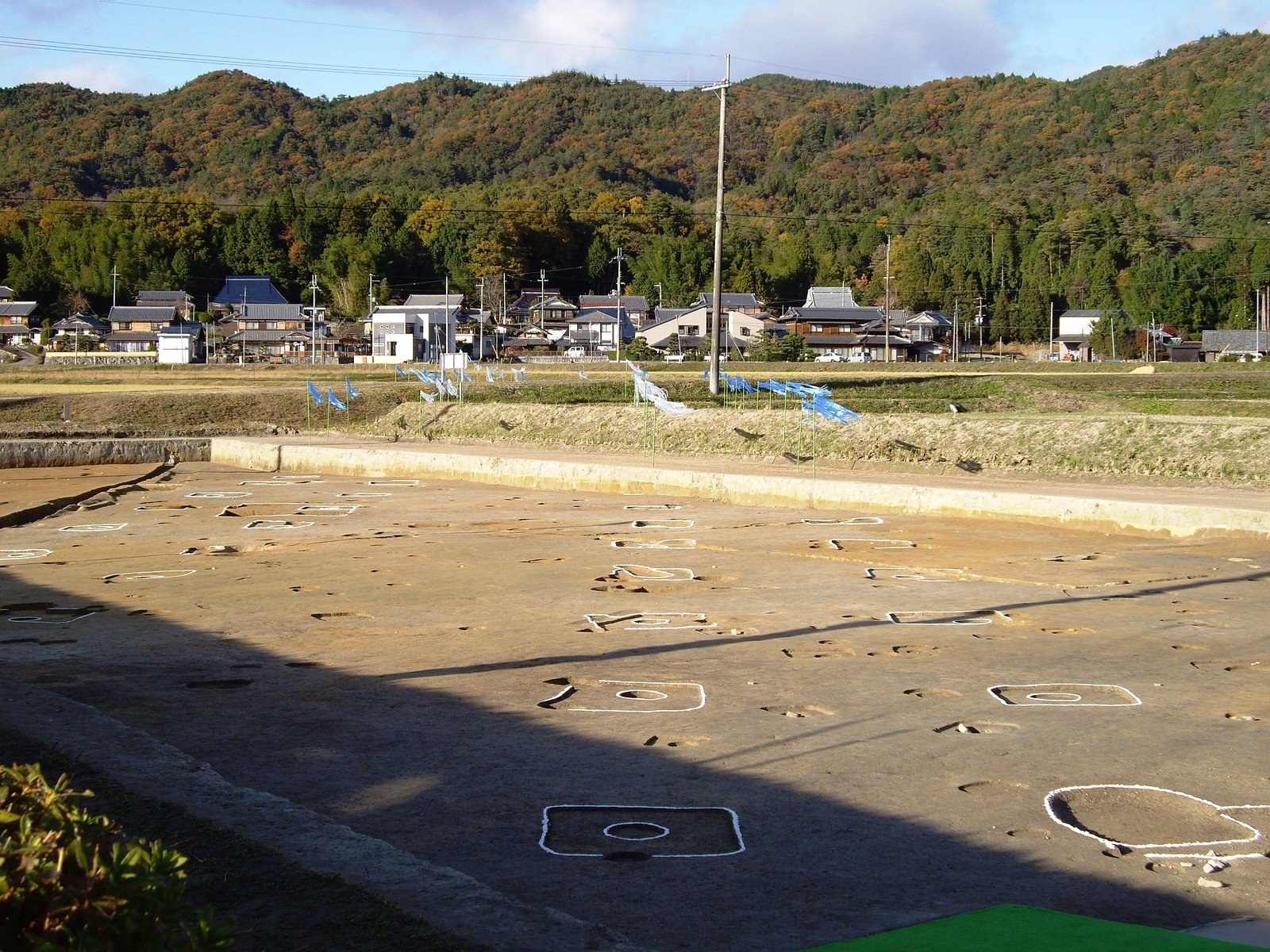
Today visitors encounter the archaeological remains of an imperial compound rather than standing structures. The site preserves evidence of the palace’s layout and scale through excavated foundations and artifacts.
Cultural significance
Shigaraki Palace represents a pivotal moment in Japanese political history—the deliberate repositioning of imperial power during the Nara period. Its brief tenure as capital reflects the fluidity and ambition of eighth-century court politics, while its ruins serve as a physical link to Emperor Shōmu’s reign and administrative strategies.
Key facts
- Country: Japan
- Region: Kōka, Shiga Prefecture
- Designated National Historic Site: 1974
- Coordinates: 34.93472222, 136.08444444
- Also known as Kōka Palace (甲賀宮)
Practical information & getting there
The site is accessible to visitors as a National Historic Site. For current opening hours, access conditions, and nearby facilities, consult local Kōka city tourism resources or the Japan National Tourism Organization.
Sources & resources
Find it on the map
See this place and what’s around it →📷 Diventa un fotografo di Cultural Heritage Online
Condividi le tue foto dei luoghi: restano pubblicate con la tua firma come autore. Più vengono viste, più ti fai conoscere — e presto un concorso premierà le foto più apprezzate.
Accedi o registrati gratis per aggiungere una fotoDo you manage this place?
This page is read by travellers and heritage enthusiasts who find it on Google. Keep it accurate — and make it work for you. Free for non-profit heritage institutions.