
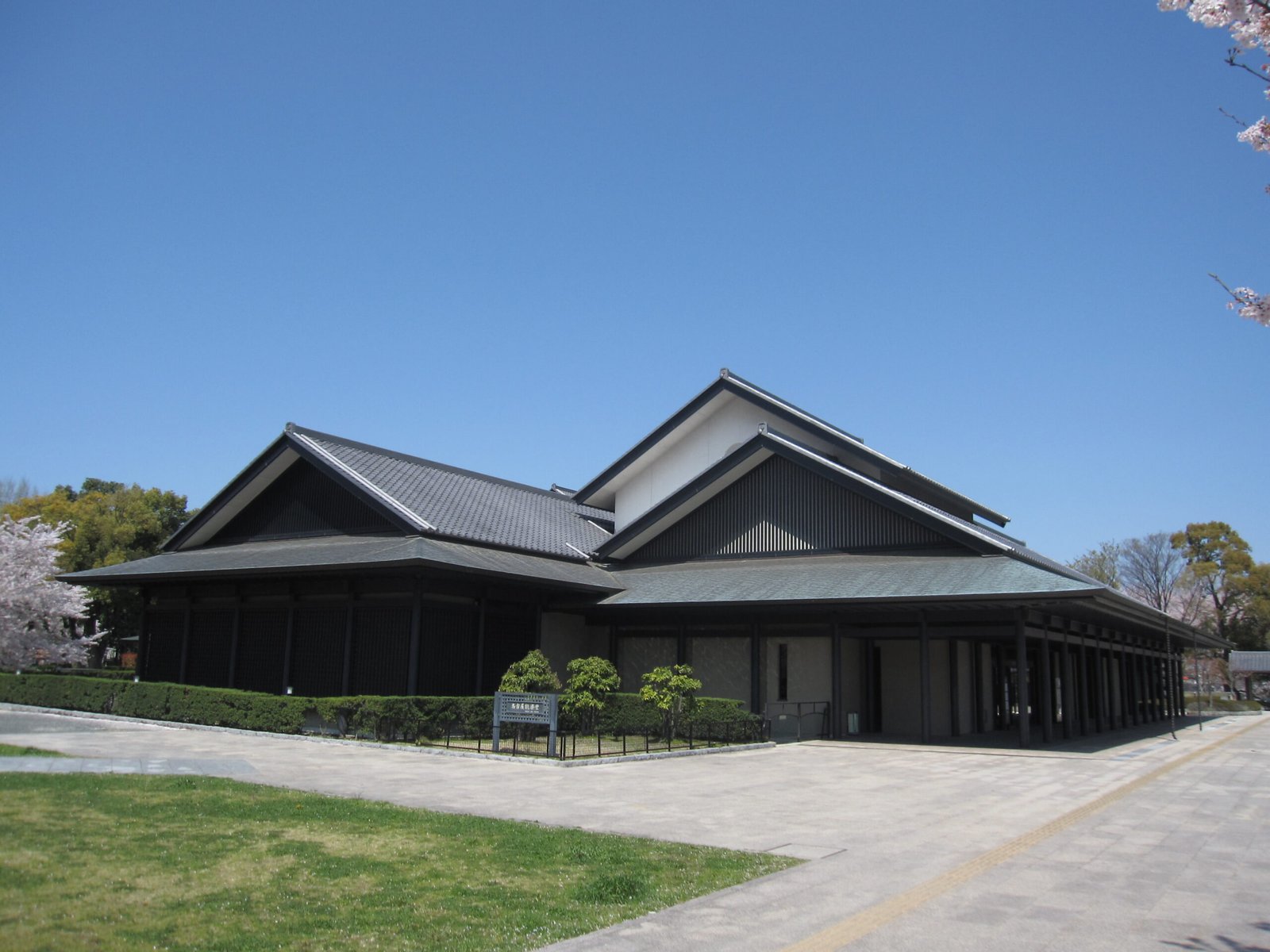
A dedicated venue for noh, Japan’s classical masked drama tradition, located in the heart of central Japan’s largest city.
At a glance
The Nagoya Noh Theater is a performance space built expressly for noh drama, one of Japan’s most refined and ancient theatrical arts. Noh combines stylized movement, poetic language, and elaborate masks to create an immersive aesthetic experience rooted in centuries of tradition.
History
Details about the theater’s founding and development are not available from standard sources. The venue stands as a modern institutional commitment to preserving and presenting classical noh performance.
What you see
The theater is purpose-built for noh drama, meaning its design accommodates the specific spatial and acoustic requirements of this classical form. Noh performances traditionally utilize a raised platform stage, a bridge entrance, and an uncluttered playing space that allows the audience to focus on the subtle, controlled movements of masked performers.
Cultural significance
Noh is a UNESCO-recognized intangible cultural heritage of humanity. The Nagoya Noh Theater serves as a vital cultural institution in preserving, teaching, and presenting this ancient dramatic tradition to contemporary audiences. It functions as both a performance venue and a center for the study and transmission of noh arts.
Key facts
- Country: Japan
- City: Nagoya
- Coordinates: 35.19052222, 136.90370833
Practical information & getting there
The theater is centrally located in Nagoya. You can reach it by public transport from Nagoya Station. Check the venue’s schedule directly for current noh performances and admission details.
Sources & resources
Find it on the map
See this place and what’s around it →📷 Become a Cultural Heritage Online photographer
Share your photos of places: they stay published under your name as the author. The more they're seen, the more you get noticed — and soon a contest will reward the most appreciated photos.
Log in or sign up free to add a photoIs this page about you?
This page is read by travellers and heritage enthusiasts who find it on Google. Tell us how you are connected to this place and we will take it from there.