
The world’s oldest Romani theatre grew from Moscow’s Gypsy choruses into a stage that has carried Romani language, song and story into the heart of Russian culture for nearly a century.
At a glance
Romen Theatre opened in Moscow in 1931 as a small studio and became the enduring institutional home of Romani performing arts in Russia. It is not a museum piece. Actors, singers and musicians still work there today, continuing a repertoire rooted in music-drama and dance rather than spoken theatre alone.
History
The theatre’s roots reach back further than its founding date. Ruska Roma choruses were already performing in Moscow and Saint Petersburg through the 18th and 19th centuries. Conductor Nikolai Shishkin assembled the first true Romani theatre troupe in the 1880s, staging Gypsy Songs in Characters at the Arcadia Theatre in 1886 and, the following year, playing Roma roles in Strauss’s The Gypsy Baron at the Maly Theatre. In 1888 his troupe premiered Children of the Forests, the first operetta performed entirely in the Romani language; it ran for eighteen years. By the 1920s, Romani ensembles were performing widely across the young Soviet Union. That momentum led to the studio “Indo-Romen,” opened on 24 January 1931, led by Jewish theatre activists Moishe Goldblat and composer Semen Bugachevsky, with Alexander Tyshler frequently designing sets. Within a month it staged its first work. On 16 December 1931, after presenting the three-act Life on Wheels, based on a play by Romani writer Alexandr Germano, the studio took the name Romen Theatre. Georgy Lebedev, a Rusko Rom, became its first director. Performances shifted to Russian in 1940.
What you see
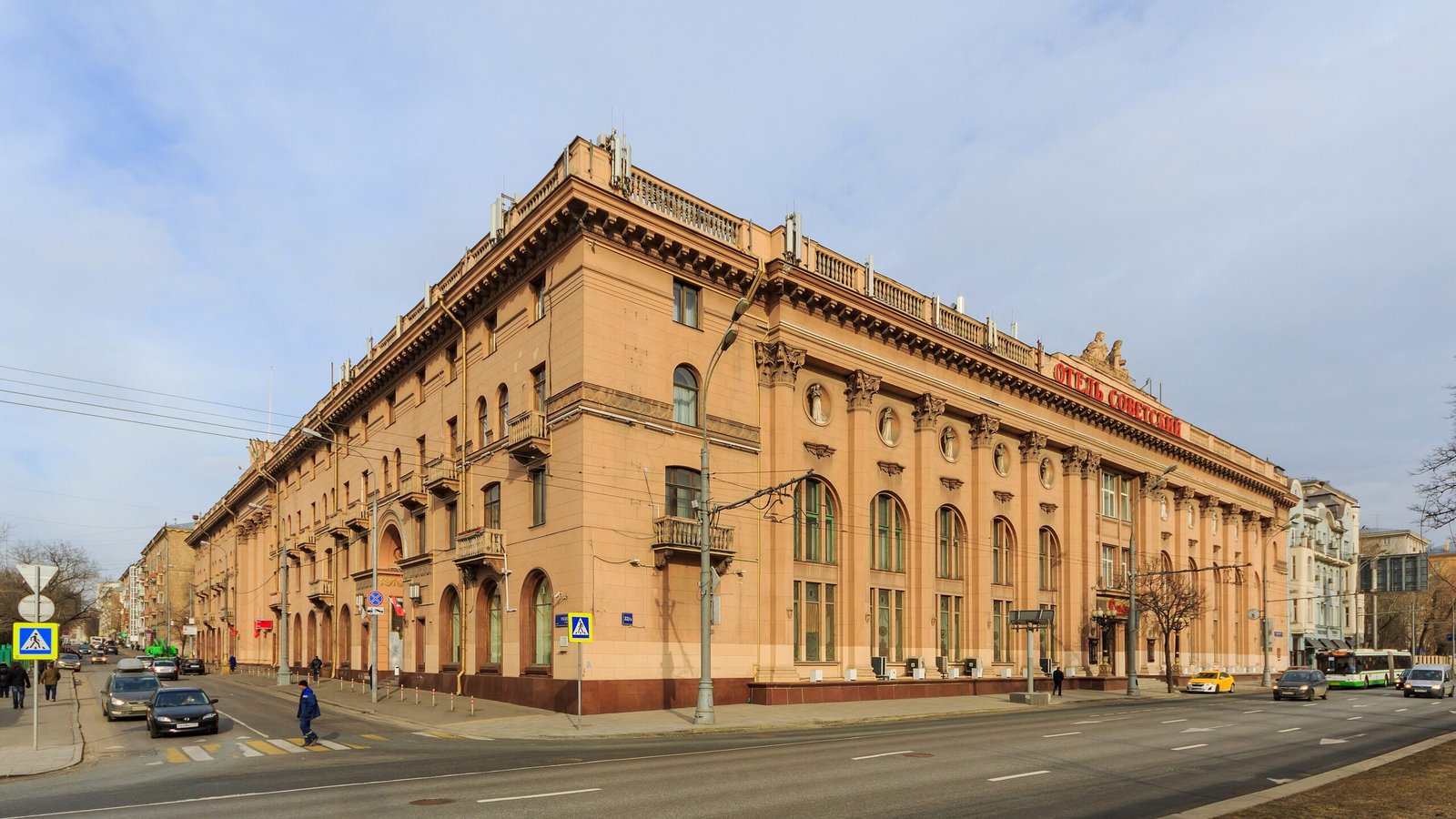
Visitors encounter a working repertory theatre rather than a monument frozen in time. Wikidata records the building’s architect as Adolf Erichson, though the surviving article focuses on the company’s stagecraft rather than its walls. Early productions leaned on Tyshler’s stage design, bringing painterly color to depictions of Romani encampments and wandering life. The name Life on Wheels, the studio’s breakthrough piece, hints at the itinerant world the company sought to bring indoors.
Cultural significance
Romen Theatre remains a touchstone of Romani identity in Russia. It has drawn generations of Romani artists, among them guitarist and composer Sasha Kolpakov, singer Valentina Ponomaryova, writer Nina Dudarova, and long-serving actor and later director Nikolai Slichenko. Its early leadership, Jewish and Romani artists working side by side under Soviet cultural policy, reflects the tangled politics that first gave Romani performance a formal stage. Few institutions anywhere have sustained a minority theatrical tradition this long.
Key facts
- Location: Moscow, Russia
- Founded: 1931, as the studio “Indo-Romen”
- First director: Georgy Lebedev
- Architect (building): Adolf Erichson, per Wikidata
- Language of performance: Romani until 1940, Russian thereafter
- Notable figures: Sasha Kolpakov, Valentina Ponomaryova, Nikolai Slichenko, Nina Dudarova
Practical information & getting there
The theatre sits within central Moscow, at coordinates roughly 55.785°N, 37.569°E. Check the official website before travelling, as it lists the current schedule in Russian. Performances are staged in Russian, so non-Russian speakers may want to arrange translation in advance.
Sources & resources
Find it on the map
See this place and what’s around it →📷 Become a Cultural Heritage Online photographer
Share your photos of places: they stay published under your name as the author. The more they're seen, the more you get noticed — and soon a contest will reward the most appreciated photos.
Log in or sign up free to add a photoIs this page about you?
This page is read by travellers and heritage enthusiasts who find it on Google. Tell us how you are connected to this place and we will take it from there.