

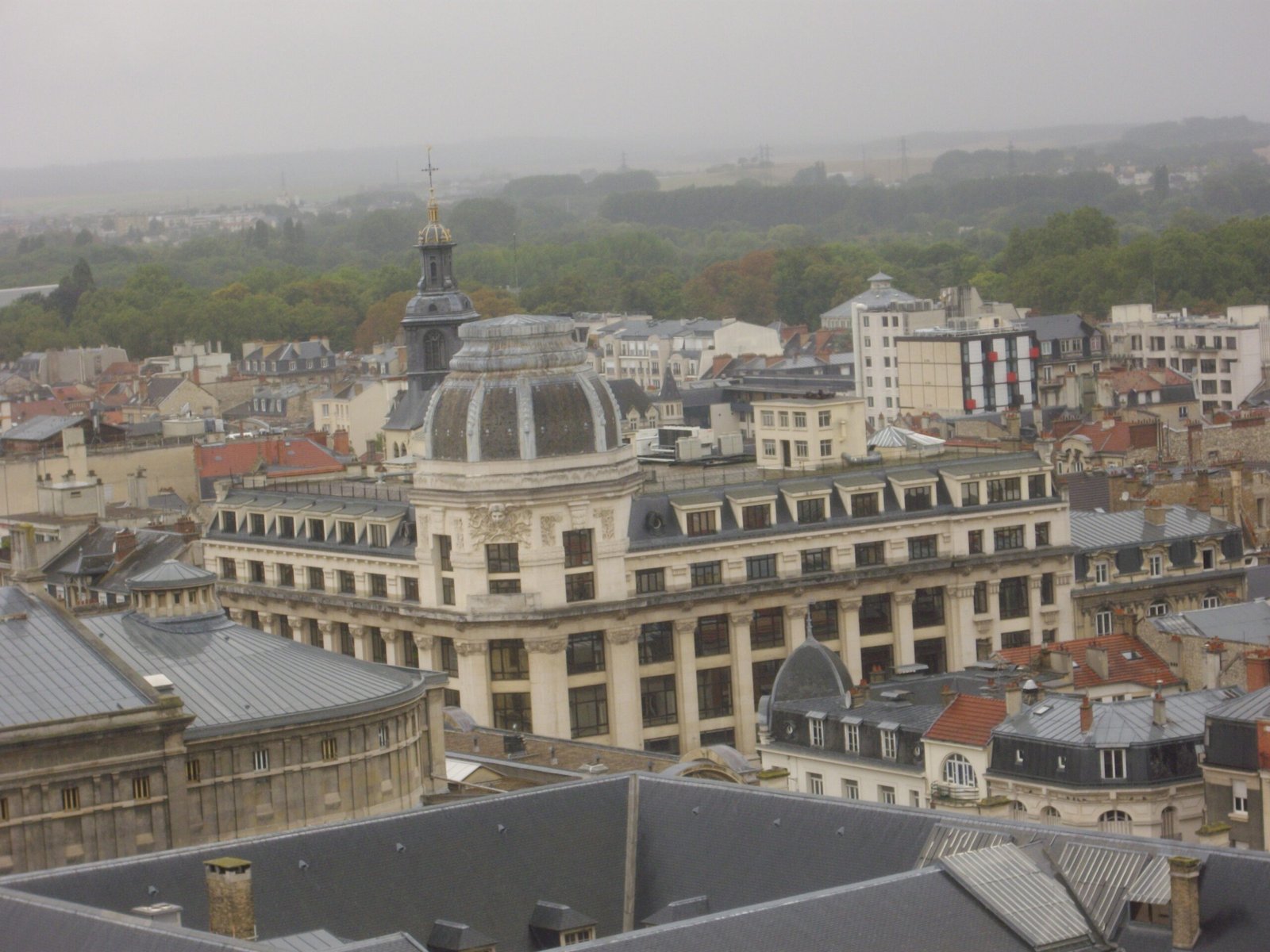
An Art Deco masterpiece built as the flagship headquarters and showroom for Docks Rémois department stores, this elegant structure reflects the commercial ambitions of early twentieth-century Reims.
At a glance
The Familistère of Reims stands as a defining example of Art Deco commercial architecture in northern France. Originally conceived as the nerve centre of a major retail empire, the building has adapted over a century to serve education, journalism, and contemporary commerce.
History
Construction took place from 1925 to 1927, positioning the building at the height of the Art Deco movement. It initially functioned as headquarters, permanent exhibition space, and flagship store for Docks Rémois. In 1928, barely a year after completion, the Reims Management School established itself within its walls. Subsequently, the newspaper L’Union made it their headquarters. A Monoprix store relocated to the building in 1978, beginning a new retail chapter.
What you see
The building exemplifies Art Deco design principles: geometric forms, refined ornamentation, and a modernist sensibility applied to commercial purpose. Its façade and interior spaces reflect the style’s emphasis on elegant functionality and visual harmony.
Cultural significance
The Familistère represents a pivotal moment in Reims’ twentieth-century development, when the city’s commercial sector embraced modern architectural expression. Its succession of institutional and retail tenants reflects broader shifts in French urban life, from department store culture through media and professional education to contemporary mixed-use occupation.
Key facts
- Location: Reims, France
- Coordinates: 49.2542, 4.03
- Construction dates: 1925–1927
- Architectural style: Art Deco
- Original use: Department store headquarters and showroom
Practical information & getting there
The building remains active as a commercial and office space in central Reims. The street-level Monoprix store is accessible to the public. For visiting, approach via the city centre; Reims is well connected by rail and road to Paris and other northern French cities.
Sources & resources
Find it on the map
See this place and what’s around it →📷 Become a Cultural Heritage Online photographer
Share your photos of places: they stay published under your name as the author. The more they're seen, the more you get noticed — and soon a contest will reward the most appreciated photos.
Log in or sign up free to add a photoIs this page about you?
This page is read by travellers and heritage enthusiasts who find it on Google. Tell us how you are connected to this place and we will take it from there.