
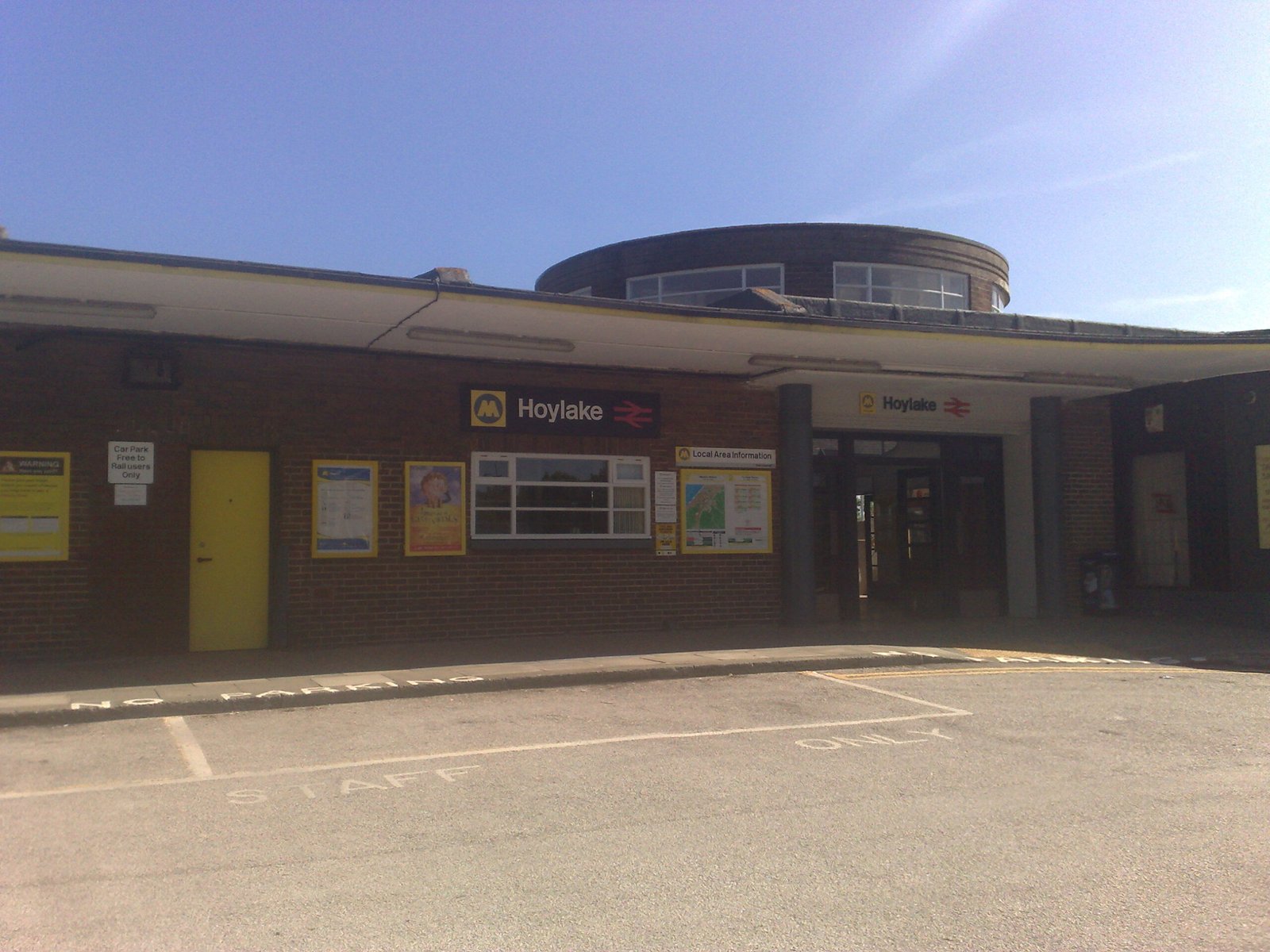
A modest suburban station serving the Wirral coast, Hoylake railway station connects this seaside town to the wider Merseyside transport network through the historic Wirral Line.
At a glance
Hoylake railway station is a working transport hub on the West Kirby branch of the Wirral Line, part of the Merseyrail network. It provides rail access to the town of Hoylake on the Merseyside peninsula.
History
The station serves as part of the established Wirral Line infrastructure, which has long connected communities across the Merseyside region. Hoylake itself developed as a Victorian seaside destination, and the railway station became integral to its growth and accessibility.
What you see
The station represents typical suburban British railway architecture. Like many stations on the Wirral Line, it features modest platform facilities designed for efficient local passenger movement.
Cultural significance
Hoylake railway station embodies the practical heritage of Victorian transport expansion into suburban and coastal communities. The Wirral Line itself remains an important cultural artifact, reflecting mid-twentieth-century urban planning and the role of railways in shaping settlement patterns across Merseyside.
Key facts
- Country: United Kingdom
- City: Hoylake, Merseyside
- Line: West Kirby branch, Wirral Line (Merseyrail)
- Coordinates: 53.39°N, 3.179°W
Practical information & getting there
Hoylake railway station is accessible via the Wirral Line. The station serves local commuters and visitors to the Hoylake area. For current timetables, fares, and accessibility information, consult Merseyrail’s official website or journey planning services.
Sources & resources
Find it on the map
See this place and what’s around it →📷 Become a Cultural Heritage Online photographer
Share your photos of places: they stay published under your name as the author. The more they're seen, the more you get noticed — and soon a contest will reward the most appreciated photos.
Log in or sign up free to add a photoIs this page about you?
This page is read by travellers and heritage enthusiasts who find it on Google. Tell us how you are connected to this place and we will take it from there.