
Girolamo Rossi Civic Archaeological Museum – Fortress of the Annunziata
The Girolamo Rossi Civic Archaeological Museum is housed inside the medieval Fortress of the Annunziata in Ventimiglia, on the Ligurian Riviera near the French border. Named after the 19th-century scholar Girolamo Rossi who pioneered the study of local antiquities, the museum presents finds from the Roman city of Albintimilium and from the prehistoric and medieval occupation of the Roia valley.
At a glance
- Type
- Civic archaeological museum inside a medieval fortress
- Period
- Fortress: medieval; collections span prehistoric to medieval eras
- Style
- Medieval military architecture; museum fit-out 20th century
- Location
- Fortezza dell’Annunziata, Ventimiglia, Province of Imperia, Liguria, Italy
- Coordinates
- 43.7904° N, 7.5956° E
Overview
Ventimiglia sits at the westernmost tip of the Italian Riviera, separated from France only by the Roia River, and its archaeological record reflects millennia of habitation at this strategic coastal crossing. The museum within the Fortezza dell’Annunziata gathers evidence from the Ligurian tribes, the Roman colony of Albintimilium, and the subsequent medieval phases of the town. It serves as the principal repository for antiquities excavated in the Ventimiglia area since the 19th century.
History
The fortress structure dates to the medieval period, when the elevated promontory of Ventimiglia Alta was fortified to command the coastal approach. The museum owes its foundation largely to Girolamo Rossi (1831–1898), local historian and archaeologist whose excavations at the Roman theatre of Albintimilium and along the Via Julia Augusta generated the core collection. Finds were systematically assembled during the 20th century into a coherent display, and the institution was formally dedicated to Rossi in recognition of his foundational role.
What you see
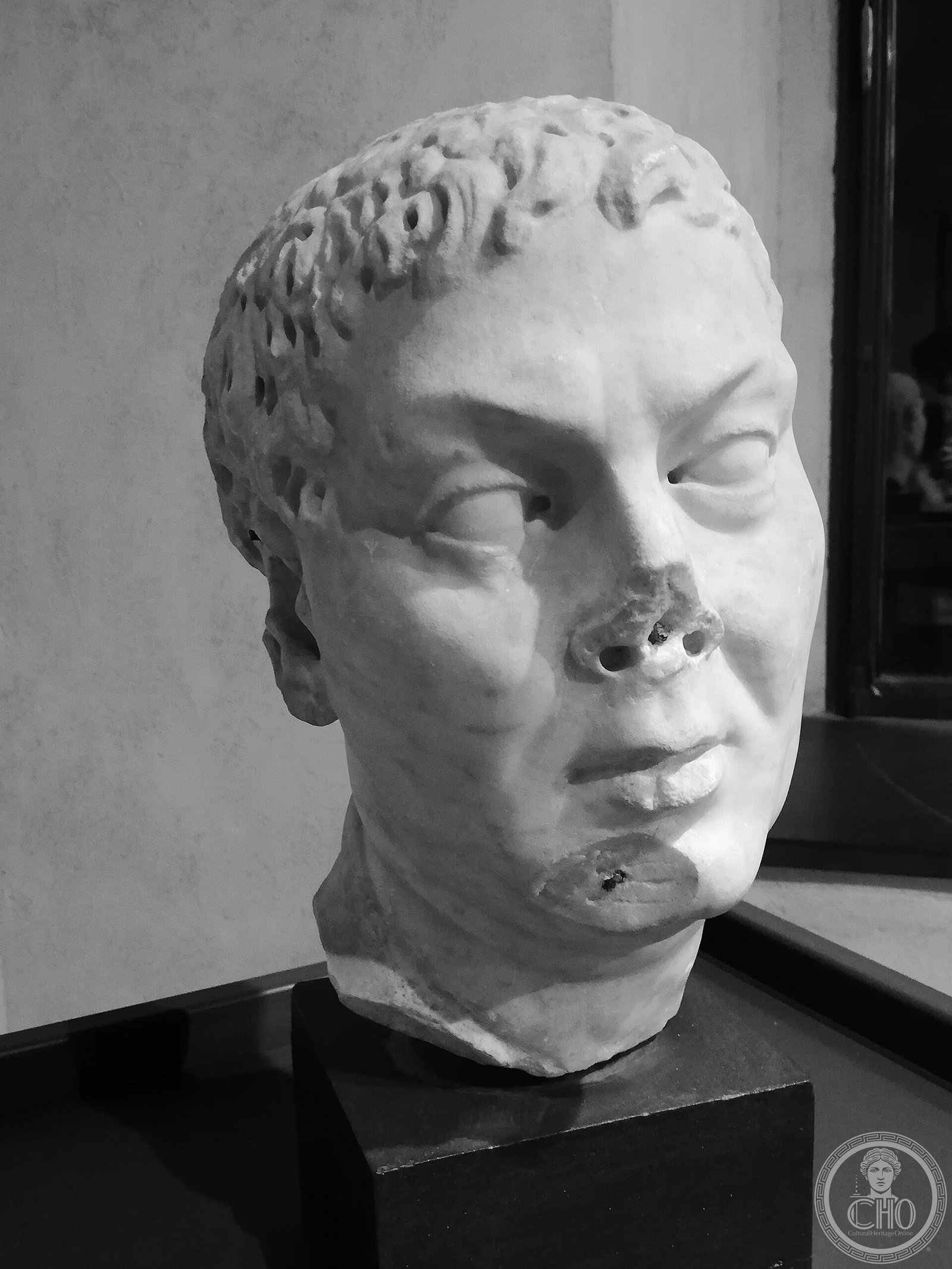
The collections span prehistoric lithic tools, Iron Age Ligurian objects, and an extensive Roman section featuring sculpture, inscriptions, glass, ceramics, and everyday objects recovered from Albintimilium — whose excavated Roman theatre lies just below in the lower town. Medieval artefacts complete the sequence, illustrating continuity of settlement across the Roia valley. The fortress architecture itself, with its solid masonry and panoramic position above Ventimiglia Alta, is an attraction in its own right.
Cultural significance
As the custodian of Albintimilium’s material legacy, the Girolamo Rossi Museum is indispensable for understanding Roman Liguria and the ancient road corridor linking Italy to Gaul. It also preserves evidence of Ligurian tribal culture that predates Roman conquest, giving the institution a range unusual among smaller provincial museums.
Practical information
The museum is located in Ventimiglia Alta (the medieval upper town). Opening hours vary seasonally; check the official website of the Comune di Ventimiglia or contact the museum directly before visiting. Admission fees apply; reduced rates typically available for students and seniors.
Getting there
Ventimiglia is served by regional trains on the Genoa–Nice line; the station is in the lower town, approximately 15 minutes on foot or by local bus to Ventimiglia Alta. By car, take the A10 motorway to the Ventimiglia exit and follow signs for Ventimiglia Alta. Parking is limited in the historic upper town.
Sources and resources
Find it on the map
See this place and what’s around it →📷 Diventa un fotografo di Cultural Heritage Online
Condividi le tue foto dei luoghi: restano pubblicate con la tua firma come autore. Più vengono viste, più ti fai conoscere — e presto un concorso premierà le foto più apprezzate.
Accedi o registrati gratis per aggiungere una fotoDo you manage this place?
This page is read by travellers and heritage enthusiasts who find it on Google. Keep it accurate — and make it work for you. Free for non-profit heritage institutions.