
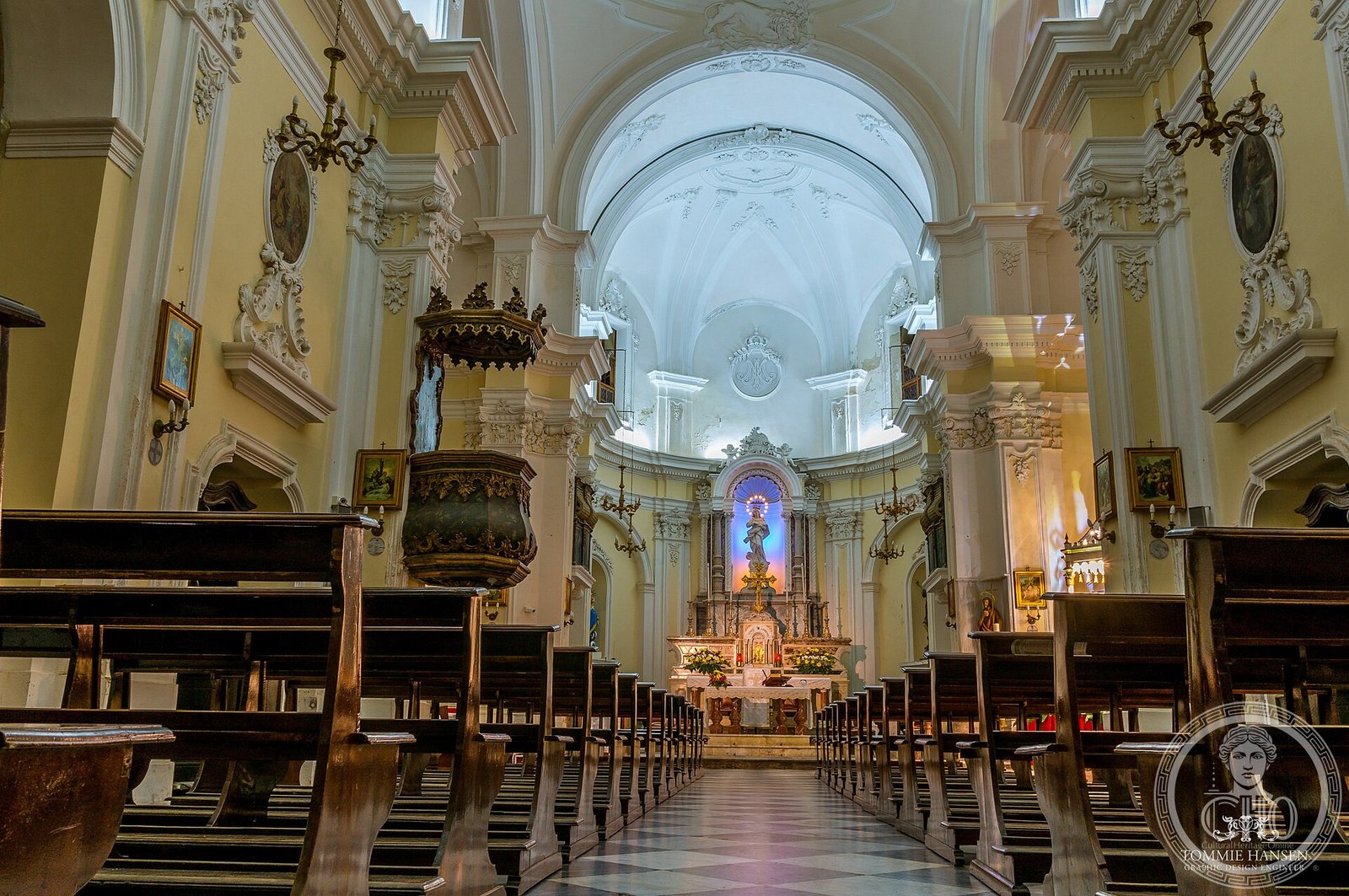
Favignana is the largest of the Egadi Islands, an archipelago off the western tip of Sicily in the Mediterranean Sea. Known for its crystal-clear turquoise waters, ancient tuna fisheries, and a historic 19th-century fortified palace, the island blends natural beauty with layers of Phoenician, Roman, Arab, and Norman history. Its former industrial tuna processing plant, the Stabilimento Florio, has been converted into a museum documenting the once-thriving mattanza fishing tradition.
At a glance
- Type
- Island / Natural and cultural heritage site
- Period
- Inhabited since prehistoric times; significant Phoenician and Roman presence; Norman fortification from 11th century
- Style
- Mediterranean island landscape; industrial heritage (19th-century tuna processing)
- Location
- Egadi Islands, Province of Trapani, Sicily, Italy
- Coordinates
- 37.9317° N, 12.3289° E
Overview
Favignana, covering approximately 19.8 square kilometres, is the most populous and accessible of the Egadi Islands, connected by regular ferry from Trapani. Its name derives from the Arabic word for “favourable wind,” reflecting its strategic maritime position. The island is part of a Marine Protected Area established in 1991, safeguarding exceptional seabed ecosystems and the surrounding crystal waters.
History
The waters off Favignana witnessed one of antiquity’s decisive naval engagements: the Battle of the Egadi Islands in 241 BC, where Rome defeated Carthage to end the First Punic War, establishing Roman dominance over Sicily. The island was later held by Arabs, then Normans under Roger I, who built a fortified residence later expanded into the Castel di Santa Caterina. From the 19th century until 1977, Favignana was the centre of a major bluefin tuna industry under the Florio family, whose elaborate mattanza technique involved organised communal hunts in fixed net enclosures.
What you see
The island’s coastline alternates between sandy beaches, rocky coves, and former tuff quarries now filled with seawater, creating natural swimming pools unique in the Mediterranean. The Stabilimento Florio, a grand 19th-century tuna factory built in Moorish Revival style, dominates the harbour waterfront and now houses the Museo del Mare. Above the main village rises Castel di Santa Caterina, a Norman-era fortress used as a political prison well into the 20th century, offering panoramic views of the archipelago. The town centre preserves a Bourbon-era grid of low whitewashed buildings centred on the main square.
Cultural significance
Favignana holds exceptional documentary value as the site of the ancient Battle of the Egadi Islands, confirmed by the discovery of bronze warship rams on the seabed (now a UNESCO candidate heritage site). The mattanza tuna fishing tradition, though commercially extinct since the early 2000s, is preserved through the Florio Museum and constitutes a rare example of pre-industrial collective maritime knowledge in the Mediterranean.
Practical information
- Address
- Piazza Madrice, 91023 Favignana TP, Italy
- Museo del Mare (Stabilimento Florio)
- Open seasonally; check official website for current hours
- Castel di Santa Caterina
- Open for visits; check official website for hours
- Access
- Ferry and hydrofoil services from Trapani port (approx. 30–60 minutes)
Getting there
Ferries and hydrofoils depart from Trapani’s ferry terminal (Molo di Tramontana) year-round, with increased frequency in summer. The nearest mainland airports are Trapani Birgi (20 km) and Palermo Falcone Borsellino (100 km). On the island, bicycles and golf carts are the standard mode of transport; car access is restricted for non-residents during summer months.
Sources & resources
Find it on the map
See this place and what’s around it →📷 Become a Cultural Heritage Online photographer
Share your photos of places: they stay published under your name as the author. The more they're seen, the more you get noticed — and soon a contest will reward the most appreciated photos.
Log in or sign up free to add a photo