
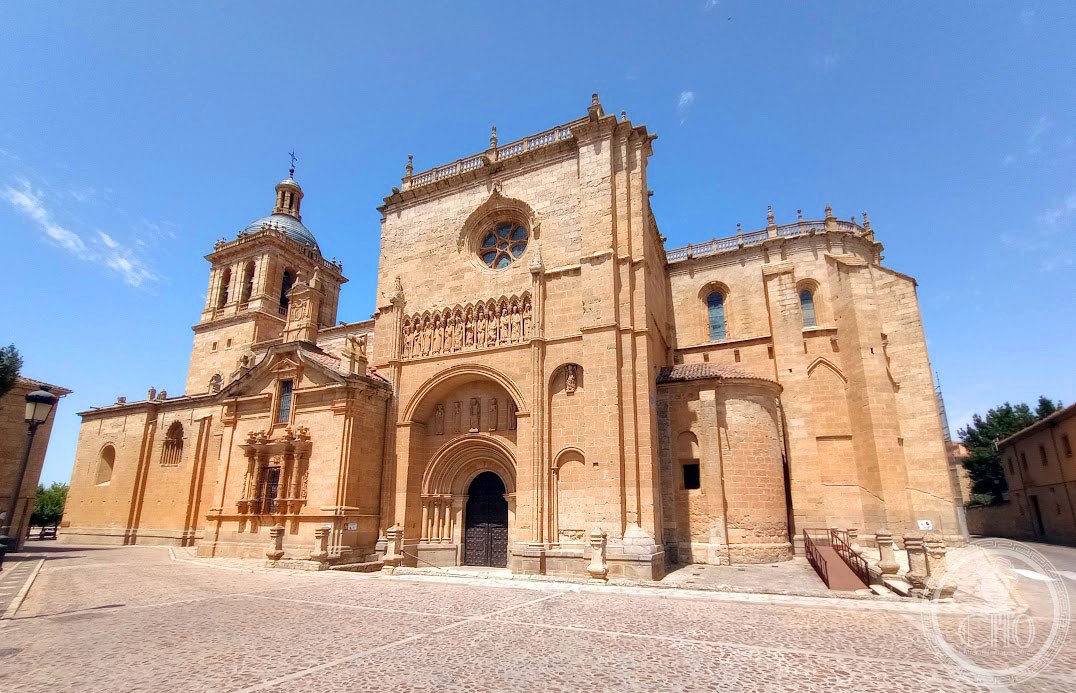
A Roman Catholic cathedral in western Spain that served as a vital musical center during the Renaissance, fostering composers of enduring significance.
At a glance
The Cathedral of Saint Mary stands in Ciudad Rodrigo, a fortress town near the Portuguese border. Its role in Renaissance music history extends far beyond its walls, through the work of two master musicians who shaped the era’s sacred repertory.
History
The cathedral earned recognition as a Bien de Interés Cultural (Cultural Heritage Property) on 15 September 1889. Its significance to Spanish musical tradition reflects centuries of liturgical and artistic practice within its community.
What you see
Detailed architectural information about the cathedral’s structure and style is not currently available.
Cultural significance
The cathedral is most renowned for its connection to Renaissance music. Juan Navarro Hispalensis, a major figure in sixteenth-century sacred composition, served as choirmaster here—his polyphonic works influenced Spanish and European liturgical traditions. His student, Juan Esquivel Barahona, also held the position of choirmaster at the cathedral and went on to become a celebrated composer in his own right.
Key facts
- Country: Spain
- City: Ciudad Rodrigo
- Coordinates: 40.5989, -6.5351
- Protected status: Bien de Interés Cultural (declared 15 September 1889)
Practical information & getting there
Ciudad Rodrigo is located in Salamanca province near the Spanish-Portuguese frontier. Consult local tourism resources for current opening hours and visitor information.
Sources & resources
Find it on the map
See this place and what’s around it →📷 Become a Cultural Heritage Online photographer
Share your photos of places: they stay published under your name as the author. The more they're seen, the more you get noticed — and soon a contest will reward the most appreciated photos.
Log in or sign up free to add a photoIs this page about you?
This page is read by travellers and heritage enthusiasts who find it on Google. Tell us how you are connected to this place and we will take it from there.