
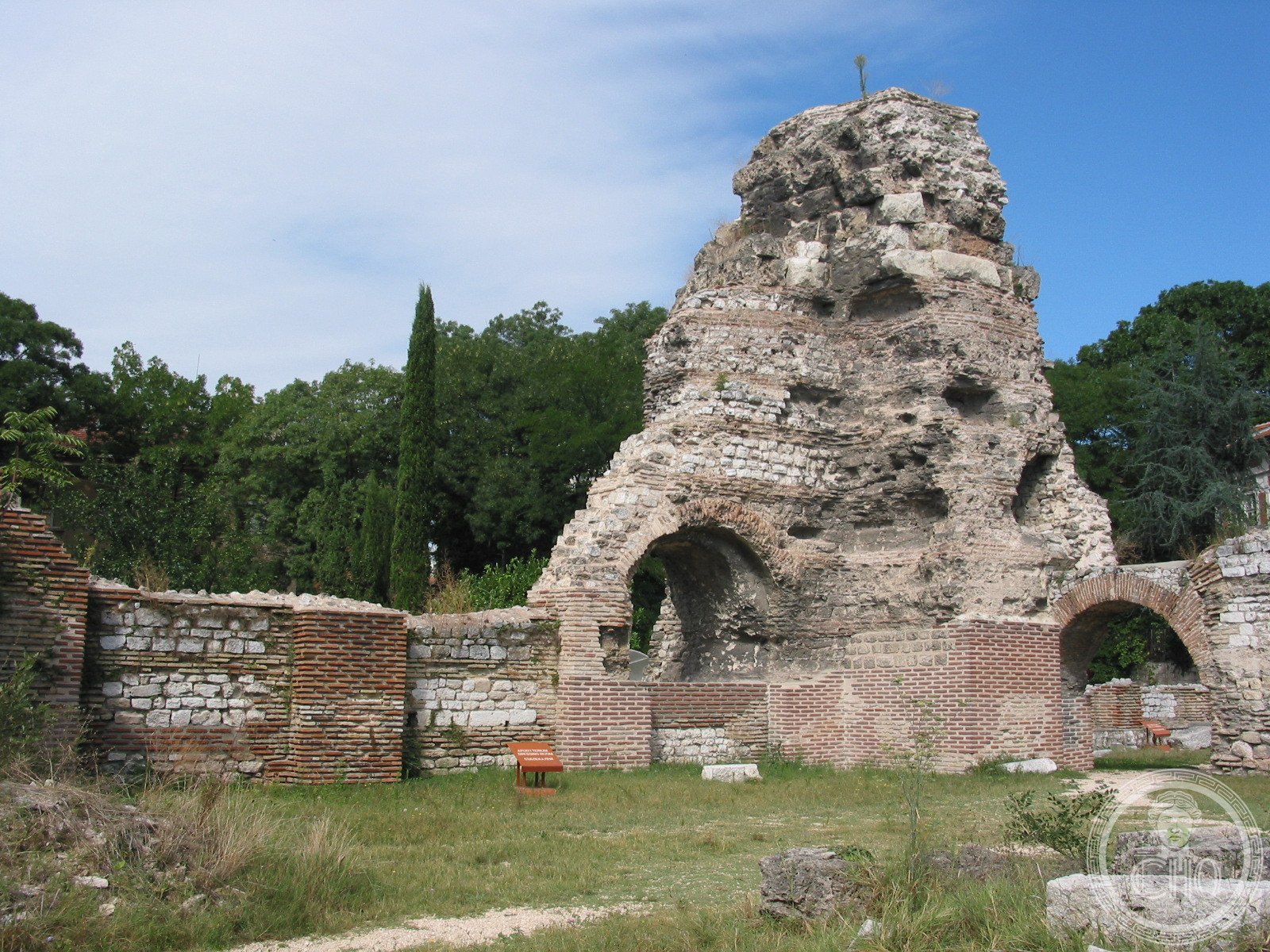
One of Europe’s largest surviving Roman bath complexes anchors the ancient port city of Odessus on Bulgaria’s Black Sea coast.
At a glance
The Roman Thermae stand as a monumental testament to Roman engineering and civic life. Built in the late 2nd century AD, this bathing complex ranks as Europe’s fourth-largest preserved thermae and the largest in the Balkans. The baths occupy the southeastern quarter of modern Varna, once the thriving Roman port of Odessus.
History
Odessus thrived as a key trading hub along the Black Sea during the Roman period. The construction of these grand public baths in the late 2nd century AD reflects the city’s prosperity and the Roman commitment to urban amenities. The thermae would have served thousands of citizens, embodying Roman values of communal bathing and social gathering that defined imperial urban culture.
What you see
The surviving remains reveal the sophisticated infrastructure of a major Roman bathing facility. The complex demonstrates the engineering expertise required to heat, distribute, and manage water across multiple chambers—a hallmark of Roman thermae design. Its scale places it among Europe’s most ambitious examples of this building type.
Cultural significance
These baths represent the highest achievements of Roman provincial architecture and urban planning. They illuminate the cosmopolitan character of Odessus and the reach of Roman civilization into the eastern Mediterranean. The thermae remain a vital archaeological window into daily life, leisure, and the material culture of the Roman Balkans.
Key facts
- Country: Bulgaria
- City: Varna (ancient Odessus)
- Date: Late 2nd century AD
- Coordinates: 43.20°N, 27.92°E
- Significance: Fourth-largest preserved Roman thermae in Europe; largest in the Balkans
Practical information & getting there
The Roman Thermae are located in the southeastern part of Varna. Further details on hours, admission, and current access conditions should be verified with local tourism authorities or the site directly.
Sources & resources
Find it on the map
See this place and what’s around it →📷 Become a Cultural Heritage Online photographer
Share your photos of places: they stay published under your name as the author. The more they're seen, the more you get noticed — and soon a contest will reward the most appreciated photos.
Log in or sign up free to add a photoIs this page about you?
This page is read by travellers and heritage enthusiasts who find it on Google. Tell us how you are connected to this place and we will take it from there.