
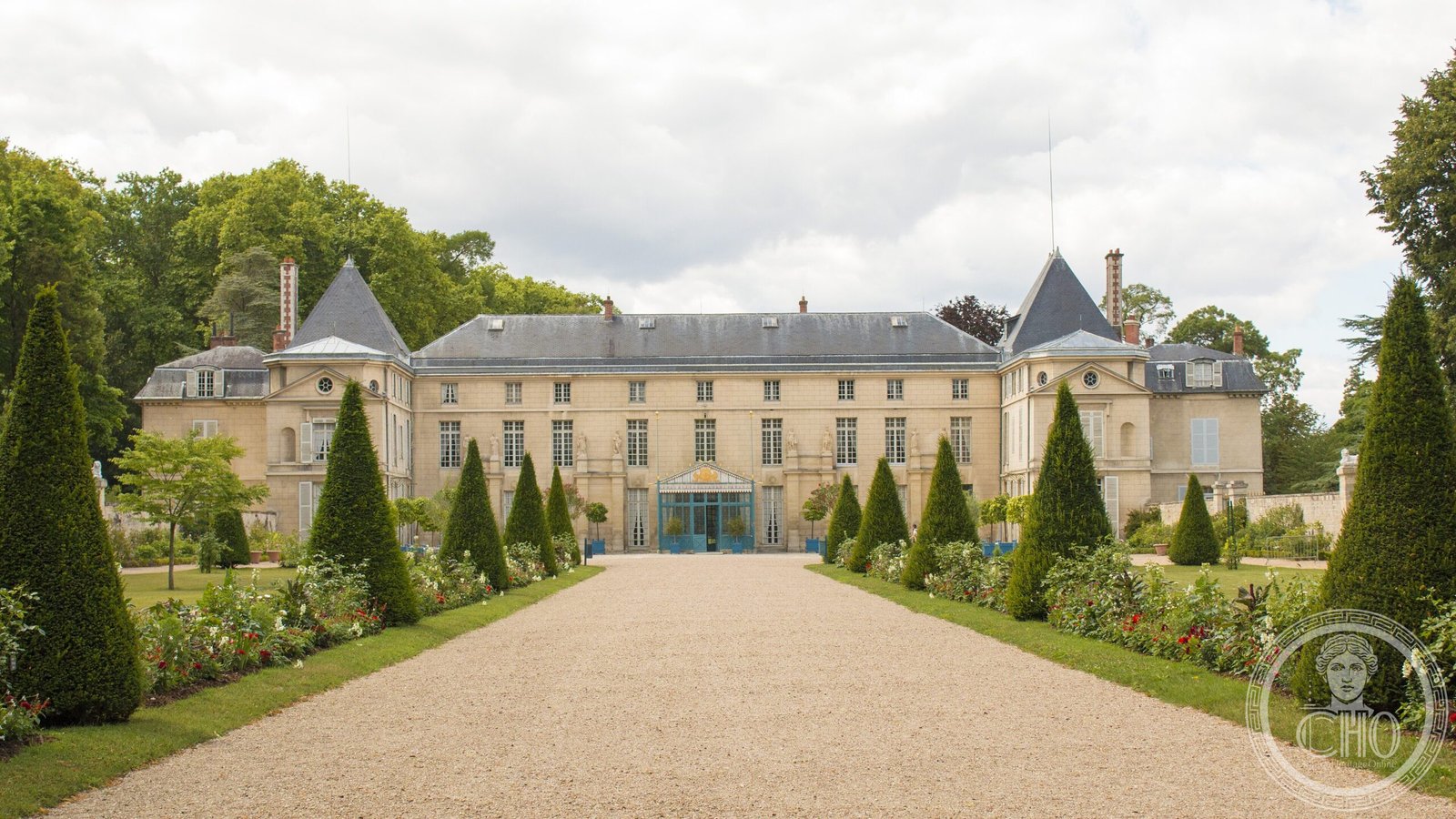
The suburban residence where Empress Joséphine built her legacy, and where Napoleon spent his final days on French soil.
At a glance
Situated 15 kilometres west of Paris on the Seine’s left bank, Malmaison served as both private sanctuary and seat of power. Between 1800 and 1802, it functioned as the headquarters of the French government alongside the Tuileries Palace. The château carries profound historical weight as the residence of two titans of the Revolutionary and Napoleonic era.
History
Joséphine de Beauharnais made Malmaison her home, establishing it as a centre of intellectual and cultural life. The château gained its greatest political significance when it became government headquarters during the Consulate period, a pivotal moment when France stabilized after years of revolutionary upheaval. Napoleon returned to Malmaison in 1815 following his escape from Elba, making it his last residence in France before his final exile to Saint Helena.
What you see
Architectural details of the château’s structure and decoration remain sparse in available records. The estate reflects the refined taste of its most celebrated resident, Joséphine, whose influence shaped its character during the Consulate and Empire periods.
Cultural significance
Malmaison stands as an intimate portrait of Napoleonic France. Unlike the grand formality of Versailles or the Tuileries, this château reveals the personal dimension of historical figures who reshaped Europe. It preserves the memory of Joséphine’s patronage and Napoleon’s final hours on native soil, making it essential to understanding this transformative era.
Key facts
- Location: Rueil-Malmaison, France
- Coordinates: 48.87083333, 2.16694444
- Distance from Paris centre: 15 kilometres west
- Historical role: French government headquarters, 1800–1802
- Notable residents: Empress Joséphine de Beauharnais, Emperor Napoleon Bonaparte
Practical information & getting there
The château is accessible from Paris via regional transport. Before planning your visit, confirm current opening hours and any restrictions, as museum operations may vary seasonally.
Sources & resources
Find it on the map
See this place and what’s around it →📷 Become a Cultural Heritage Online photographer
Share your photos of places: they stay published under your name as the author. The more they're seen, the more you get noticed — and soon a contest will reward the most appreciated photos.
Log in or sign up free to add a photoIs this page about you?
This page is read by travellers and heritage enthusiasts who find it on Google. Tell us how you are connected to this place and we will take it from there.