
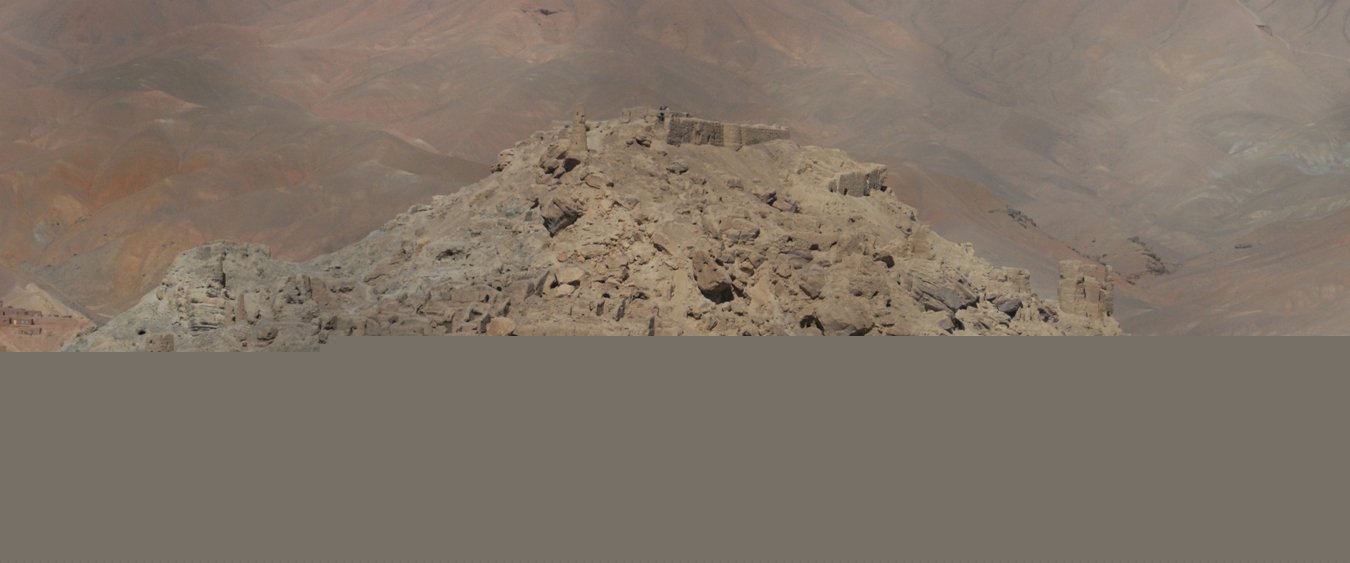
The ruins of a medieval city destroyed during the Mongol siege of 1221, when the death of Genghis Khan’s favored grandson sparked one of history’s most devastating massacres.
At a glance
Shahr-e-Gholghola, the “City of Screams,” stands as an archaeological testament to a pivotal moment in Mongol military history. Located near Bamyan in central Afghanistan, this fortified settlement was erased from inhabited space in a single, catastrophic year.
History
In 1221, Genghis Khan’s army besieged Shahr-e-Gholghola during their pursuit of Jalal al-Din Mangburni, the last ruler of the Khwarazmian Empire. The conflict turned tragic when Mutukan, the eldest son of Chagatai Khan and Genghis Khan’s favorite grandson, was killed by an arrow fired from the city’s walls. The khan’s grief transformed into fury. He ordered the massacre of the entire population and surrounding region, erasing the city from the map and cementing its darker names: City of Woe, City of Sorrows.
What you see
Today, visitors encounter the archaeological remains of medieval fortifications and urban structures. The site preserves evidence of the city’s final moments, offering tangible connection to a turning point in Central Asian history.
Cultural significance
Shahr-e-Gholghola embodies the human cost of the Mongol conquests—a rare instance where the conqueror’s own loss became the reason for mass destruction. The city’s tragic legacy resonates in its place names and serves as a solemn reminder of how dynastic grief and imperial power converged to reshape the medieval world.
Key facts
- Country: Afghanistan
- Region: Bamyan
- Coordinates: 34.8188, 67.839
- Event: Siege of Bamyan (1221)
- Historical significance: Destruction ordered by Genghis Khan following death of his grandson Mutukan
Practical information & getting there
The site is located near the town of Bamyan in central Afghanistan. Travel to the region requires careful planning and current security assessment, as Afghanistan’s stability varies by area and season. Consult official travel advisories and local guides before visiting.
Sources & resources
Find it on the map
See this place and what’s around it →📷 Become a Cultural Heritage Online photographer
Share your photos of places: they stay published under your name as the author. The more they're seen, the more you get noticed — and soon a contest will reward the most appreciated photos.
Log in or sign up free to add a photoIs this page about you?
This page is read by travellers and heritage enthusiasts who find it on Google. Tell us how you are connected to this place and we will take it from there.