
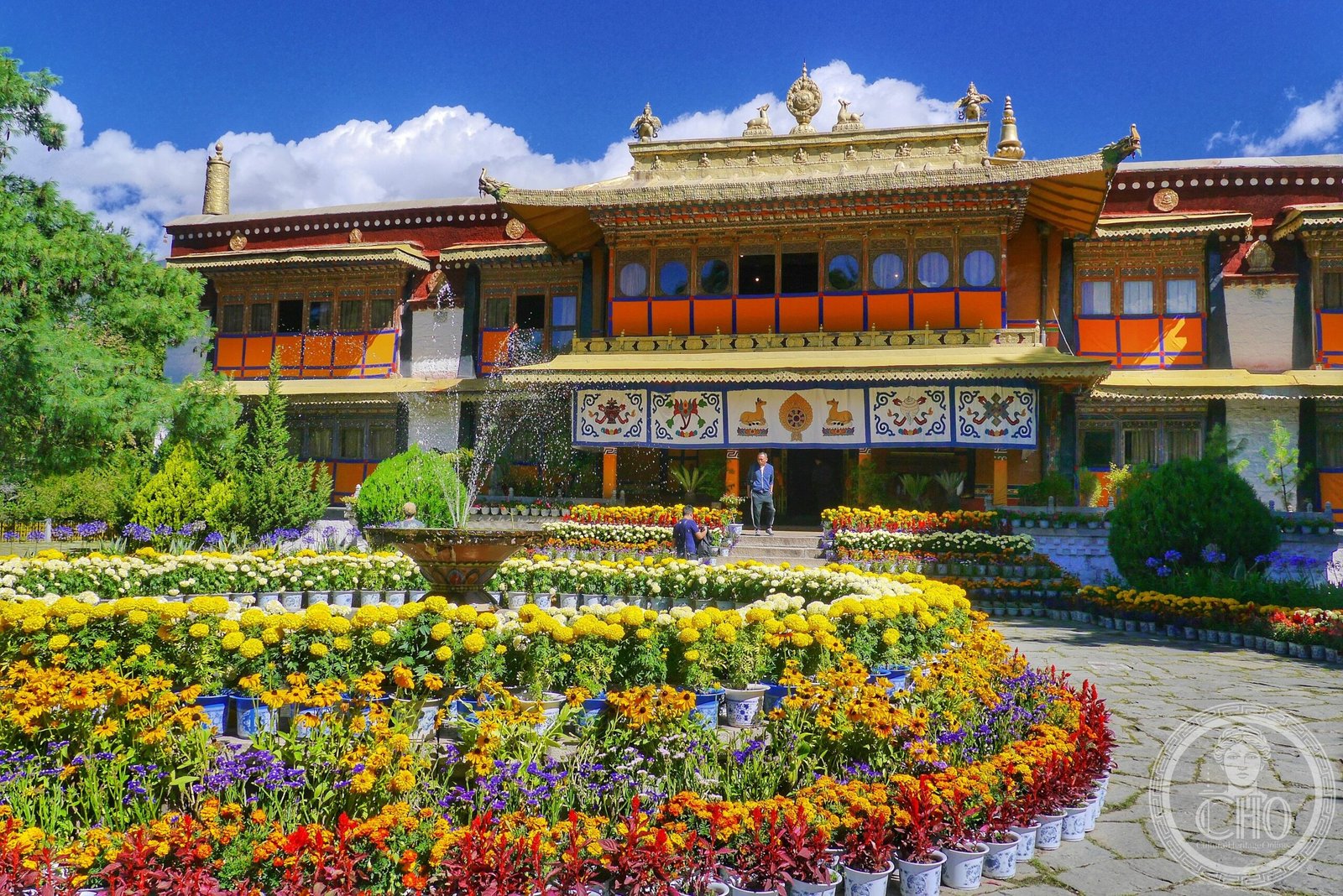
Norbulingka
A sprawling palace and park complex in Lhasa that served as the summer residence of successive Dalai Lamas for nearly two centuries, Norbulingka remains Tibet’s finest example of traditional palatial architecture and horticultural design.
At a glance
Norbulingka—literally “Jeweled Park”—covers 36 hectares on Lhasa’s western outskirts, making it Tibet’s largest man-made garden. Built from 1755 by the 7th Dalai Lama, it functioned as both administrative and religious centre. The complex served as the official summer residence from the 1780s until the 14th Dalai Lama’s 1959 exile.
History
Construction began in 1755 under the 7th Dalai Lama, who envisioned a retreat distinct from the Potala Palace. From the 1780s onward, successive Dalai Lamas refined and expanded the complex, using it as their primary summer residence and seat of power during warmer months.
The 13th and 14th Dalai Lamas commissioned most structures visible today. During the 1950 invasion of Tibet, numerous buildings sustained damage. Restoration efforts began in 2003 under Chinese government initiative, addressing both architectural repairs and landscape reconstruction.
What you see
Norbulingka exemplifies Tibetan palace design through its synthesis of religious and residential functions within a unified garden setting. Multiple interconnected buildings showcase traditional architectural principles, while the park itself integrates water features, flower gardens, and landscaped grounds.
The palace grounds display layers of construction spanning centuries, with ornamental lakes and manicured gardens reflecting horticultural traditions adapted to high-altitude Lhasa.
Cultural significance
The complex holds profound spiritual and political meaning within Tibetan Buddhism. It represents the Dalai Lamas’ connection to seasonal rhythms and their role as both spiritual leaders and administrators. During summer and autumn, Norbulingka transforms into a cultural hub hosting the annual Sho Dun or “Yoghurt Festival,” drawing communities for traditional music, dance, and celebration.
As part of the Historic Ensemble of the Potala Palace UNESCO site, Norbulingka validates Tibet’s architectural heritage on the world stage.
Key facts
- Location: Lhasa, China (coordinates 29.654°N, 91.092°E)
- Founded: 1755
- Area: 36 hectares (89 acres)
- UNESCO World Heritage Site: Yes (added 2001 as extension to Historic Ensemble of the Potala Palace)
- Primary function: Summer residence of the Dalai Lamas (1780s–1959)
Practical information & getting there
Norbulingka lies southwest of Potala Palace in western Lhasa. The park is open to visitors and operates as a museum complex. Current visiting hours and admission fees should be confirmed locally, as restoration work may affect access. Nearby hotels and restaurants in central Lhasa provide good starting points for a visit.
Sources & resources
Find it on the map
See this place and what’s around it →📷 Diventa un fotografo di Cultural Heritage Online
Condividi le tue foto dei luoghi: restano pubblicate con la tua firma come autore. Più vengono viste, più ti fai conoscere — e presto un concorso premierà le foto più apprezzate.
Accedi o registrati gratis per aggiungere una fotoDo you manage this place?
This page is read by travellers and heritage enthusiasts who find it on Google. Keep it accurate — and make it work for you. Free for non-profit heritage institutions.