
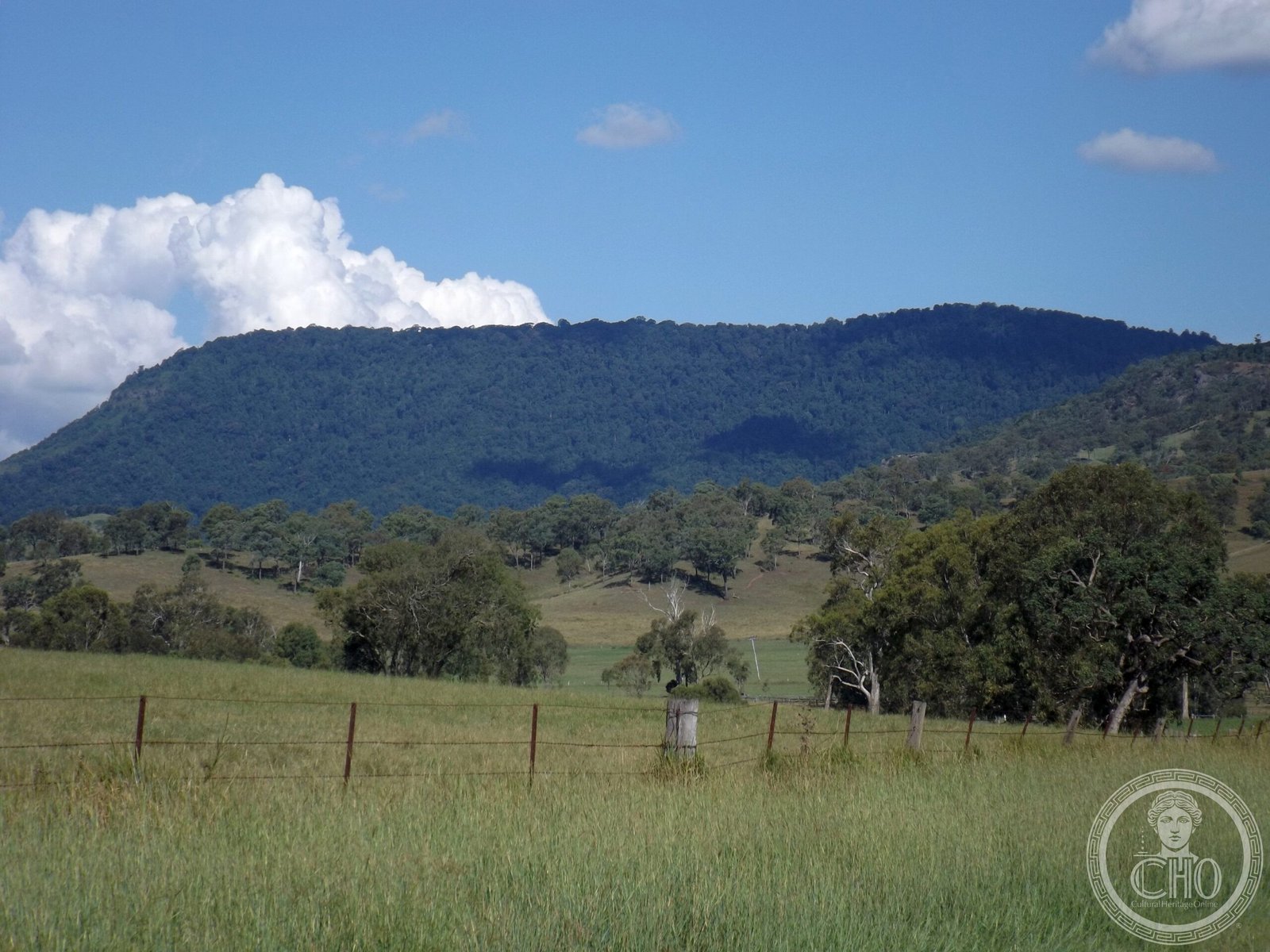
A protected Shield Volcano landscape south of Brisbane, part of the World Heritage rainforests of Gondwana and a critical refuge for threatened bird species.
At a glance
Mount Chinghee National Park preserves a significant portion of Australia’s ancient volcanic shield terrain within the subtropical rainforest ecosystem. Located 93 kilometres south of Brisbane, the park forms part of a larger World Heritage landscape recognised for its geological and biological importance.
History
The protected area was originally designated as Telemon Environment Park before being officially gazetted as Mount Chinghee National Park in 1994. Its inclusion in the World Heritage Site Gondwana Rainforests of Australia (inscribed in 1986) recognised the region’s exceptional natural values. It was added to the Australian National Heritage List in 2007.
What you see
The park’s landscape reflects its volcanic origins, with Shield Volcano Group geology forming part of the diverse Gondwana rainforest environment. Dense subtropical vegetation characterises the terrain. The park currently has no walking tracks or visitor facilities.
Cultural significance
Mount Chinghee holds international recognition as part of the Scenic Rim Important Bird Area, designated by BirdLife International for its role in conserving several threatened bird species. The site’s ecological value extends beyond ornithology, contributing to the protection of Australia’s ancient rainforest heritage and its irreplaceable biodiversity.
Key facts
- Country: Australia (Queensland)
- Distance from Brisbane: 93 kilometres (58 miles) south
- Coordinates: −28.3025, 152.9467
- UNESCO World Heritage Site: Gondwana Rainforests of Australia (1986)
- Australian National Heritage List: 2007
- Designated national park: 1994
Practical information & getting there
The park is located in south-east Queensland, approximately 90 minutes’ drive from Brisbane. Currently, there are no formal walking tracks or visitor facilities within the park. Information about access and conditions should be checked with Queensland Parks and Wildlife Service before visiting.
Sources & resources
Find it on the map
See this place and what’s around it →📷 Become a Cultural Heritage Online photographer
Share your photos of places: they stay published under your name as the author. The more they're seen, the more you get noticed — and soon a contest will reward the most appreciated photos.
Log in or sign up free to add a photo