
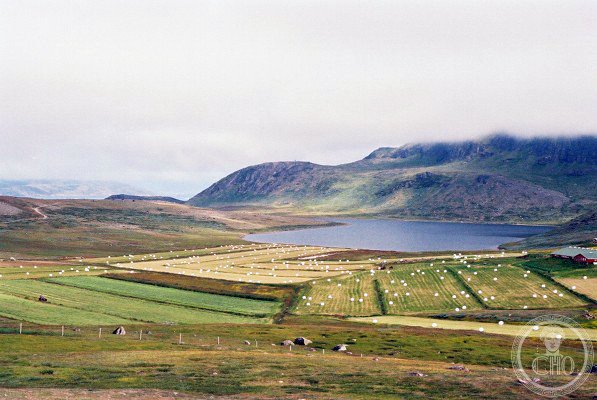
A small settlement in southern Greenland marking the site of Norse ruins and colonial history, where Arctic farming persisted at the continent’s edge.
At a glance
Igaliku is a settlement of approximately 21 residents (as of 2020) in the Kujalleq municipality of southern Greenland. The town stands near the UNESCO World Heritage site of Garðar, medieval Norse ruins that document a vanished farming civilization.
History
Igaliku was founded in 1783 by Anders Olsen, a trader and colonial administrator, and his Greenlandic wife, Tuperna. The site exists within a landscape shaped by centuries of Norse settlement, whose remains—including the farms of Garðar—were inscribed on the UNESCO World Heritage List in 2017 as part of the Kujataa Greenland: Norse and Inuit Farming at the Edge of the Ice Cap site. This designation acknowledges the region’s remarkable history of human habitation and adaptation across distinct cultures.
What you see
The town itself is modest in scale. The primary cultural attraction is the nearby Norse ruins of Garðar, which provide archaeological evidence of medieval Norse farming settlements that thrived in Greenland from roughly the 10th to 15th centuries.
Cultural significance
Igaliku embodies layers of Greenlandic history: Norse colonization, Inuit settlement, and Danish colonial administration. The UNESCO designation recognizes the region’s exceptional testimony to how different cultures farmed at the limits of agricultural viability in the Arctic.
Key facts
- Country: Greenland (Kujalleq municipality)
- Population: 21 (2020)
- Founded: 1783
- Coordinates: 60.988°N, 45.421°W
- UNESCO World Heritage: Part of Kujataa Greenland site (inscribed 2017)
Practical information & getting there
Igaliku is accessible by boat or helicopter from larger settlements in southern Greenland. Weather conditions and season significantly affect transport. Plan visits during warmer months for better accessibility. No dedicated tourism infrastructure is available; arrange visits through local authorities or tour operators familiar with remote Greenlandic settlements.
Sources & resources
Find it on the map
See this place and what’s around it →📷 Become a Cultural Heritage Online photographer
Share your photos of places: they stay published under your name as the author. The more they're seen, the more you get noticed — and soon a contest will reward the most appreciated photos.
Log in or sign up free to add a photoIs this page about you?
This page is read by travellers and heritage enthusiasts who find it on Google. Tell us how you are connected to this place and we will take it from there.