
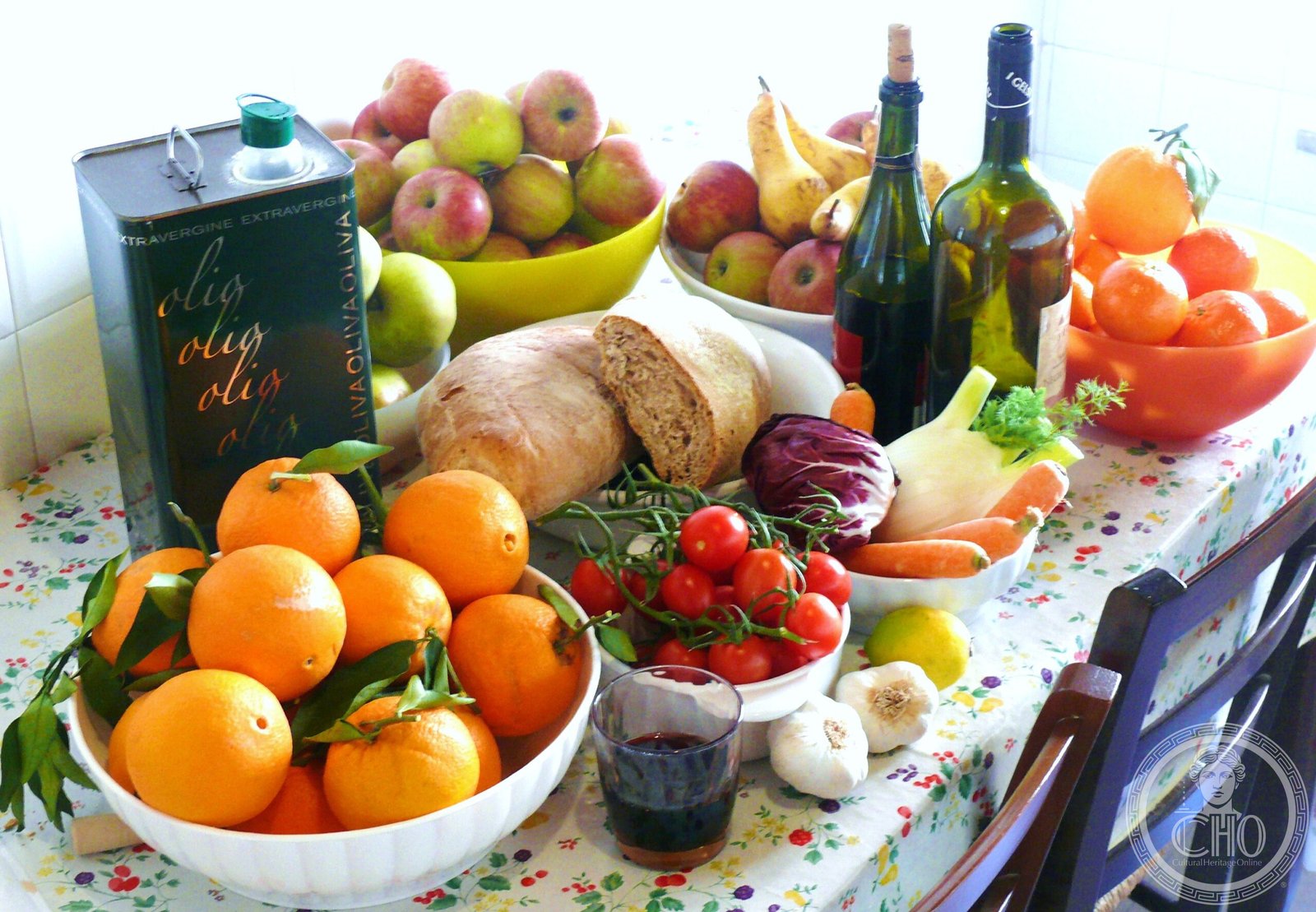
A time-honoured eating pattern rooted in the plant-rich, olive-oil-centred foodways of Mediterranean communities, recognized by UNESCO as a living cultural heritage that binds cuisine to lifestyle, community, and well-being.
At a glance
The Mediterranean diet is an eating pattern inspired by the traditional foods and habits observed across Greece, Italy, France, Spain, the Levant, and Morocco from the late 1950s to early 1960s. It emphasizes plant-based whole foods—cereals, legumes, vegetables, and fruits—paired with moderate amounts of fish and dairy, minimal red meat, and olive oil as the primary fat source. Wine, typically red, is consumed in low to moderate amounts with meals. The pattern is distinct from the broader culinary traditions of individual Mediterranean countries, though it draws inspiration from them all.
Origins and history
The concept was formally proposed in 1975 by American biologist Ancel Keys and chemist Margaret Keys, based on their observations of eating habits in Mediterranean communities during the late 1950s and early 1960s. The diet reflects centuries of agricultural and cultural practice across multiple Mediterranean nations, where geography, climate, and trade shaped a shared food culture. This scientific articulation of a pre-existing traditional pattern has since become the world’s most well-known and researched dietary model.
The tradition today
Contemporary practice extends beyond food choices to encompass lifestyle habits and social values: simple yet varied cooking methods, communal and family meals shared at table, regular physical activity, and cultural rhythms like post-lunch rest. Olive oil remains central—used across cooking, dressing, and preservation—while seasonal, locally-sourced ingredients remain central to the approach. The tradition continues to evolve based on scientific evidence while honouring its roots in Mediterranean agricultural and social life.
Cultural significance
The Mediterranean diet embodies a philosophy that links food, community, and wellness. Observational studies have associated it with reduced all-cause mortality and lower risk of heart disease. It has been recognized by the World Health Organization as a healthy eating pattern and is one of three diets recommended in the U.S. Dietary Guidelines for Americans. UNESCO’s 2010 recognition honours not merely a set of recipes, but a holistic cultural practice that reflects the values and environment of Mediterranean peoples across multiple nations and generations.
Key facts
- Country: Morocco (and Greece, Italy, France, Spain, and the Levant)
- Anchor community: Chefchaouen, Morocco
- UNESCO Recognition: Intangible Cultural Heritage of Humanity, 2010 (Representative List)
- Originating concept: Proposed by Ancel Keys and Margaret Keys, 1975
- Scientific basis: Observed foodways from late 1950s–early 1960s; refined through decades of epidemiological research
- Core foods: Whole cereals, legumes, vegetables, fruits, olive oil, fish, cheese, yogurt; low red meat and refined grains
- Lifestyle elements: Communal meals, moderate physical activity, cultural rest practices
Where to experience it
You can experience the Mediterranean diet across the Moroccan Rif and beyond—in family homes, local markets, and traditional restaurants where seasonal vegetables, legumes, olive oil, and fish remain staples. Chefchaouen’s mountain setting and proximity to both Mediterranean and Levantine culinary zones make it a natural focal point. Seek out communal meals in local establishments, visit weekly markets for fresh produce and oils, and observe the rhythm of daily eating—unhurried, shared, and seasonal.
Sources & resources
Find it on the map
See this place and what’s around it →📷 Become a Cultural Heritage Online photographer
Share your photos of places: they stay published under your name as the author. The more they're seen, the more you get noticed — and soon a contest will reward the most appreciated photos.
Log in or sign up free to add a photo