
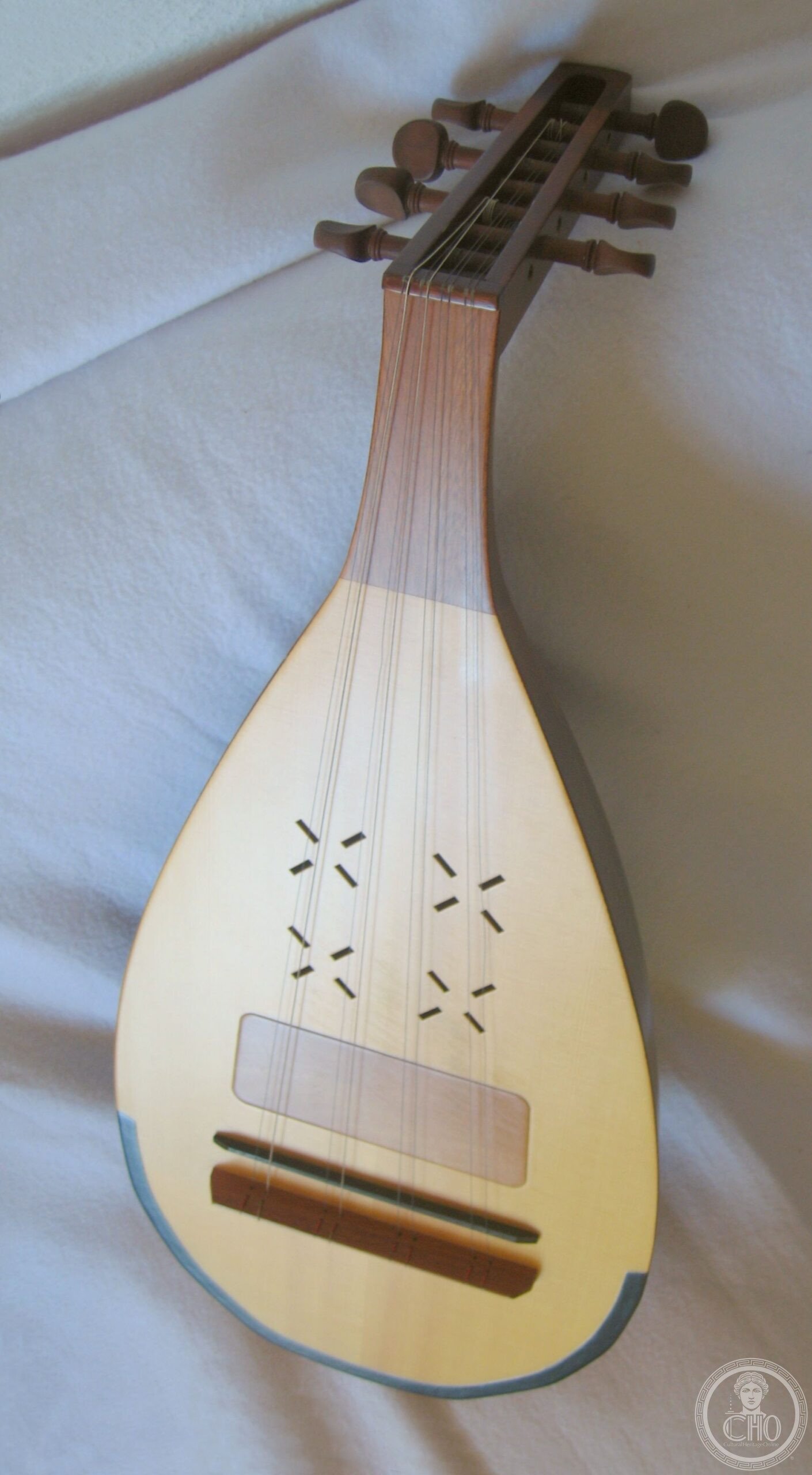
Cobza
A pear-shaped lute of ancient Balkan origin, the cobza remains the heartbeat of Romanian and Moldovan folk music—played solo or in ensemble, its strings plucked with a folded goose feather to voice the rhythms and harmonies of centuries.
At a glance
The cobza is a multi-stringed instrument of the lute family, distinguished by its pear-shaped wooden body, short neck, and warm, resonant tone. Traditionally strummed with a folded goose feather, it serves as both a rhythmic and harmonic anchor in folk ensembles and as a virtuosic solo instrument. The cobza remains central to the musical identity of Romania, Moldova, and contemporary Hungarian folk practice.
Origins and history
The cobza is considered the oldest accompaniment instrument in the region comprising Romania and Moldova. Related instruments in Hungary may date back to at least the 16th century, possibly arriving with the Magyar tribes as early as the 9th and 10th centuries. The modern Romanian cobza gained wider currency in Hungary following the Táncház movement of the late 20th century, a revival that rekindled interest in traditional folk forms across Central Europe.
The cobza is distinct from the Ukrainian Kobza, which has different construction and separate origins.
The tradition today
Cobza players continue to master both solo repertoires and ensemble work, where the instrument provides essential rhythmic and harmonic texture. Performance contexts range from intimate village gatherings to concert halls and international folk festivals. Contemporary practitioners preserve traditional playing techniques while adapting to modern audiences, ensuring the instrument remains vibrant within living folk communities.
Cultural significance
The cobza embodies centuries of musical knowledge passed through generations of Romanian and Moldovan musicians. Its presence in folk ensembles marks essential rites, celebrations, and daily cultural life. The instrument represents a direct link to pre-modern musical practices and serves as a symbol of regional cultural identity across the Balkans and Central Europe.
Key facts
- Country: Romania
- Anchor community: Iași
- UNESCO Intangible Cultural Heritage: Representative List (Cobza: traditional knowledge, skills and music)
- Construction: Pear-shaped body, short neck, wooden frame
- Playing technique: Strummed with folded goose feather
- Regional spread: Romania, Moldova, Hungary
Where to experience it
You will find cobza performances at folk festivals, traditional music venues, and concert halls throughout Iași and across Romania. Many folk ensembles and individual musicians continue to perform at community celebrations, weddings, and cultural events. Contact local cultural institutions and folk music organizations in Iași for current performance schedules and opportunities to learn from experienced players.
Sources & resources
Find it on the map
See this place and what’s around it →📷 Diventa un fotografo di Cultural Heritage Online
Condividi le tue foto dei luoghi: restano pubblicate con la tua firma come autore. Più vengono viste, più ti fai conoscere — e presto un concorso premierà le foto più apprezzate.
Accedi o registrati gratis per aggiungere una foto