
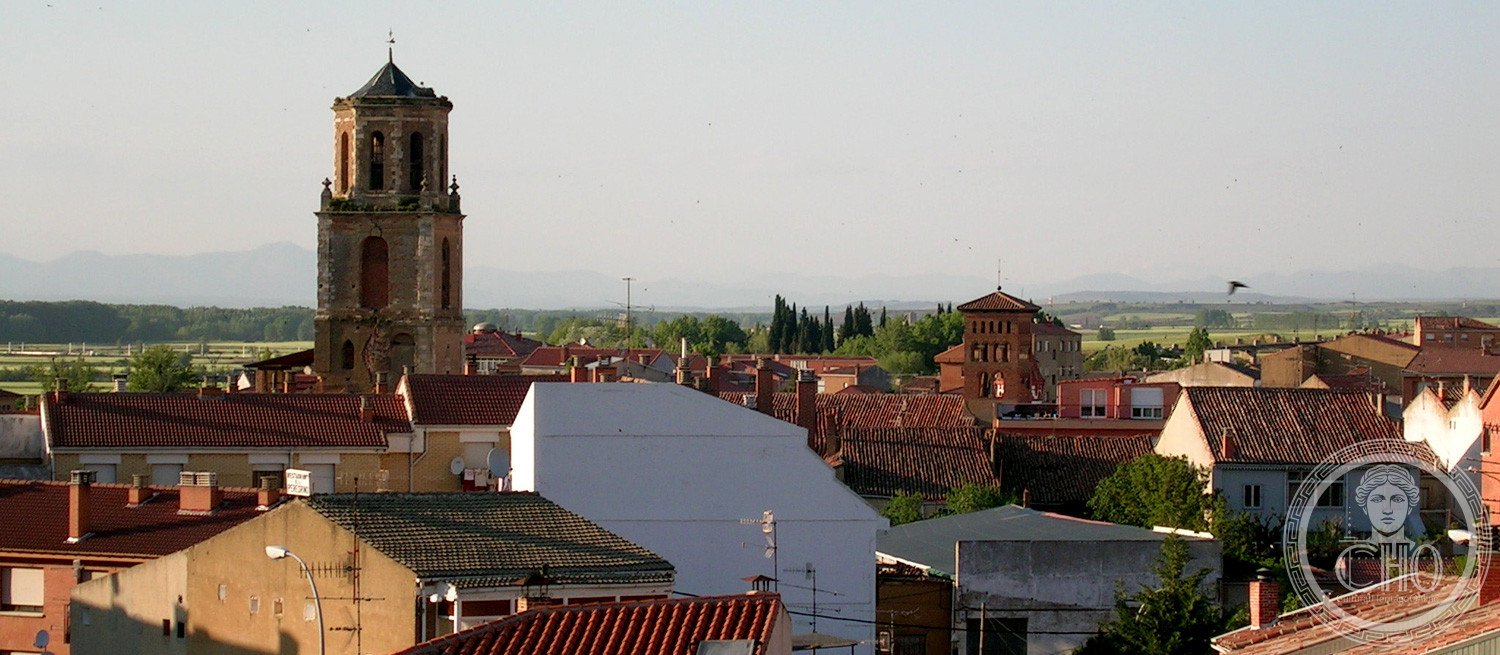
A pivotal stop on the Way of St. James, this Leonese town preserves some of Spain’s earliest mudéjar architecture and witnessed a dramatic cavalry engagement during the Peninsular War.
At a glance
Sahagún sits at the heart of the Tierra de Campos natural region, marking the traditional halfway point on the pilgrimage road between St. Jean Pied de Port and Santiago de Compostela. The town’s architectural character reflects centuries of development around its Benedictine monastery.
History
A settlement first took root here in the medieval period, organized around a Benedictine monastery dedicated to the saints Facundus and Primitivus. The town’s name derives from “San Fagun,” an abbreviation and variation of Saint Facundus. In 1808, during the Peninsular War, Sahagún became the site of a notable British cavalry victory—the Battle of Sahagún—in which outnumbered British light cavalry prevailed against a larger French force.
What you see
Sahagún contains some of the earliest surviving examples of mudéjar architecture in Spain. This distinctive style, developed by Muslim artisans working in Christian kingdoms, is visible in the town’s religious and civic structures, testament to medieval Spain’s complex cultural exchanges.
Cultural significance
As a major waypoint on the Camino de Santiago, Sahagún remains integral to one of Europe’s most important pilgrimage routes. Its architectural heritage documents a formative period in Spanish medieval development, while its role in the Napoleonic Wars connects it to broader European history.
Key facts
- Country: Spain
- Region: Castile and León, Province of León
- Coordinates: 42.37194444, −5.03027778
- Notable feature: Early mudéjar architecture
- Pilgrimage significance: Midpoint on the Way of St. James
Practical information & getting there
Sahagún is accessible via regional road connections within the province of León. As a recognized stop on the Camino de Santiago, it offers facilities for pilgrims and visitors traveling the historic route.
Sources & resources
Find it on the map
See this place and what’s around it →📷 Become a Cultural Heritage Online photographer
Share your photos of places: they stay published under your name as the author. The more they're seen, the more you get noticed — and soon a contest will reward the most appreciated photos.
Log in or sign up free to add a photoIs this page about you?
This page is read by travellers and heritage enthusiasts who find it on Google. Tell us how you are connected to this place and we will take it from there.