
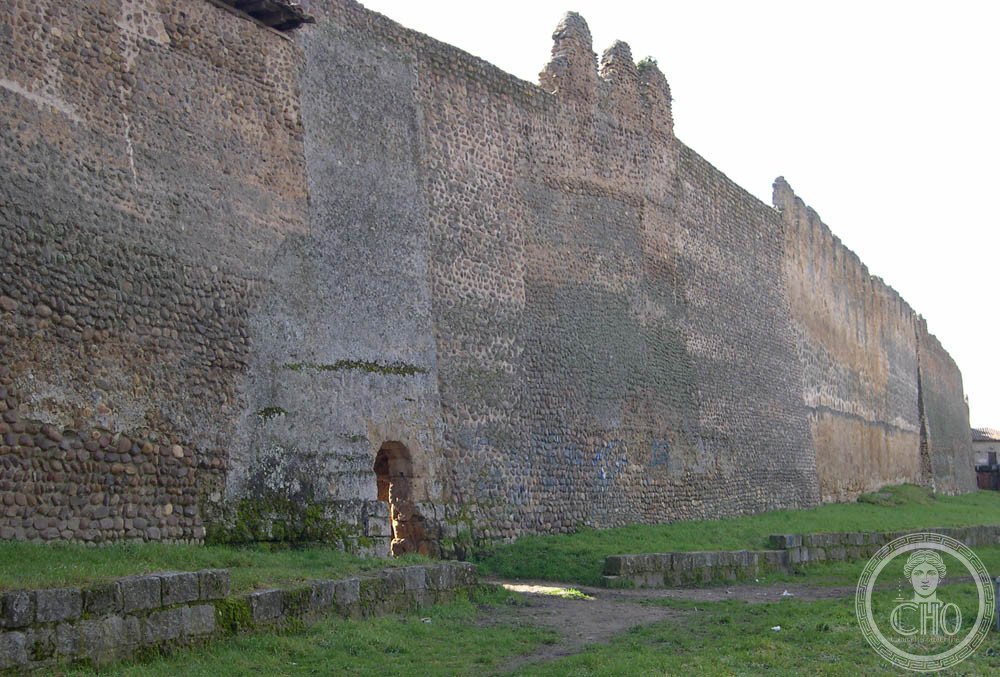
A medieval waypoint on the Camino de Santiago, where pilgrims cross the Esla River en route to León.
At a glance
This small municipality sits along the French Way, the principal pilgrimage route to Santiago de Compostela. The town’s medieval bridge has served countless travelers for centuries. Today it remains a vital rest stop between the provincial capital and the cathedral city ahead.
History
Mansilla de las Mulas developed as a settlement around a crucial river crossing on the ancient pilgrimage route. The town’s medieval bridge became an essential structure for the movement of people across the Esla River. A convent of San Agustín once stood here, leaving archaeological traces that inform our understanding of medieval monastic life in the region.
What you see
The medieval bridge remains the dominant landmark, its stone arches spanning the Esla. The bridge’s enduring construction has allowed it to accommodate pilgrims and travelers across generations. The Museum of the Leonese Peoples now occupies a building erected over the remains of the former San Agustín convent, creating a dialogue between past and present.
Cultural significance
The town embodies the living heritage of the Camino de Santiago. Its bridge represents medieval engineering in service of spiritual journey. The museum preserves over 8,000 ethnographic pieces that document the cultural traditions of the Leonese people, connecting material culture to the region’s identity.
Key facts
- Country: Spain
- Province: León, Castile and León
- Population: 1,663 (2024)
- Coordinates: 42.5, −5.42
- On the French Way (Camino de Santiago)
- Museum of the Leonese Peoples holds c. 8,000 pieces
Practical information & getting there
Mansilla de las Mulas lies on the French Way between Sahagún and León. Pilgrims typically reach the town as part of a multi-day walk toward Santiago de Compostela. The bridge marks a natural gathering point. The museum can be visited when passing through.
Sources & resources
Find it on the map
See this place and what’s around it →📷 Become a Cultural Heritage Online photographer
Share your photos of places: they stay published under your name as the author. The more they're seen, the more you get noticed — and soon a contest will reward the most appreciated photos.
Log in or sign up free to add a photoIs this page about you?
This page is read by travellers and heritage enthusiasts who find it on Google. Tell us how you are connected to this place and we will take it from there.