
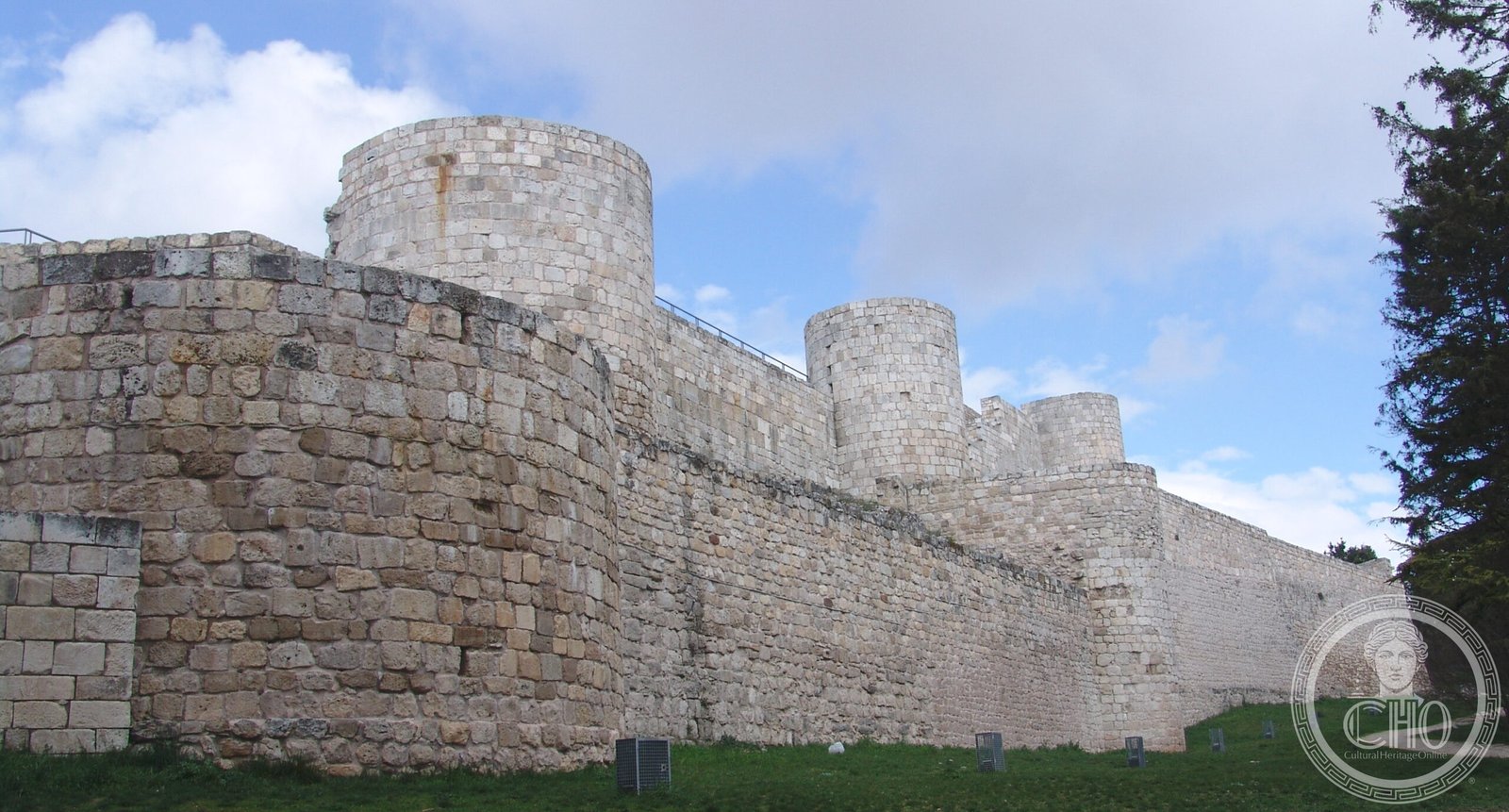
Crowning the hill of San Miguel above Burgos, this royal fortress evolved from Roman foundations into a major seat of Castilian power, only to be nearly obliterated by French explosives in 1813.
At a glance
The Castle of Burgos rises 75 metres above the city on the hill of San Miguel, at an elevation of 981 metres above sea level. Once a dominant royal residence and military stronghold, it now stands as ruins—the result of deliberate destruction during the Peninsular War.
History
Archaeological surveys conducted by General Centeno in 1925 and 1926 revealed that the castle’s origins trace to the Visigothic period, with its oldest structures dating to Roman times. Over centuries, the fortress expanded into a major residence of the kings of Castile.
With the accession of the Habsburg dynasty, the castle diminished in importance as a royal seat. During the French occupation of Spain, on June 15, 1813, the retreating French army demolished the fortress with explosives, causing near-total destruction of the entire structure.
What you see
The castle survives today in ruinous form. The explosion of 1813 devastated the defensive walls, chambers, and structures that once defined the fortress, leaving fragmentary evidence of its medieval grandeur.
Cultural significance
The Castle of Burgos embodies the military and dynastic power of medieval Castile. Its destruction during the Napoleonic Wars marks a pivotal moment in Spanish history—a symbol of the peninsula’s resistance and the collateral damage of foreign occupation.
Key facts
- Location: Burgos, Spain
- Elevation: 981 metres above sea level; 75 metres above the city
- Origins: Roman and Visigothic periods
- Coordinates: 42.3428, -3.7072
- Destroyed: June 15, 1813, by retreating French forces
Practical information & getting there
The ruins are located on the hill of San Miguel in central Burgos. For current access conditions and visiting hours, consult local tourism information.
Sources & resources
Find it on the map
See this place and what’s around it →📷 Become a Cultural Heritage Online photographer
Share your photos of places: they stay published under your name as the author. The more they're seen, the more you get noticed — and soon a contest will reward the most appreciated photos.
Log in or sign up free to add a photoIs this page about you?
This page is read by travellers and heritage enthusiasts who find it on Google. Tell us how you are connected to this place and we will take it from there.