

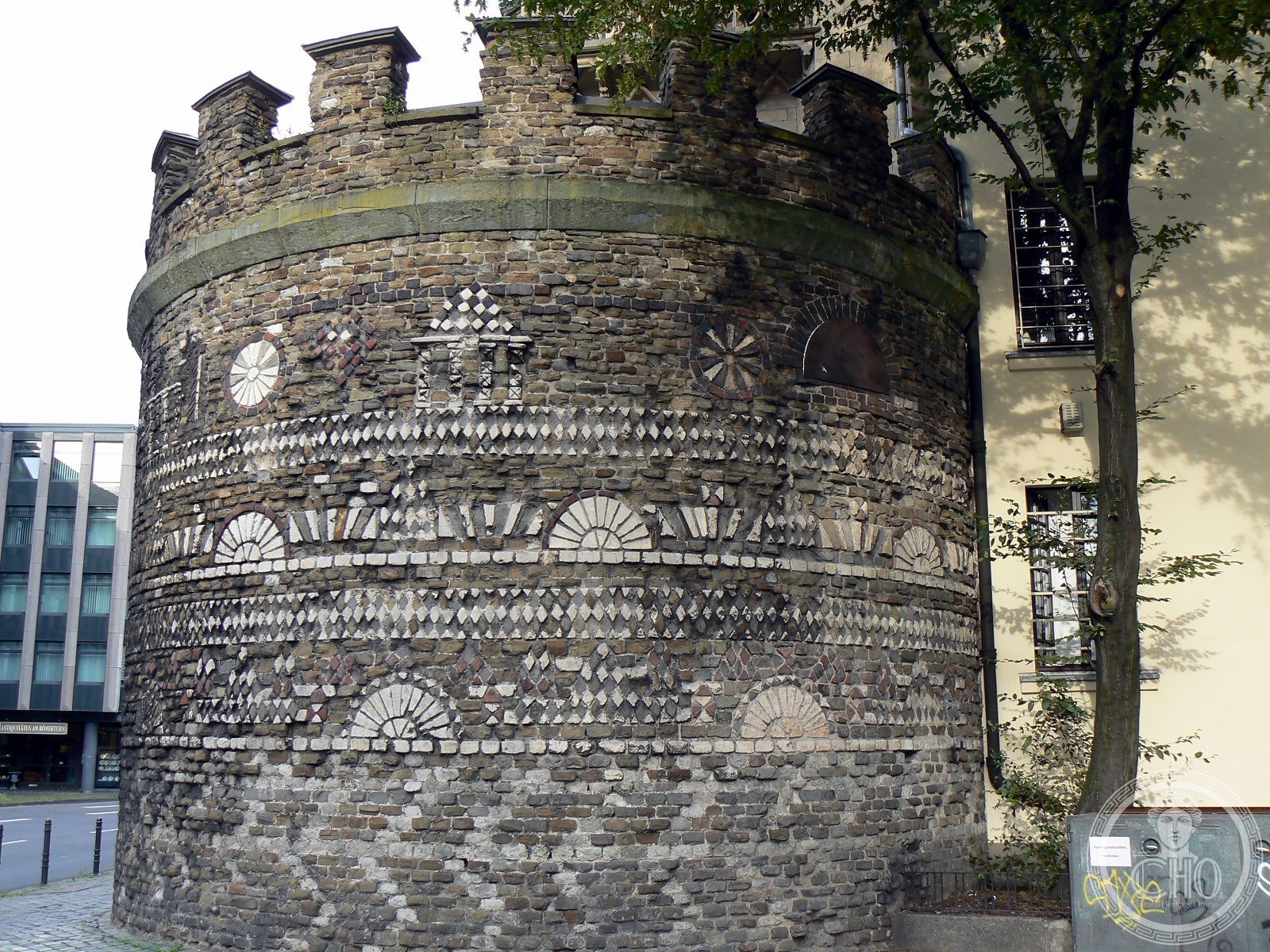
The Roman colony that became Cologne was the administrative and military heart of the Rhine frontier, home to 20,000 inhabitants at its height and the birthplace of a city that endures today.
At a glance
Colonia Claudia Ara Agrippinensium was the Roman colony established in the Rhineland from which modern Cologne developed. Usually called simply Colonia, it served as the capital of the province of Germania Inferior and commanded the military operations of the region. Under Diocletian’s administrative reforms, it became the capital of Germania Secunda, reinforcing its political importance during the later Empire.
History
Founded as a Roman colony, Colonia grew into a major provincial centre. During the second and mid-third centuries, the city flourished with a population of approximately 20,000 inhabitants. Its role as both administrative capital and military headquarters made it one of the most significant settlements along the Rhine frontier. The later reorganization under Diocletian acknowledged its continued strategic value.
What you see
Though much of the ancient city lies beneath modern Cologne, substantial remains have survived. The arch of the former city gate, inscribed with “CCAA” (the abbreviated name of the colony), represents one of the most significant surviving monuments. This arch is now preserved in the Romano-Germanic Museum, where numerous other artefacts from daily life in the Roman city provide insight into its character and prosperity.
Cultural significance
Colonia Claudia Ara Agrippinensium represents a crucial point of contact between Roman civilization and the Germanic tribes of the Rhine region. The city embodied Roman military strategy and administrative organization on the northern frontier. Its continuous development into the medieval and modern city of Cologne demonstrates the lasting urban legacy of Roman planning and settlement.
Key facts
- Country: Germany
- City: Cologne
- Coordinates: 50.9381°N, 6.9569°E
- Roman name: Colonia Claudia Ara Agrippinensium
- Peak population: circa 20,000 (2nd–3rd century)
- Administrative role: Capital of Germania Inferior; later Germania Secunda under Diocletian
Practical information & getting there
Roman artefacts from Colonia are displayed in Cologne’s Romano-Germanic Museum, where you can examine the inscribed city gate arch and other finds that illuminate Roman life on the Rhine. The city itself occupies the site of the ancient colony, and walking its streets offers a tangible connection to the layers of history beneath modern Cologne.
Sources & resources
Find it on the map
See this place and what’s around it →📷 Become a Cultural Heritage Online photographer
Share your photos of places: they stay published under your name as the author. The more they're seen, the more you get noticed — and soon a contest will reward the most appreciated photos.
Log in or sign up free to add a photoIs this page about you?
This page is read by travellers and heritage enthusiasts who find it on Google. Tell us how you are connected to this place and we will take it from there.