
Seine
A 777-kilometre river flowing from the Langres plateau through Paris to the English Channel, the Seine shaped the history and identity of France’s capital and remains one of Europe’s most navigable and celebrated waterways.
At a glance
The Seine rises in northeastern France near Dijon and travels northwestward across the Paris Basin, one of Europe’s most geologically stable lowlands. It reaches the sea at Le Havre and Honfleur after passing through Paris, where it defines the city’s geography and cultural landscape. The river remains commercially and recreationally vital to the region.
History
The Seine originates at Source-Seine, 30 kilometres northwest of Dijon on the Langres plateau. For centuries, it served as a crucial trade route and defensive boundary, its banks witness to medieval Paris and the rise of the French capital as a European power. The river continues to anchor Paris’s identity and economy.
What you see
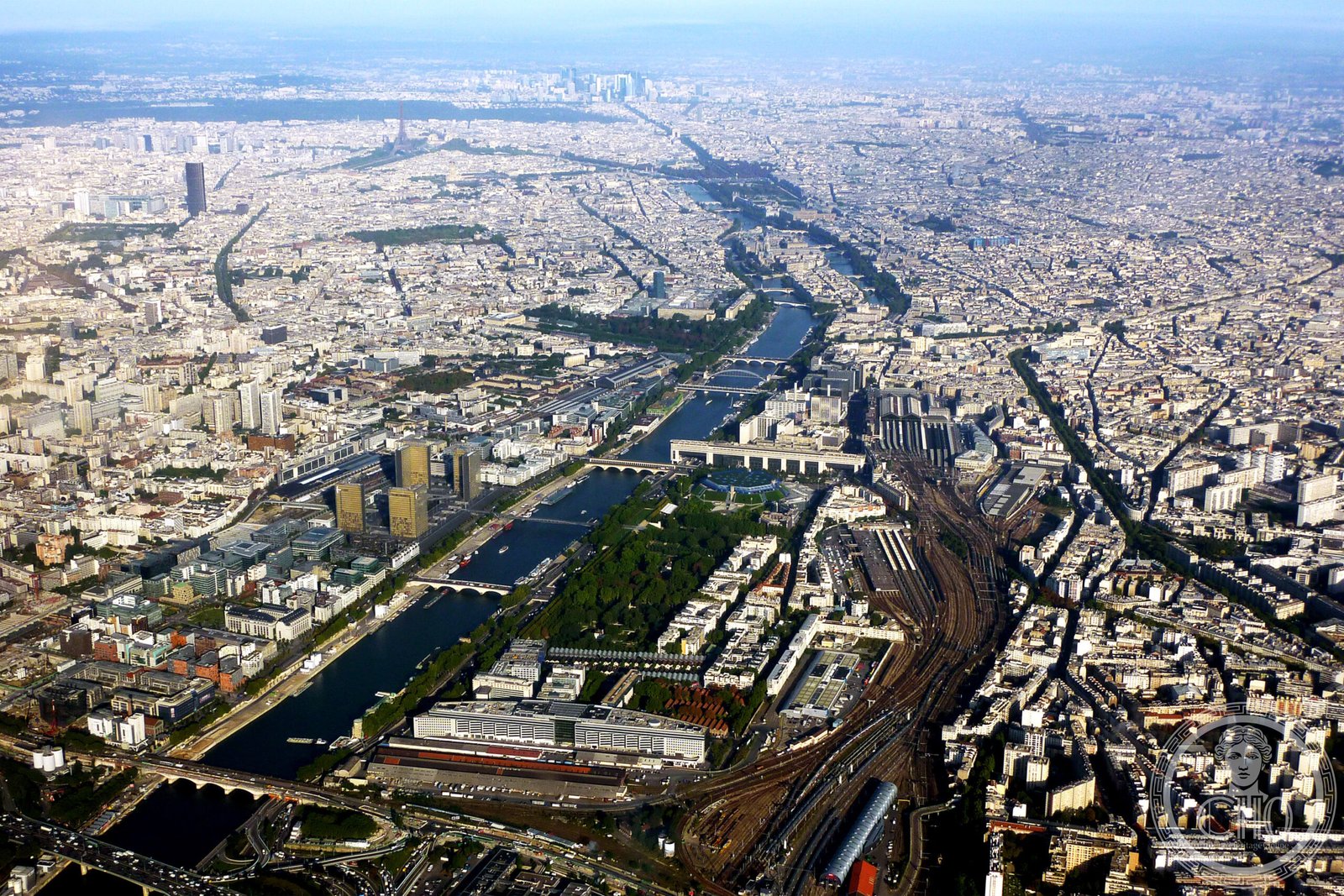
Thirty-seven bridges span the Seine within Paris, including the ornate Pont Alexandre III and the historic Pont Neuf—one of the city’s oldest and most recognizable structures. Dozens more bridges cross the river outside the capital. The riverbanks themselves host classical façades, Notre-Dame Cathedral, and museums that define Parisian architectural heritage. Excursion boats offer sightseeing tours along these iconic vistas.
Cultural significance
The Seine is inseparable from Paris itself. Its islands, embankments, and bridges form the backdrop to centuries of French art, literature, and urban life. The river remains a symbol of the city’s elegance and a gathering place for residents and visitors alike.
Key facts
- Country: France
- Length: 777 kilometres (483 miles)
- Drainage basin: Paris Basin, covering most of northern France
- Source: Langres plateau, 30 km northwest of Dijon
- Mouth: English Channel at Le Havre and Honfleur
- Navigation: Ocean-going vessels reach Rouen (120 km from sea); large barges navigable over 60% of length; recreational boating nearly throughout
- Bridges in Paris: 37
Practical information & getting there
The Seine is accessible year-round. Commercial and tourist boat services depart regularly from central Paris; excursion boats offer guided sightseeing tours of the riverbanks. Bridges and riverside walks provide free access to the water. The river is navigable by private recreational craft across most of its length.
Sources & resources
Find it on the map
See this place and what’s around it →📷 Diventa un fotografo di Cultural Heritage Online
Condividi le tue foto dei luoghi: restano pubblicate con la tua firma come autore. Più vengono viste, più ti fai conoscere — e presto un concorso premierà le foto più apprezzate.
Accedi o registrati gratis per aggiungere una foto