
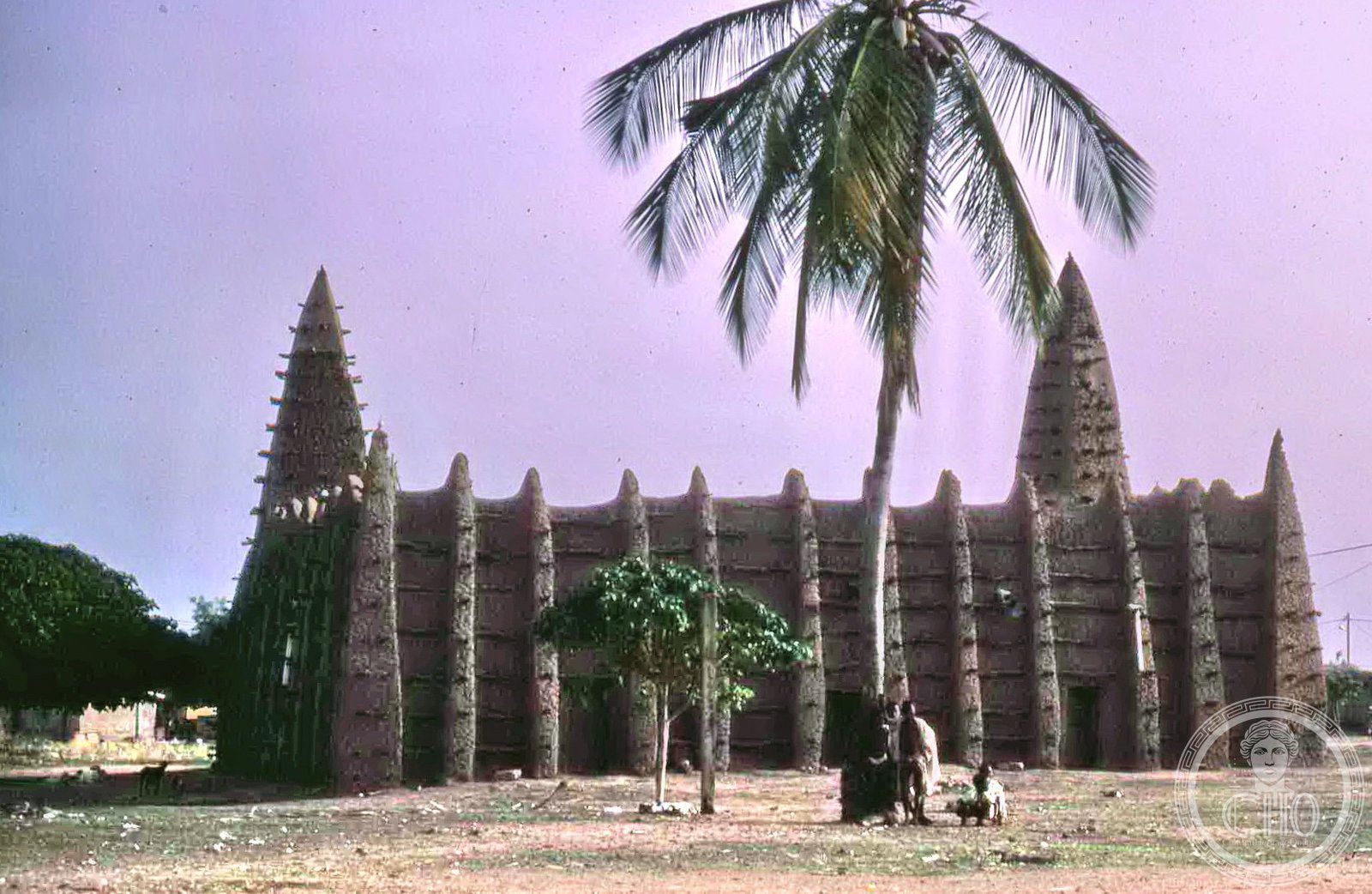
Eight mosques exemplifying the Sudanese architectural tradition, built across three centuries and recognised as a UNESCO World Heritage ensemble.
At a glance
This collection comprises eight mosques distributed across northern Côte d’Ivoire, each constructed between the 17th and 19th centuries. They represent the Sudanese style of Islamic architecture, a tradition that first arrived in West Africa through the Empire of Mali during the 14th century and subsequently spread and evolved across the region.
History
The Sudanese architectural style originated in Mali in the 14th century, bringing distinctive Islamic forms to West African construction. Over subsequent centuries, this approach was adapted and adopted across northern Côte d’Ivoire, resulting in eight mosques built between the 1600s and 1800s that reflect both continuity and local interpretation of the tradition.
The collection’s international recognition came gradually. UNESCO added these eight mosques to its Tentative List on November 29, 2006, affirming their potential significance. Full inscription on the World Heritage List followed in 2021, placing them in the Cultural category.
What you see
These mosques embody the Sudanese style through shared architectural principles that distinguish them from other Islamic building traditions. The specific formal characteristics and spatial arrangements reflect the adaptation of West African construction methods and materials to religious requirements, with each mosque bearing its own local variations developed over the centuries of their construction.
Cultural significance
The eight mosques form a coherent testimony to the long-term influence of Malian architectural traditions across West Africa. Their UNESCO recognition underscores their importance as cultural markers of Islamic practice and architectural evolution in the region. Together they demonstrate how a distinctive building tradition was transmitted, adapted and maintained across generations and geography.
Key facts
- Country: Ivory Coast
- Region: Northern Côte d’Ivoire
- Number of sites: Eight mosques
- Period: 17th–19th centuries
- UNESCO World Heritage List: Inscribed 2021 (Cultural category)
- Coordinates: 10.49°N, 6.41°W
Practical information & getting there
The eight mosques are distributed across northern Côte d’Ivoire. For current visiting information, opening hours and accessibility, consult local tourism authorities or UNESCO’s World Heritage site database before planning your visit.
Sources & resources
Find it on the map
See this place and what’s around it →📷 Become a Cultural Heritage Online photographer
Share your photos of places: they stay published under your name as the author. The more they're seen, the more you get noticed — and soon a contest will reward the most appreciated photos.
Log in or sign up free to add a photoIs this page about you?
This page is read by travellers and heritage enthusiasts who find it on Google. Tell us how you are connected to this place and we will take it from there.