
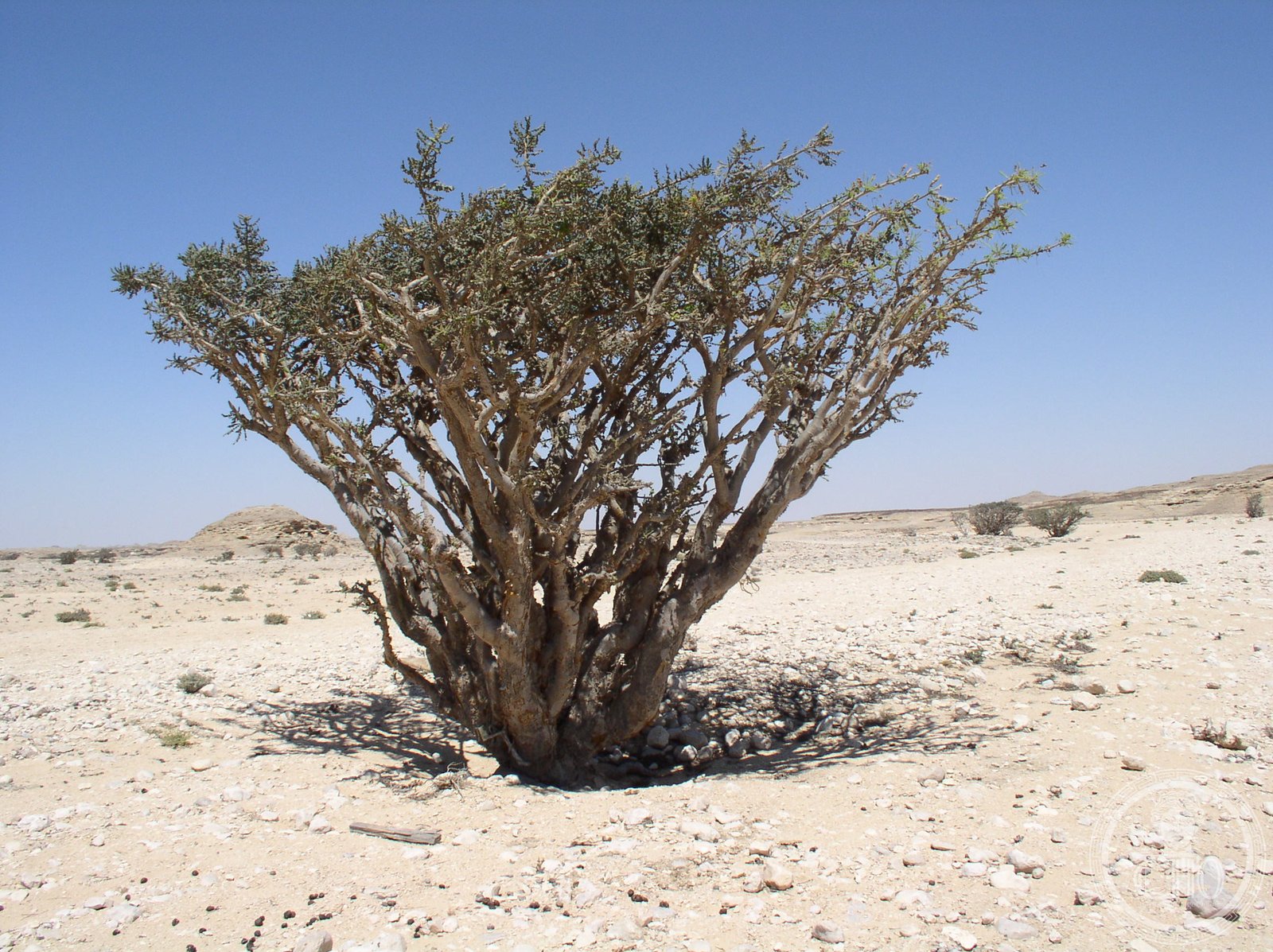
A UNESCO-protected landscape where frankincense trees, ancient caravan routes, and coastal ruins preserve the legacy of one of history’s most valuable trade commodities.
At a glance
The Land of Frankincense encompasses frankincense forests, the archaeological site of Khor Rori, and the remains of a caravan oasis. Together they document the medieval incense trade that enriched Arabian merchants and connected distant markets across Asia, Africa and the Mediterranean.
History
Frankincense has been harvested in Oman for millennia, its resin prized for religious rituals, medicine and perfume. The site’s caravan oasis served merchants traveling the Incense Road, supporting the infrastructure that moved this precious commodity across continents.
The site was inscribed as a UNESCO World Heritage Site in 2000 under the name Frankincense Trail, then renamed in 2005 to Land of Frankincense. While Somalia contains larger frankincense forests, Oman has established itself as the primary global source, leveraging geographic and political advantages.
What you see
The landscape features extensive frankincense trees, their bark characteristically scored to encourage resin production. Khor Rori presents coastal archaeological remains, while the oasis structures reveal how merchants organized shelter, storage and supplies across desert routes.
Cultural significance
The Land of Frankincense represents a crucial intersection of environmental resource, trade infrastructure and cultural exchange. It testifies to the economic power of aromatic resins in pre-modern global commerce and the ingenuity required to sustain commerce across harsh terrain.
Key facts
- Country: Oman
- Coordinates: 18.25°N, 53.65°E
- UNESCO World Heritage Site: Yes (inscribed 2000)
- Components: frankincense forests, Khor Rori archaeological site, caravan oasis remains
Practical information & getting there
The site lies in Dhofar province in southern Oman. For current access conditions, visiting hours and any required permissions, consult Oman’s Ministry of Heritage and Culture or local tourism offices before planning your visit.
Sources & resources
Find it on the map
See this place and what’s around it →📷 Become a Cultural Heritage Online photographer
Share your photos of places: they stay published under your name as the author. The more they're seen, the more you get noticed — and soon a contest will reward the most appreciated photos.
Log in or sign up free to add a photo