
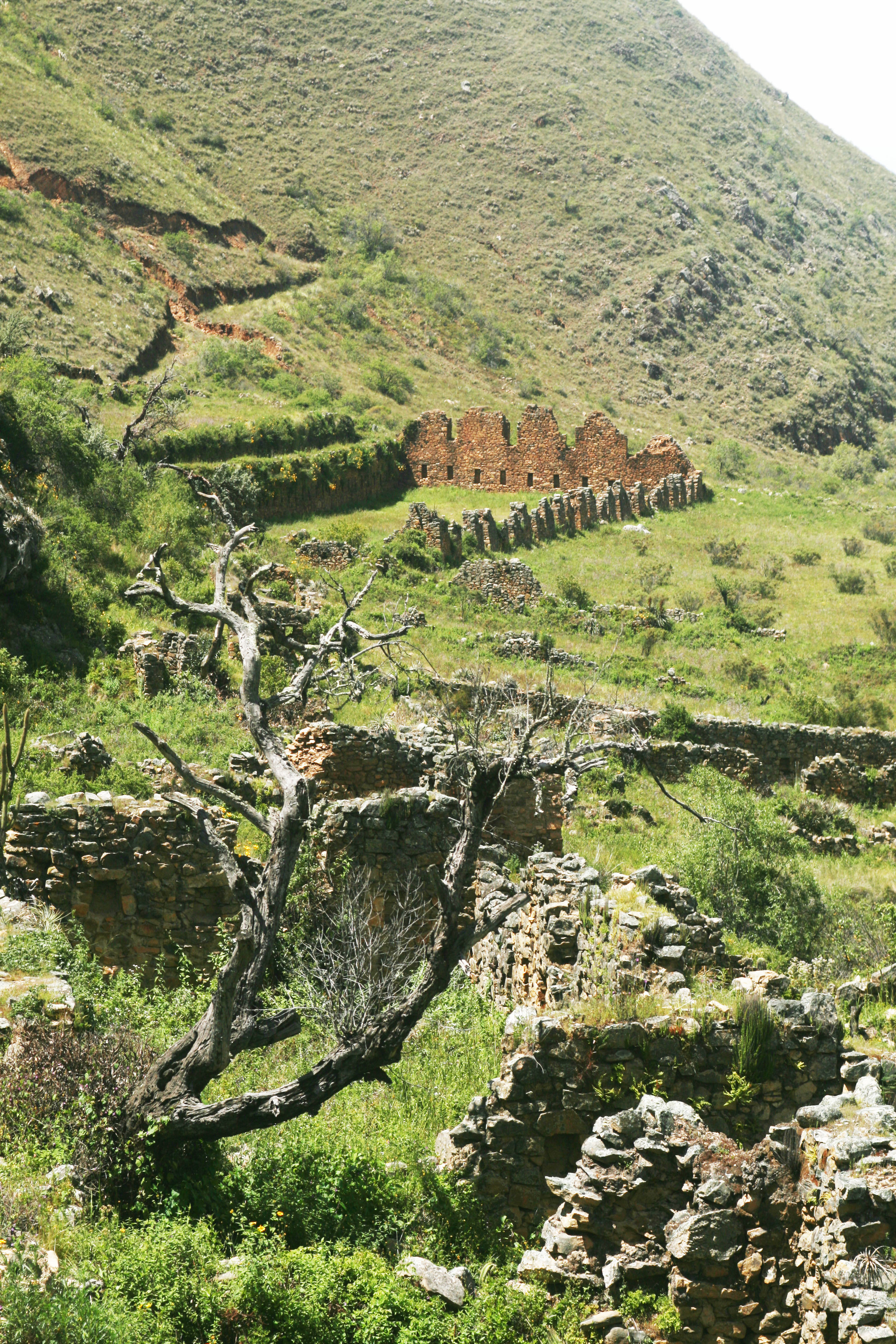
A monumental Inca ceremonial centre in central Bolivia, featuring one of the hemisphere’s largest pre-Columbian roofed structures and astronomical observation platforms.
At a glance
Inkallaqta stands approximately 130 kilometres east of Cochabamba in Bolivia’s Carrasco Province. The site was dedicated to ceremonial and calendrical rituals, as evidenced by its carefully arranged ritual platforms and architectural alignments. Its remote location in the Andean foothills reflects its sacred purpose within Inca religious practice.
History
The site was most recently excavated by Larry Coben, whose research revealed that Inkallaqta functioned as a centre for performing rites tied to the ceremonial calendar. The architectural evidence—particularly the precise placement of structures—suggests sophisticated planning aligned with Inca cosmological beliefs and seasonal observations.
What you see
The Kallanka dominates the site: a rectangular roofed hall measuring 78 by 25 metres, it was the largest single roofed room in the western hemisphere when constructed. An ushnu, or ritual platform, served ceremonial functions. The six-sided Torreon, positioned on the site’s western side, is believed to have held calendrical or astronomical significance. A distinctive zigzag wall runs immediately north of the complex, marking and protecting its boundaries.
Cultural significance
Inkallaqta exemplifies Inca engineering prowess and their integration of architecture with celestial observation. The site’s structures reveal how the Inca embedded cosmological knowledge into the built environment, creating spaces where ritual, ceremony, and astronomical cycles converged.
Key facts
- Location: Pocona Municipality, Carrasco Province, Cochabamba Department, Bolivia
- Coordinates: -17.605, -65.41583333
- Principal structure: Kallanka hall, 78 × 25 metres
- Key features: Ushnu platform, six-sided Torreon, protective zigzag wall
Practical information & getting there
The site lies in the Cochabamba Department, roughly 130 kilometres from the city of Cochabamba. Access requires travel through the Carrasco Province into rural mountain terrain. For current visiting arrangements and local conditions, contact regional tourism offices in Cochabamba.
Sources & resources
Find it on the map
See this place and what’s around it →
📷 Become a Cultural Heritage Online photographer
Share your photos of places: they stay published under your name as the author. The more they're seen, the more you get noticed — and soon a contest will reward the most appreciated photos.
Log in or sign up free to add a photo