
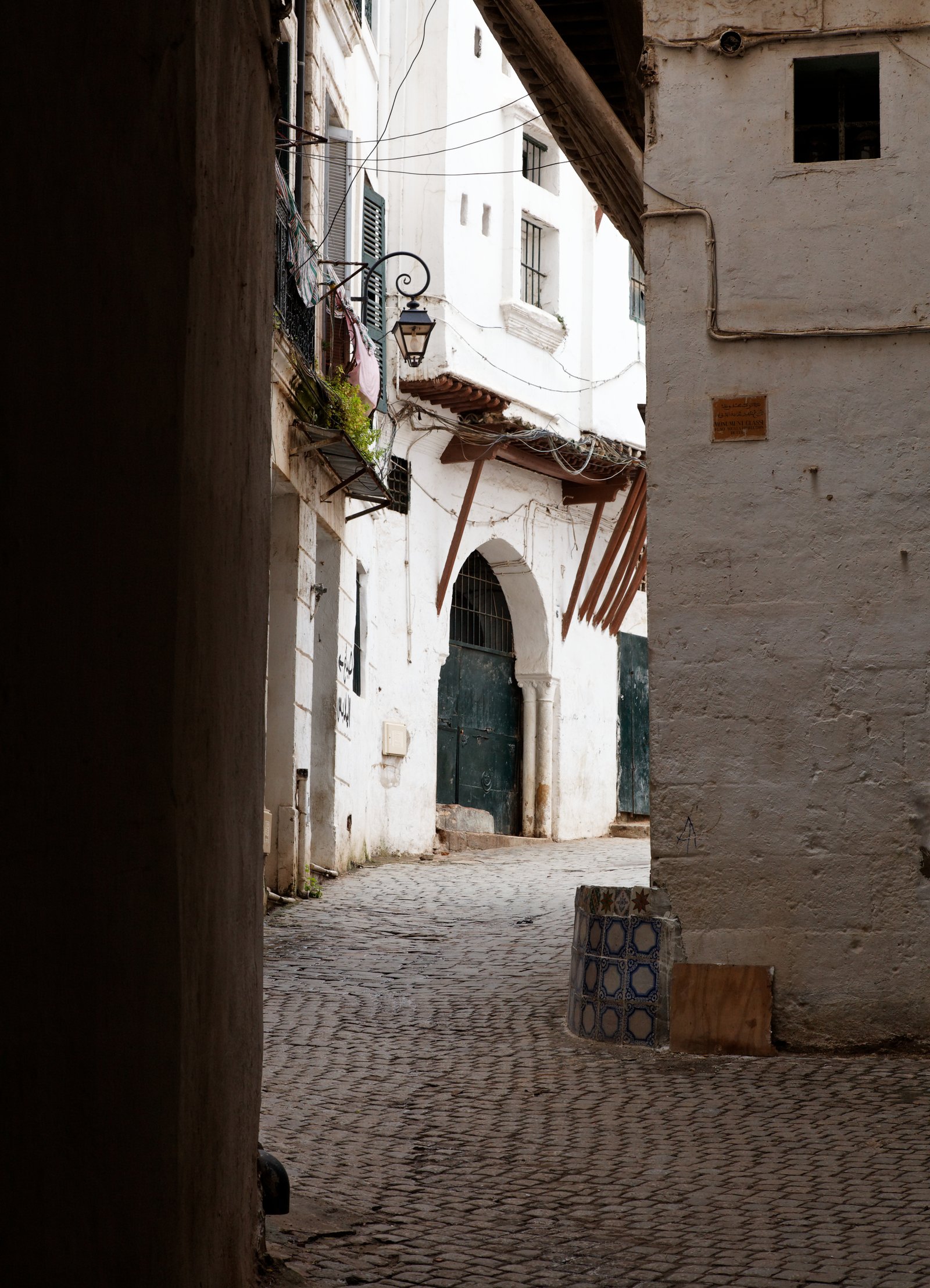
The old medina of Algiers, founded by the Zirids in 944, this UNESCO-listed citadel embodies Arab-Berber urban planning and remains a living symbol of Algerian culture and independence.
At a glance
The Casbah—meaning citadel in Arabic—is the historic heart of Algiers, designated a UNESCO World Heritage Site in 1992. Winding streets, traditional architecture, and artisanal crafts define this densely built medina that once served as the seat of power during the Regency period.
History
The site was likely inhabited since the Neolithic, but the city’s documented history begins in Antiquity as a Phoenician port, later becoming Berber and Roman. The Zirids established the current urban framework in the 10th century, which successive Berber dynasties enriched over centuries.
The Casbah flourished during the Regency of Algiers as the political and administrative center. French colonization in 1830 gradually displaced its importance as new power centers developed elsewhere. During the Algerian War of Independence, the Casbah became a stronghold for FLN fighters. After independence in 1962, it remained a marginalized area despite its historical significance.
What you see
The Casbah exemplifies Islamic architecture and urban planning characteristic of Arab-Berber medinas. Dense, intricate street networks, traditional residential architecture, and preserved artisanal workshops demonstrate centuries of cultural continuity and craftsmanship.
Cultural significance
More than a historic district, the Casbah is a symbol of Algerian identity and a source of artistic inspiration. Its tangible heritage—buildings and streetscapes—and intangible heritage—traditional crafts and community practices—remain central to understanding modern Algeria’s relationship with its past.
Key facts
- Country: Algeria
- City: Algiers
- Coordinates: 36.7869°N, 3.0606°E
- Founded: 944 (Zirid dynasty)
- UNESCO World Heritage Site: 1992
Practical information & getting there
The Casbah is located within the municipality of Casbah in Algiers province. Visitors should check current accessibility and local conditions before planning a visit. Local preservation efforts continue to document and sustain both the physical structures and living cultural practices of this historic medina.
Sources & resources
Find it on the map
See this place and what’s around it →📷 Become a Cultural Heritage Online photographer
Share your photos of places: they stay published under your name as the author. The more they're seen, the more you get noticed — and soon a contest will reward the most appreciated photos.
Log in or sign up free to add a photo