
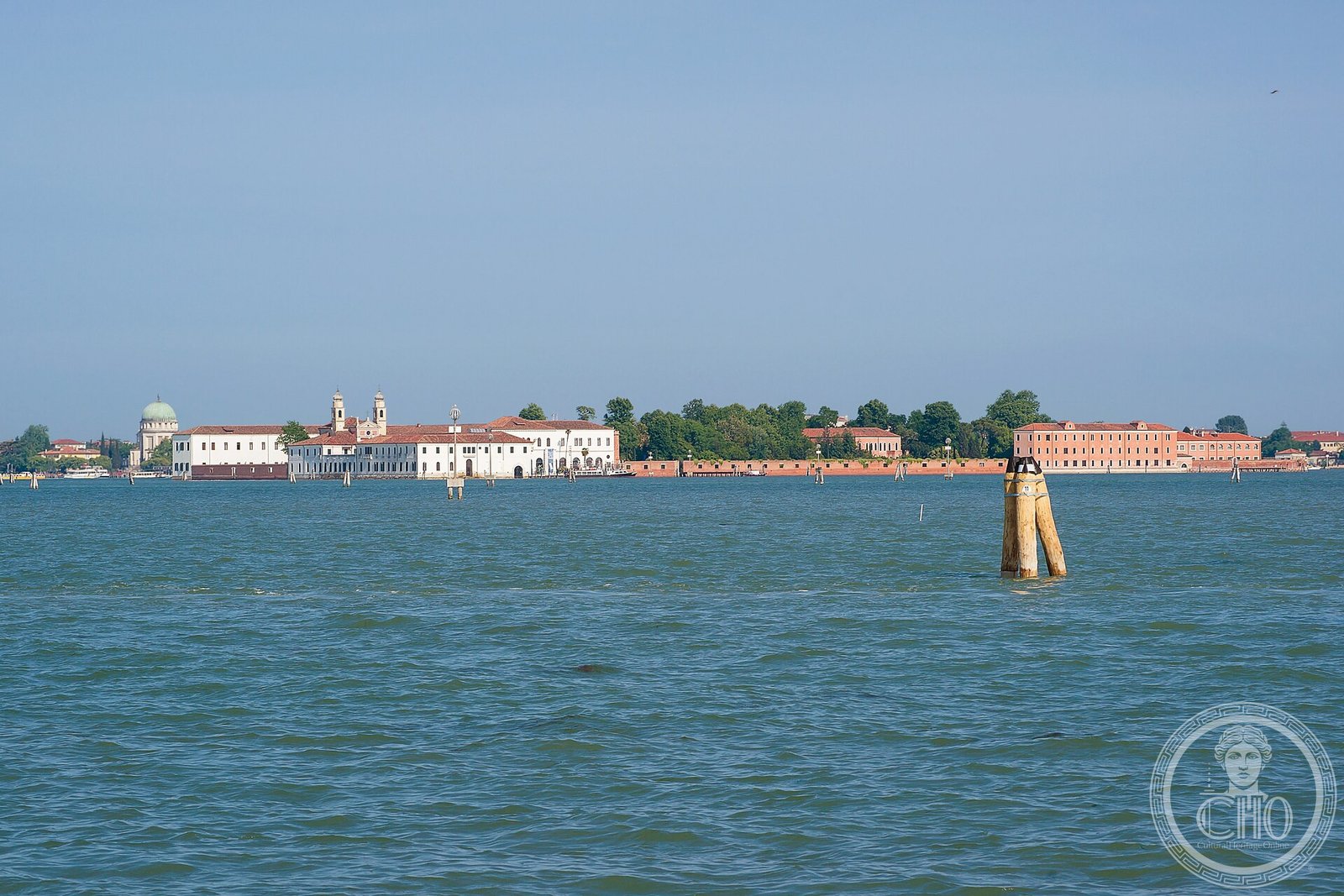
Two eclectic villas and a garden built for the Hériot family on the site of a former soap factory, given to the city in 1947 and now home to cultural institutions.
At a glance
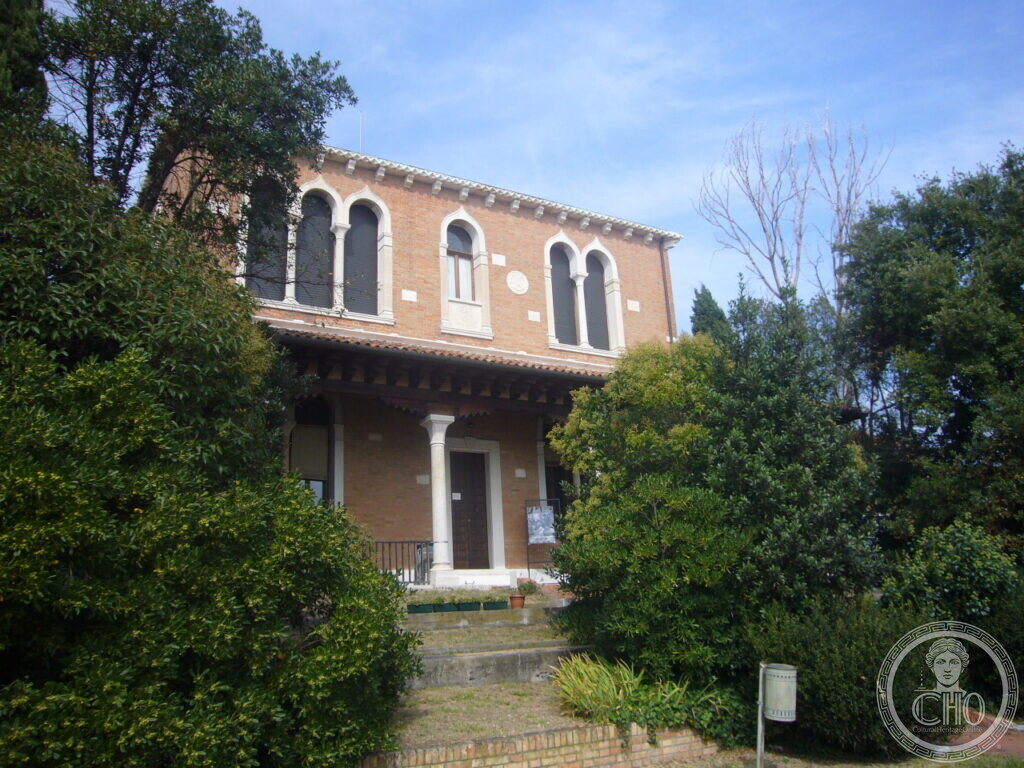
Villa Hériot Waterfront stands as testament to Venice’s appeal to wealthy foreign residents in the early 20th century. Built in the late 1920s with distinctive Byzantine-influenced decoration, the complex — two villas set in a garden — later served as a public school and now houses multiple cultural organisations, including the institute that keeps the memory of twentieth-century Venice.
History
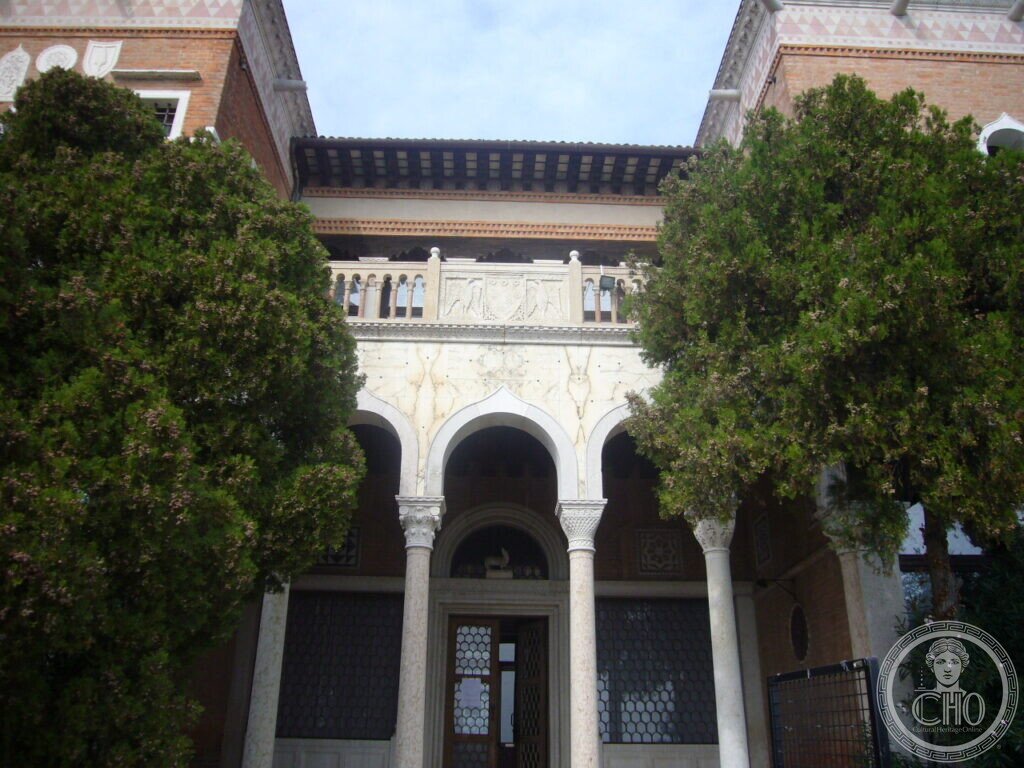
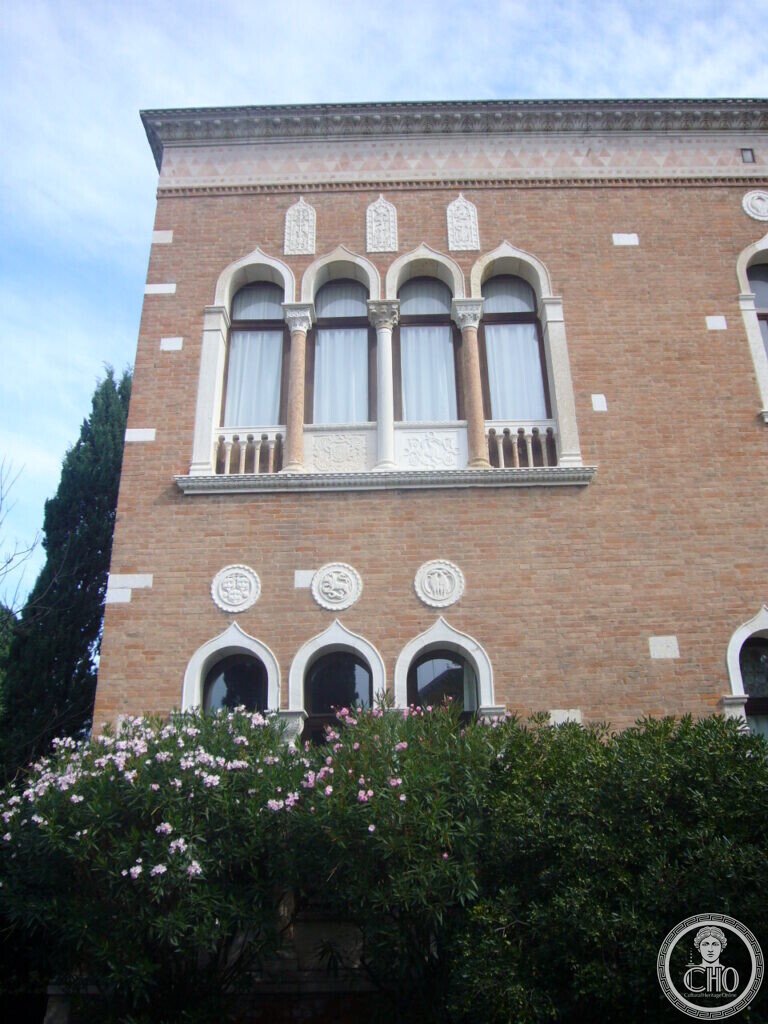
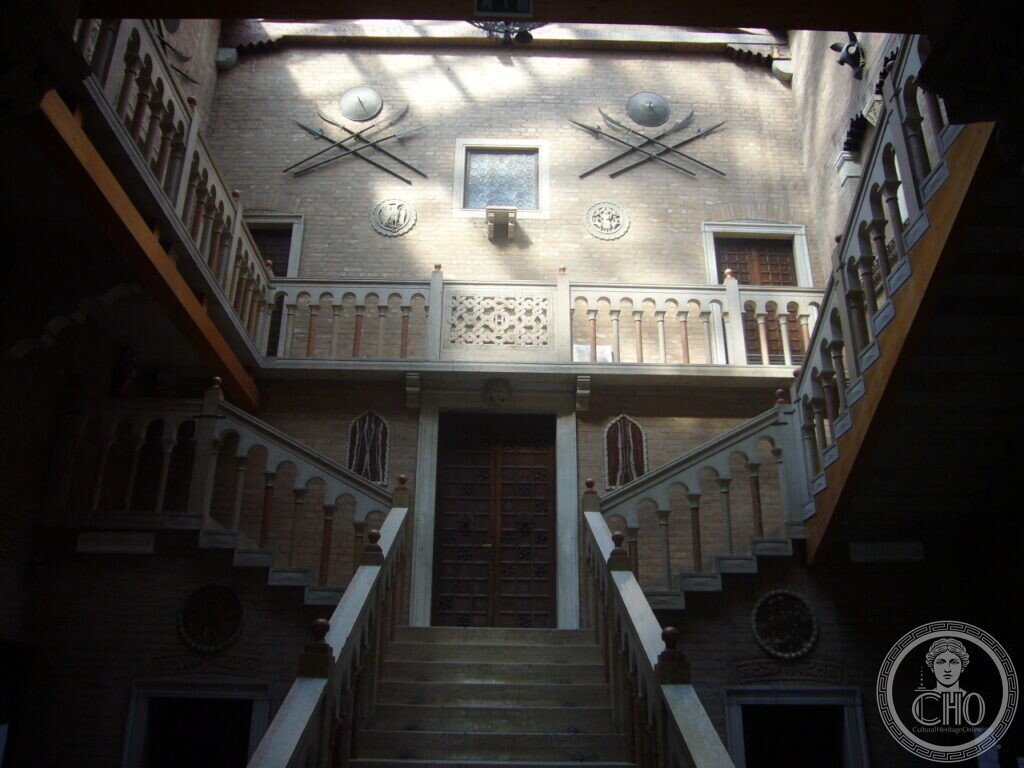
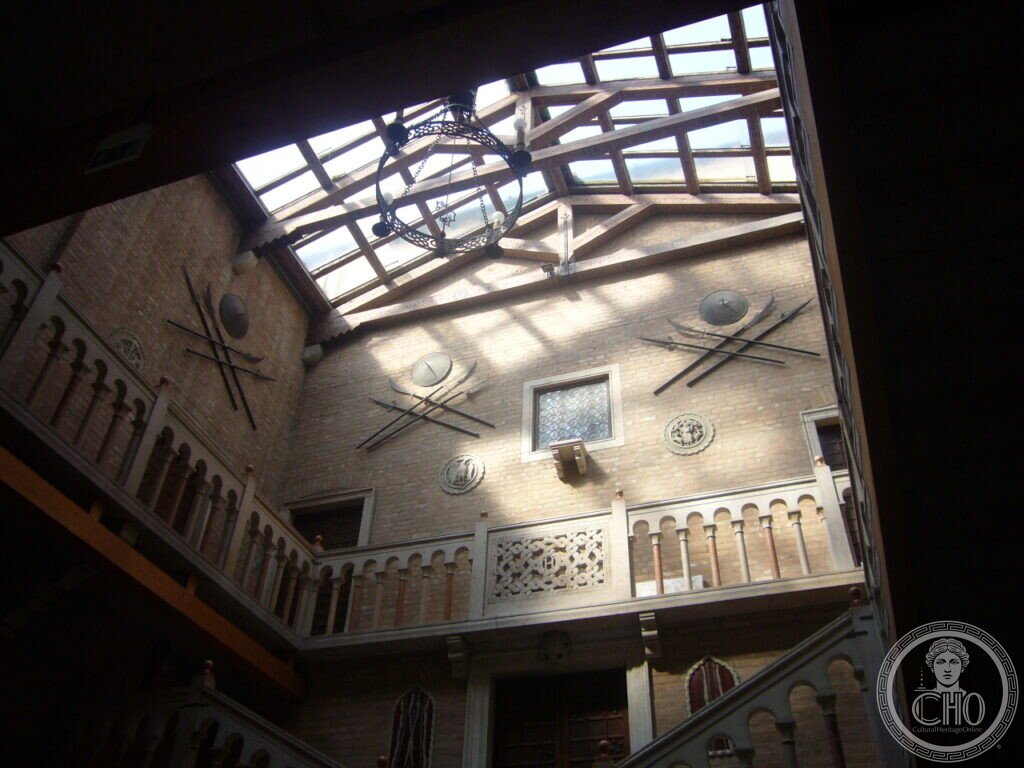
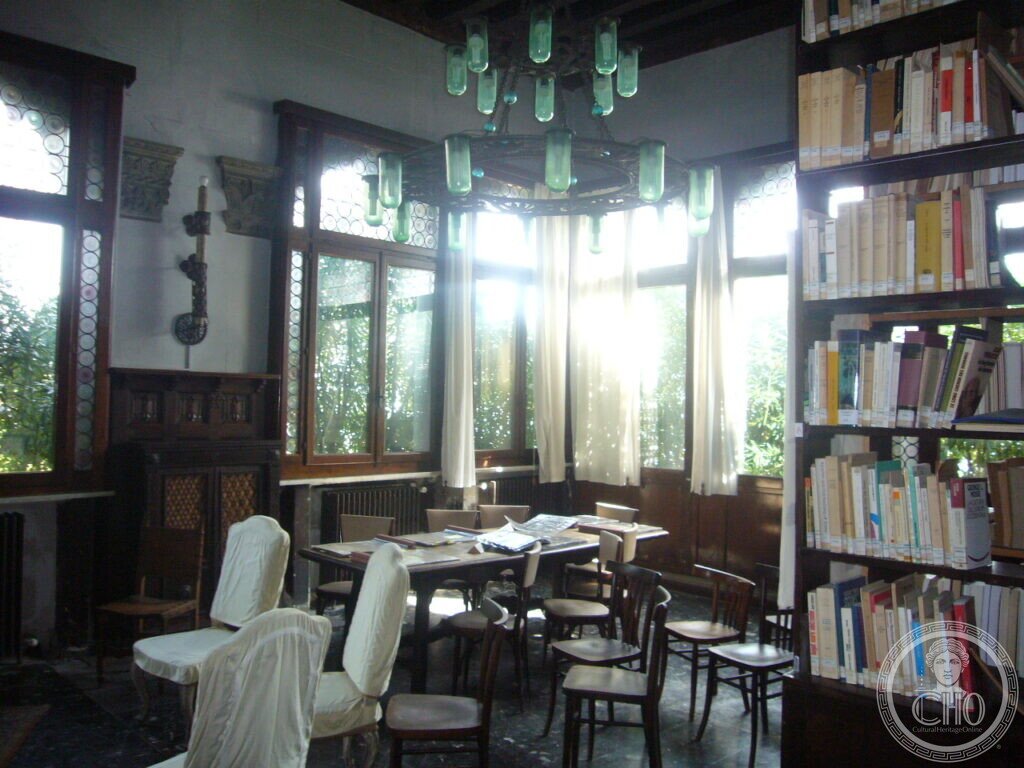
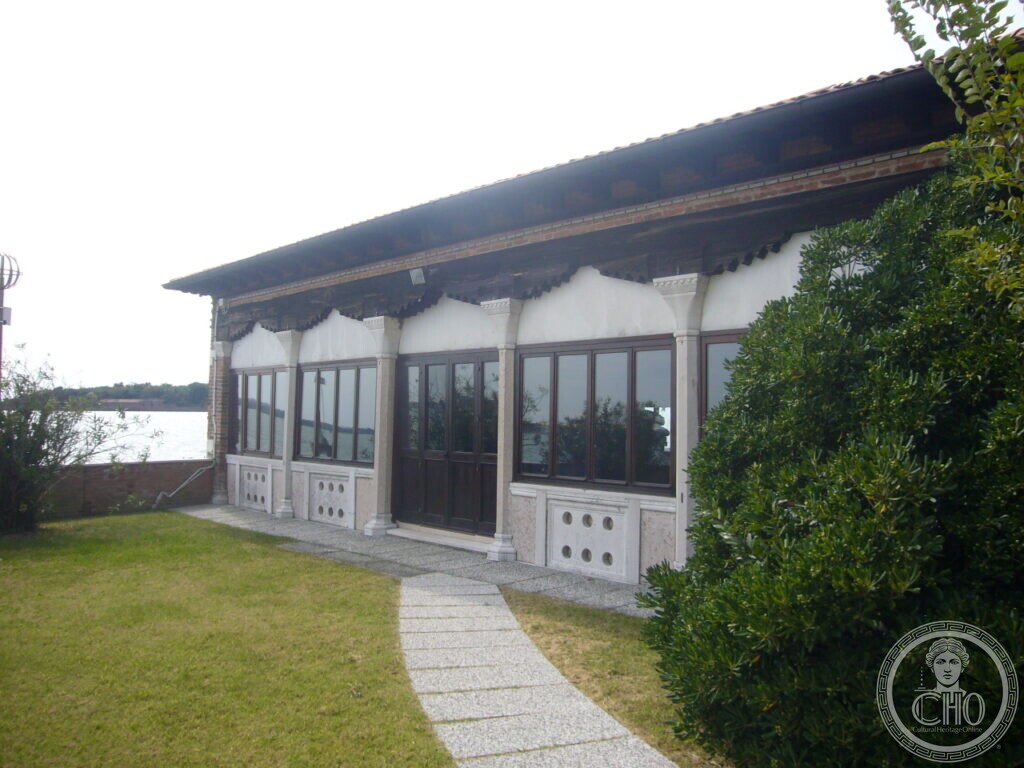
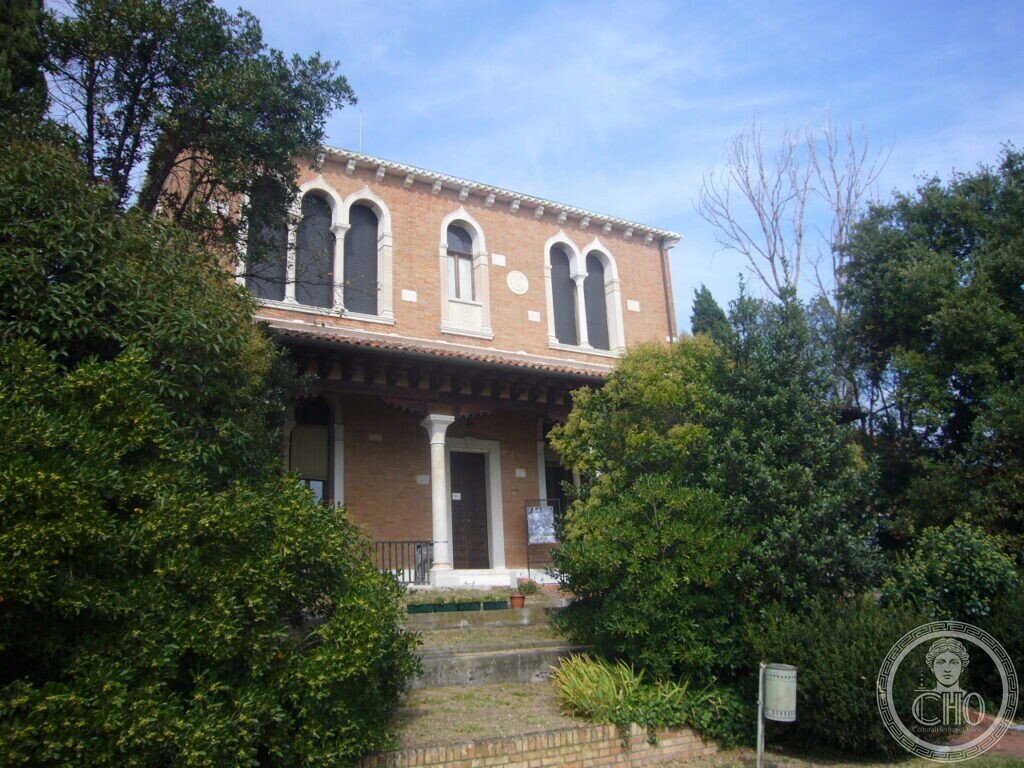
The French Hériot family bought the former soap-factory site on Giudecca and had it developed between 1926 and 1929, to a design by Raffaele Mainella with engineer Mario Radaelli and surveyor Merlo. The result was two villas in an eclectic, pseudo-Byzantine-Venetian style — columns of Istrian marble, capitals, beams and carved patere — set in a decorative garden. In 1947 the heirs transferred the two villas to the City of Venice; in 1949 the municipality allocated them as public schools. The main villa became the Carlo Goldoni elementary school, open until the late 1980s; the smaller dependance housed first the open-air “D. Manin” school, then, from 1984, the Bettini municipal pedagogical library.
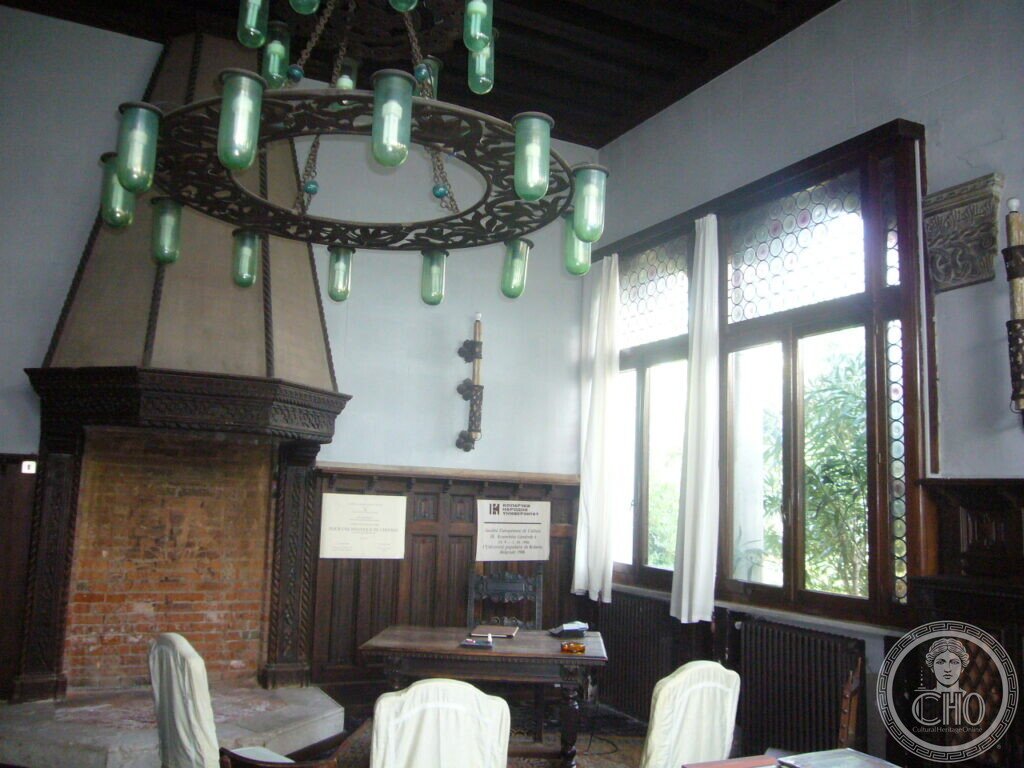
Since 2007 the complex has been the Casa della Memoria e della Storia del ‘900 veneziano (“House of Memory and History of 20th-century Venice”), run in part by IVESER — the Istituto veneziano per la storia della Resistenza e della società contemporanea — alongside the Università Internazionale dell’Arte (Venice campus) and the Société Européenne de Culture.
What you see
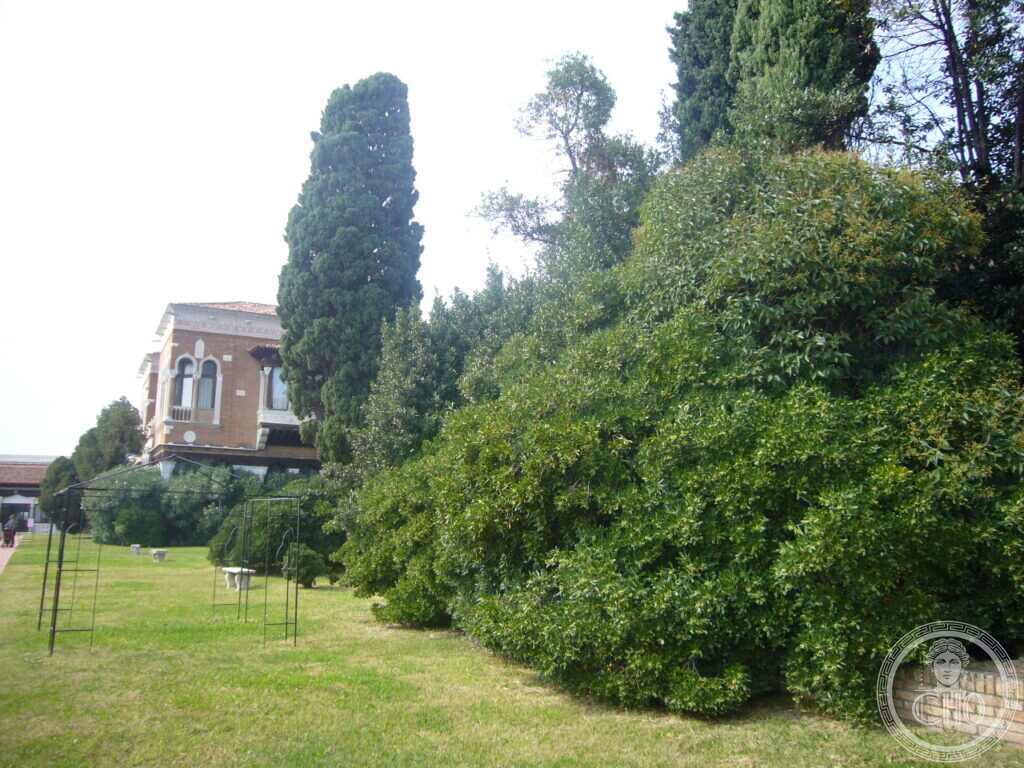
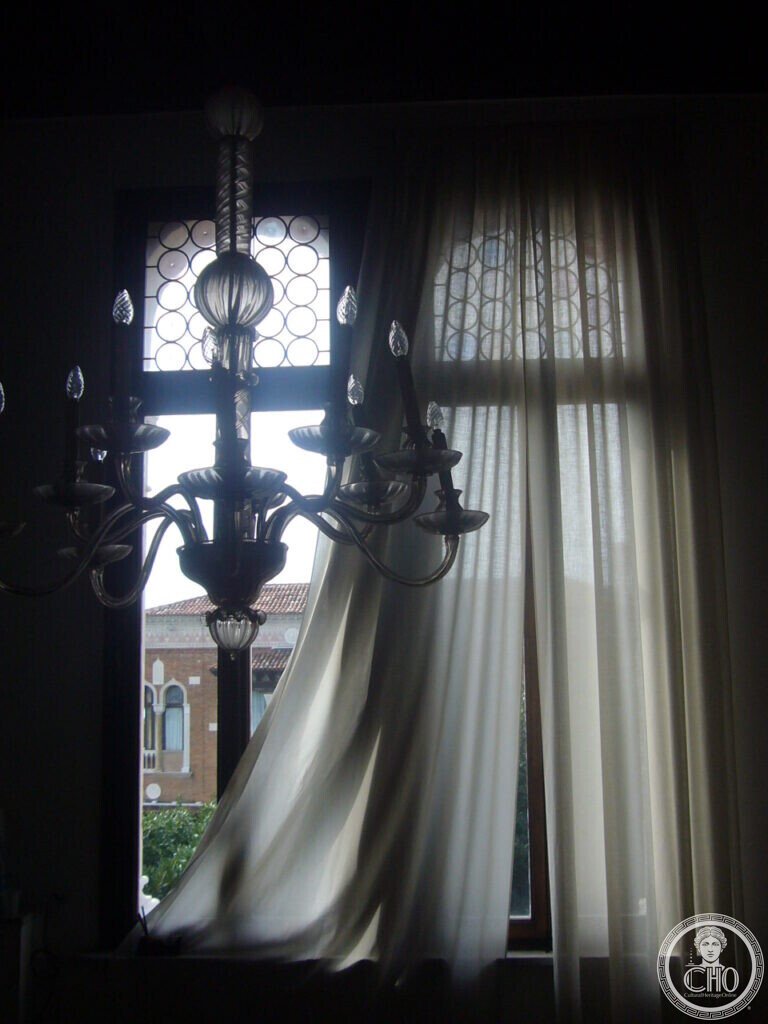
Mainella’s design reflects eclectic architectural principles popular among Venetian villas of the period. The structures display abundant decorative elements—rosettes, ceramic plaques, slender columns, and Byzantine-inspired motifs. These ornamental details animate the waterfront façade and distinguish the villa from Venice’s historic palazzo tradition. Around both buildings, the garden that gave the complex its “decorative orchard” character in Mainella’s own time still opens onto the lagoon: lawns, hedges and a single-storey pavilion facing the water, with the smaller second villa set apart among the trees.
Cultural significance
Villa Hériot exemplifies the early 20th-century phenomenon of wealthy foreigners building second homes in Venice, often on reclaimed industrial sites. Its transition from private residence to public school, and then to a house of memory and cultural institute, reflects changing attitudes toward heritage and civic use in twentieth-century Venice.
Key facts
- Address: Villa Heriot, Calle Michelangelo, 54/P, 30133 Venice
- Coordinates: 45.4239952, 12.3400021
- Built: 1926–1929, for the Hériot family
- Architect: Raffaele Mainella, with Mario Radaelli and Merlo
- Transferred to the City of Venice: 1947
- Today: Casa della Memoria e della Storia del ‘900 veneziano (from 2007), IVESER, Università Internazionale dell’Arte, Société Européenne de Culture
- Phone: 041 5201959
- Official website: https://www.labiennale.org/it/bacheca/405
Practical information
The villa currently operates as home to multiple cultural organisations. Hours and visiting arrangements should be confirmed directly with the institutions housed here; IVESER organises guided tours of the complex.
Getting there
Villa Hériot Waterfront is located on Giudecca, accessible by vaporetto (water bus) from central Venice. The site overlooks the Giudecca Canal and is situated near Calle Michelangelo.
See the place
Photo gallery
Sources & resources
- Wikipedia (IT) — Villa Hériot: https://it.wikipedia.org/wiki/Villa_H%C3%A9riot — current occupants, general history
- Fondo Mainella e Carlini (archivio familiare dell’architetto) — Ville Hériot alla Giudecca: https://www.mainella.org/2020/12/26/ville-heriot-giudecca-venezia/ — costruzione 1926–1929, progettisti, passaggi d’uso fino al 1984
- IVESER — Le ville Hériot alla Giudecca: https://www.iveser.it/class/le-ville-heriot-alla-giudecca-2025/ — datazione anni ’20, stile architettonico
- Official website: https://www.labiennale.org/it/bacheca/405
Find it on the map
See this place and what’s around it →
📷 Become a Cultural Heritage Online photographer
Share your photos of places: they stay published under your name as the author. The more they're seen, the more you get noticed — and soon a contest will reward the most appreciated photos.
Log in or sign up free to add a photoIs this page about you?
This page is read by travellers and heritage enthusiasts who find it on Google. Tell us how you are connected to this place and we will take it from there.