Published in August 2023, this survey examines Italy’s artistic excellence and its role as a cultural heritage without equal in the world. From Renaissance masterpieces to contemporary works, Italian art has influenced artists, scholars and art enthusiasts across the globe, connecting the nation to its past while offering perspective on innovation and creativity for the future.
Centuries of Artistic Development
Italian art represents a mosaic of styles, movements and influences developed over centuries. The Italian Renaissance, led by Leonardo da Vinci, Michelangelo and Raphael, produced some of humanity’s most iconic works. Baroque art introduced dynamism and theatricality through artists including Caravaggio and Bernini. Neoclassical art revived forms and ideas from antiquity, while contemporary Italian art continues to challenge conventions and reflect modern complexities.
Beyond Painting: Diverse Artistic Forms
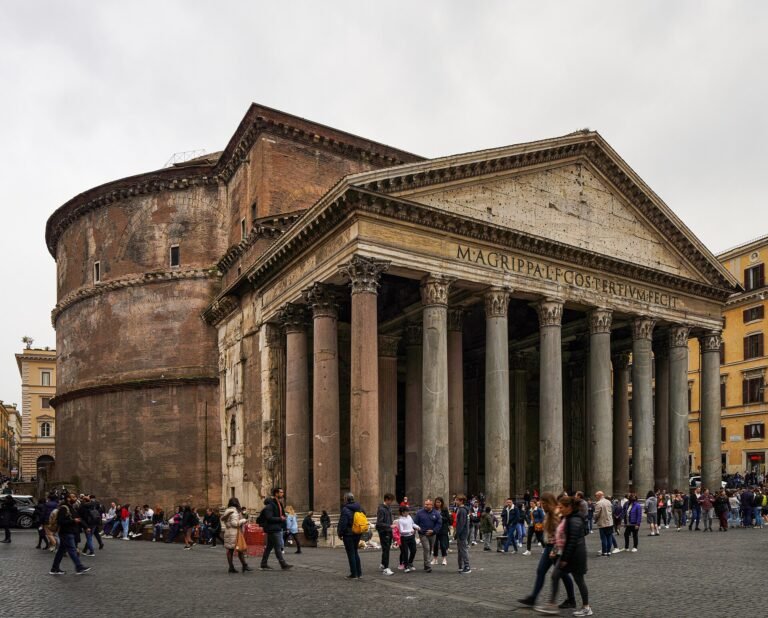
Italian artistic excellence extends beyond painting. Architecture—including the Colosseum, Milan Cathedral and the Pantheon—reflects timeless elegance and grandeur. Sculpture, ceramics, blown glass and mosaic represent additional forms in which Italy excels. The global influence of Italian aesthetics, associated with elegance, beauty and harmony, has shaped international art through techniques such as chiaroscuro, perspective and attention to detail.
Contemporary Creativity and Preservation
Contemporary Italian artists explore new expressive forms using modern technologies while addressing social and ecological issues. Preservation of Italy’s artistic heritage remains a collective responsibility, with museums, cultural institutions and restoration efforts ensuring these works endure for future generations. International exhibitions, cultural exchanges and collaborations distribute Italian art worldwide, allowing diverse audiences to appreciate its beauty and significance.
Frequently asked questions
Which Renaissance masters defined Italian art?
Leonardo da Vinci, Michelangelo and Raphael were the principal Renaissance masters whose works became some of humanity’s most iconic creations.
What architectural structures exemplify Italian design?
The Colosseum, Milan Cathedral and the Pantheon reflect the elegance and grandeur characteristic of Italian architecture.
How does Italian art influence contemporary practice?
Italian aesthetic principles—including chiaroscuro, perspective and detailed craftsmanship—have shaped international art across centuries and continue to inform contemporary artistic approaches.