
Published in November 2021, this guide outlines the six-step process for creating a professional logo, from initial client consultation to final presentation.
Briefing and Competitor Analysis
The first step is a briefing between client and designer or agency, conducted either via video call or in person. This session establishes the client’s requirements, needs, and vision for the logo. Analyzing competitors follows as a crucial phase. Skipping competitor research risks producing a logo identical or too similar to existing designs, resulting in wasted effort and compromised professionalism. Reviewing competitor work also provides creative inspiration and alternative perspectives that stimulate design thinking.
Brainstorming and Sketching
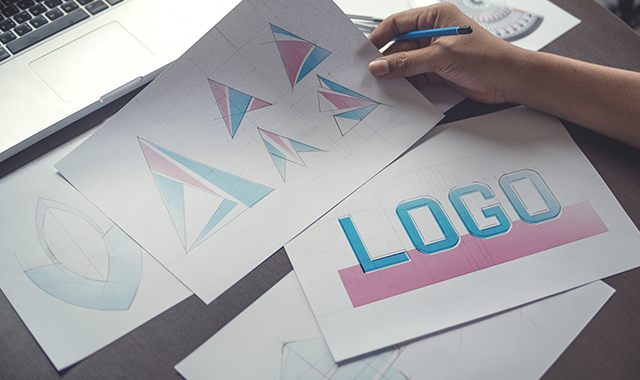
Brainstorming involves sketching all ideas on paper. These preliminary drawings, called sketches, are then evaluated, refined, and developed into variations. The best concepts are perfected and compiled into a final layout before moving to digital production.
Digitalization
This technical phase requires proficiency with design software capable of producing vector graphics. Vector format displays images through mathematical functions called vectors, composed of paths flowing through points. Vector images never pixelate when enlarged, making this format ideal for logos and their various applications. Designers also employ grids during this stage to facilitate logo construction.
Presentation
The final step involves presenting the logo design by describing the concept behind the proposal and explaining the creative reasoning. Presenting the design through graphic mockups showing how the logo appears on different media and applications helps clients visualize the end result.
On video
Frequently asked questions
Why is competitor analysis essential in logo design?
Competitor analysis prevents creating logos similar to existing designs, avoiding wasted effort and loss of professional credibility. It also provides creative inspiration by exposing designers to different perspectives and approaches.
What is vector graphics and why is it used for logos?
Vector graphics use mathematical functions to represent images through paths and points. Unlike raster images, vector files never pixelate when enlarged, making them essential for logos that must work across various sizes and applications.
What is the purpose of presenting a logo mockup?
Mockups show how the logo appears on different media and supporting materials, helping clients visualize the final result and understand how the design functions across various applications.
Sources
- S1 — Munari, Bruno. Design as Art. Penguin Modern Classics, 2008. ISBN 978-0-14-103581-9.
- S2 — Tanchis, Aldo. Bruno Munari: From Futurism to Art Design. MIT Press, 1987. ISBN 978-0-262-20065-3.
Spotted an error? Write to editorial@culturalheritageonline.com and we correct it the same day.


