
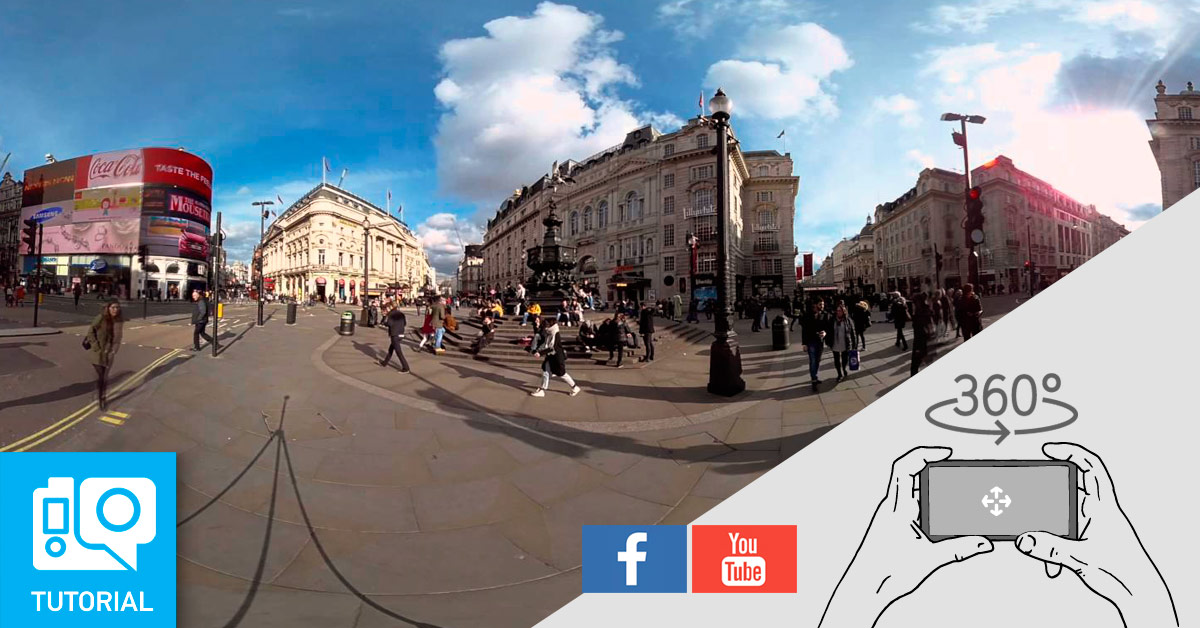
As of September 2021, 360-degree video had become one of the most discussed topics among forward-thinking marketers and content creators. While brands emphasizing visual elements—such as those in tourism, real estate, design, furniture, sports, and event organization—were natural adopters of this technology, a growing number of companies across diverse sectors were discovering its advantages for engaging audiences and showcasing products and services interactively.
Current Video Marketing Trends
Video marketing was becoming increasingly central to corporate communication strategies, as it allowed companies to create relevant content for users. Major platforms including Facebook, Twitter, and YouTube continuously released new features to meet audience demand for visual content. Short-form video had gained prominence through platforms like Twitter, Vine, and Snapchat, which constrained video length and forced creators to focus on essential information. This trend was driven partly by mobile viewing: as of 2014, 55 percent of videos were watched on mobile devices, where users had less time and patience for lengthy content.
Live streaming and augmented reality videos represented another significant development. Originally limited to platforms like Meerkat, Periscope, and Twitch, live video functionality became available through Facebook Mentions starting in August 2016. That same year saw an explosion in augmented reality video technology. By combining these approaches, companies could offer users real-time, first-person experiences while monitoring user interaction and behavior.
Expanding Applications Beyond Content
Video was increasingly viewed as more than a delivery mechanism for instructional guides, interviews, and webinars. Customer support teams could use video for face-to-face communication with users, while human resources departments could leverage it for internal company communication. Personalization of video content had become essential, as users sought attention tailored to their specific needs. Facebook and Google newsfeeds used search history and past interactions to determine content ordering, making it critical for companies to develop video content based on detailed user data analysis.
Many industry observers predicted that 360-degree video would become standard practice, a prediction supported by YouTube and Facebook’s development of features to support and reproduce this format.
Frequently asked questions
What sectors benefit most from 360-degree video?
Tourism, real estate, design and furniture, sports, and event organization have been identified as sectors that particularly benefit from 360-degree video due to their emphasis on visual elements.
Why are shorter videos more effective?
Platforms like Twitter, Vine, and Snapchat demonstrated that shorter videos perform better because they force creators to focus on essential information, and as of 2014, 55 percent of videos were watched on mobile devices where users have limited patience.
How can businesses use video beyond content marketing?
Customer support teams can use video for direct face-to-face communication with users, and human resources departments can employ it to improve internal company communication.