
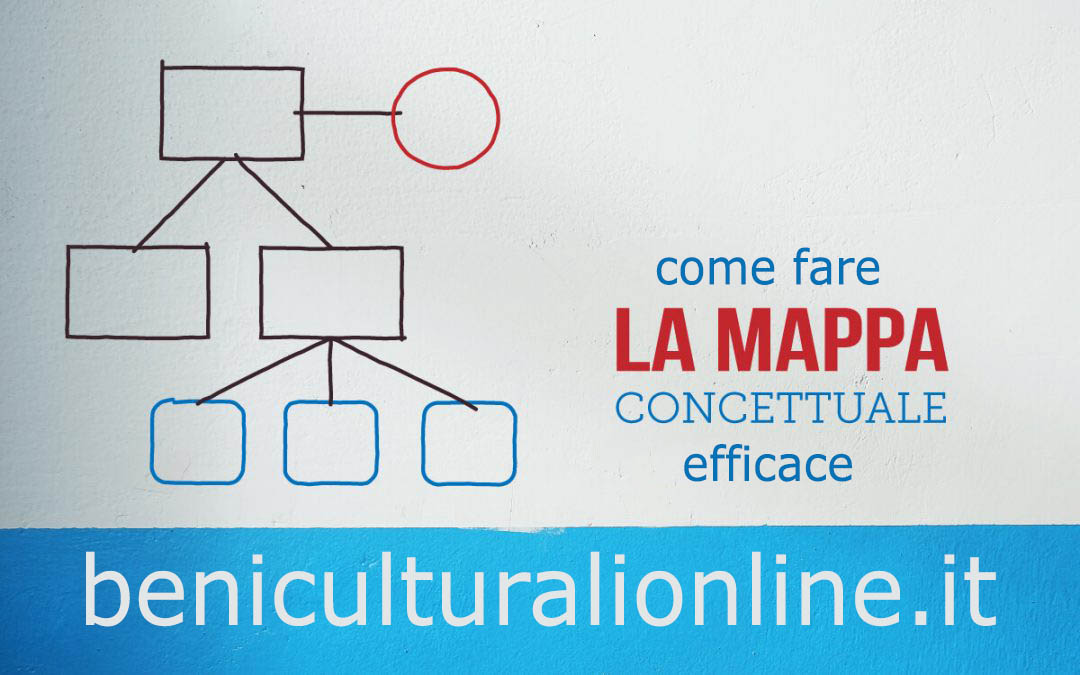
Published in December 2019, this article examines concept maps as a fundamental study tool for students from primary through university level. Concept maps are visual instruments designed to organize and represent knowledge by highlighting the principal concepts of a subject and the connections between them. The tool was developed by Joseph D. Novak, professor emeritus at Cornell University, in the late 1960s and early 1970s. Novak recognized that effective learning requires understanding the relationships between concepts, not merely memorizing them as isolated facts.
Concept Maps vs. Mind Maps
Concept maps are frequently confused with mind maps, though they serve different purposes. Concept maps, created by Novak, are primarily designed to facilitate learning by representing knowledge through hierarchical relationships. They identify important concepts, establish their hierarchical order, and explain the nature of relationships between them. Mind maps, developed around the same period by Tony Buzan, are designed primarily for memorization. They feature a central concept with sub-concepts radiating outward, supplemented by icons, drawings, and colors to aid memory. Rather than choosing one approach exclusively, students benefit from a hybrid model that supports both comprehension and memorization.
Creating an Effective Concept Map
An effective concept map consists of two essential elements: conceptual nodes and associative relationships. Conceptual nodes represent the most important concepts of a subject, labeled with 2-3 words maximum using nouns and adjectives. Associative relationships are the connecting lines labeled with text explaining the connection between concepts, using verbs. The practical steps for creating a concept map involve: first, after reading a chapter, list 10-20 most important concepts using 2-3 words per concept; second, arrange these on an A4 sheet with the most important concepts at the top and less important ones below, optionally enclosing key concepts in circles and secondary concepts in rectangles; third, draw lines connecting concepts and add text explaining the nature of each connection; fourth, identify cross-connections between different concept groups; and finally, incorporate icons, stylized drawings, and colors to enhance memorization.
Software Tools and Alternatives
While numerous software programs exist for creating concept maps, research demonstrates that handwritten concept maps activate cognitive processes that improve comprehension and memorization more effectively than digital versions. Available software includes C-Map Tools, created by the University of Florida specifically for concept mapping; Mindomo, which supports both concept and mind maps; MindMeister, offering pre-set templates and sharing capabilities; XMind, a popular program with integration to Microsoft Office; FreeMind, designed for advanced users; WiseMapping, a free web application requiring no installation; Edraw, an advanced graphical tool; VUE, another academic software; and Mind Maple, which allows stylus-based mapping on tablets. Despite these options, handwritten maps on paper remain the most effective method.
On video
Frequently asked questions
Are concept maps suitable for all students?
Concept maps are not appropriate for all students or all subjects. They are particularly effective for students with a visual learning style, but other cognitive styles may benefit from different study techniques. The effectiveness of concept maps depends on both the subject matter and the student’s dominant cognitive learning style.
How do concept maps differ from mind maps in purpose?
Concept maps are designed to support learning and understanding by showing relationships between concepts, while mind maps are designed to facilitate memorization through visual elements like colors and drawings organized around a central concept.
What is the most effective way to create a concept map?
Research shows that handwritten concept maps created with paper and pencil are more effective for learning than digital versions, as they activate cognitive processes that improve comprehension and memorization.
Sources
- S1 — Novak, Joseph D., and D. Bob Gowin. Learning How to Learn. Cambridge University Press, 1984. ISBN 978-0-521-31480-0.
- S2 — Jonassen, David H. Computers as Mindtools for Schools: Engaging Critical Thinking. Prentice Hall, 2000. ISBN 978-0-13-083404-1.
Spotted an error? Write to editorial@culturalheritageonline.com and we correct it the same day.


