
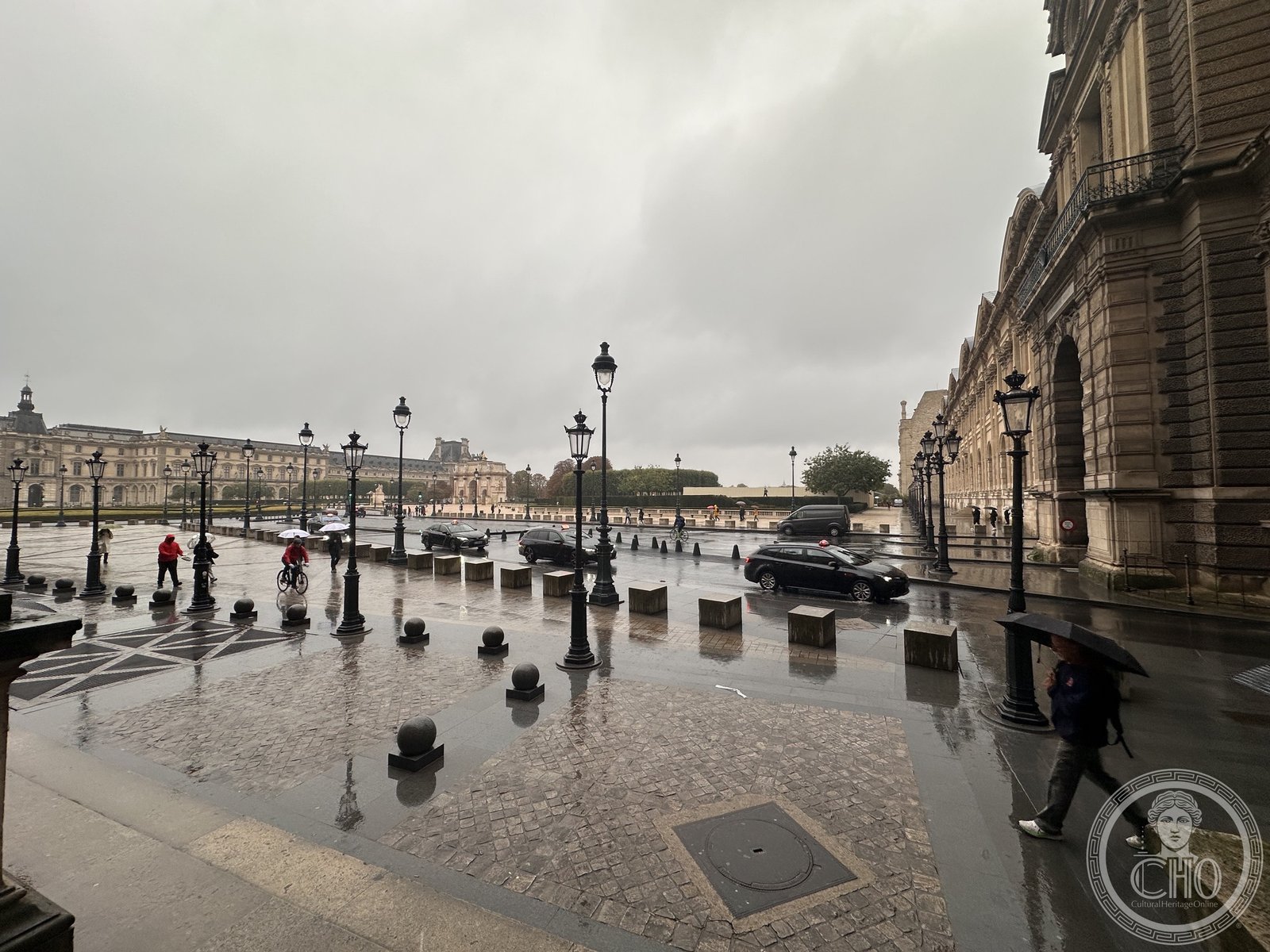
The Louvre Pyramid is a large glass-and-metal entrance way and skylight designed by Chinese-American architect I. M. Pei. Located in the main courtyard of the Louvre Palace in Paris, the pyramid serves as the primary entrance to the Louvre Museum and is surrounded by three smaller pyramids. Completed in 1989 as part of the Grand Louvre project, it has become one of the most recognizable landmarks in Paris and a symbol of the museum’s modernisation.
At a glance
- Type
- Glass and steel pyramid entrance structure
- Period
- Completed 1989
- Style
- High-tech modernism
- Location
- Cour Napoléon, Louvre Palace, Paris, France
- Coordinates
- 48.8609° N, 2.3359° E
Overview
The Louvre Pyramid stands 21.6 metres tall in the central Napoléon Courtyard of the Louvre Palace, serving as the primary entrance to one of the world’s largest and most visited art museums. Designed by I. M. Pei and constructed from glass segments and metal tubing, the structure admits natural light into the underground reception hall below. It is surrounded by three smaller pyramids and three triangular reflecting pools that extend the geometric composition across the courtyard.
History
President François Mitterrand commissioned the pyramid in 1983 as the centrepiece of the Grand Louvre project, a major renovation intended to modernise the museum’s visitor infrastructure. I. M. Pei was selected through a personal invitation rather than an open competition, a decision that generated considerable public controversy in France. Construction began in 1984 and the pyramid opened to the public on 15 October 1988, with the full surrounding complex completed in 1989. Initial public reaction was mixed, but the pyramid has since gained widespread acceptance as an architectural achievement.
What you see
The main pyramid consists of 603 rhombus-shaped and 70 triangular glass segments set in a steel framework, rising to a peak 21.6 metres above the courtyard. Beneath it, a large circular reception hall connects through underground galleries to the Richelieu, Sully, and Denon wings of the museum. The three smaller satellite pyramids to the north, south, and east mirror the geometry of the main structure, while an inverted pyramid — the Pyramide Inversée — provides additional light to the Carrousel du Louvre shopping centre below.
Cultural significance
The Louvre Pyramid is widely regarded as one of the most successful examples of contemporary architecture inserted into a historic monument, influencing how museums worldwide approach visitor experience design. It represents a bold juxtaposition of ancient Egyptian form and 20th-century materials, and has appeared in countless works of popular culture, most notably as a plot element in Dan Brown’s novel The Da Vinci Code. Its success helped establish I. M. Pei’s international reputation and set a precedent for ambitious architectural interventions within historic European complexes.
Practical information
- Address
- Cour Napoléon, 75001 Paris, France
- Admission
- Included with Louvre Museum entry ticket; free for visitors under 18 and EU residents under 26
- Website
- louvre.fr
Getting there
The Louvre Pyramid is accessible via Paris Métro line 1 (Palais Royal–Musée du Louvre station), which deposits visitors directly at the museum entrance. Bus lines 21, 24, 27, 39, 48, 67, 69, 72, 74, 76, 81, 85, and 95 serve the surrounding area. The museum is also reachable on foot from the Tuileries Garden or via the underground Carrousel du Louvre entrance from Rue de Rivoli.
Sources & resources
Gallery
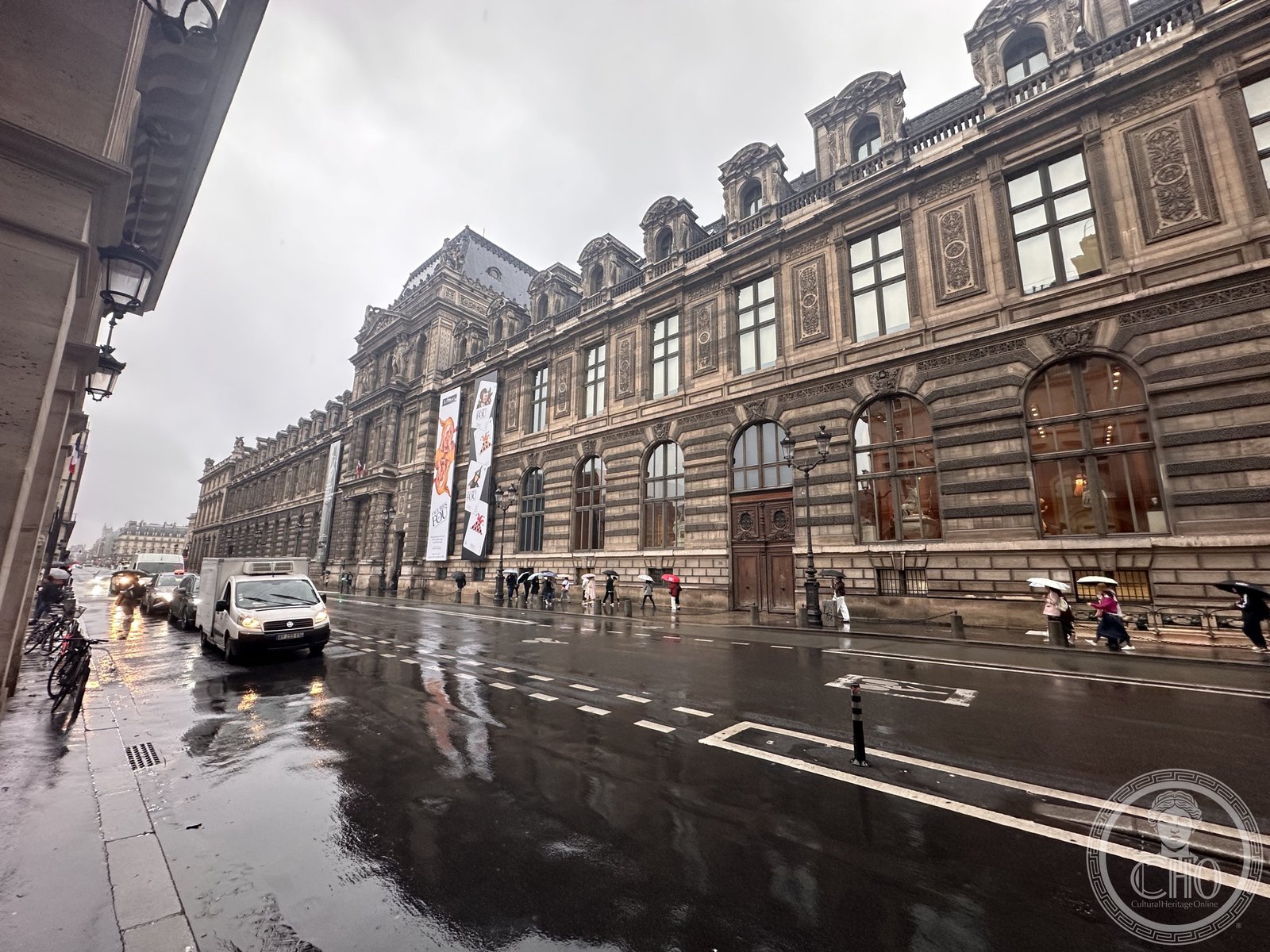
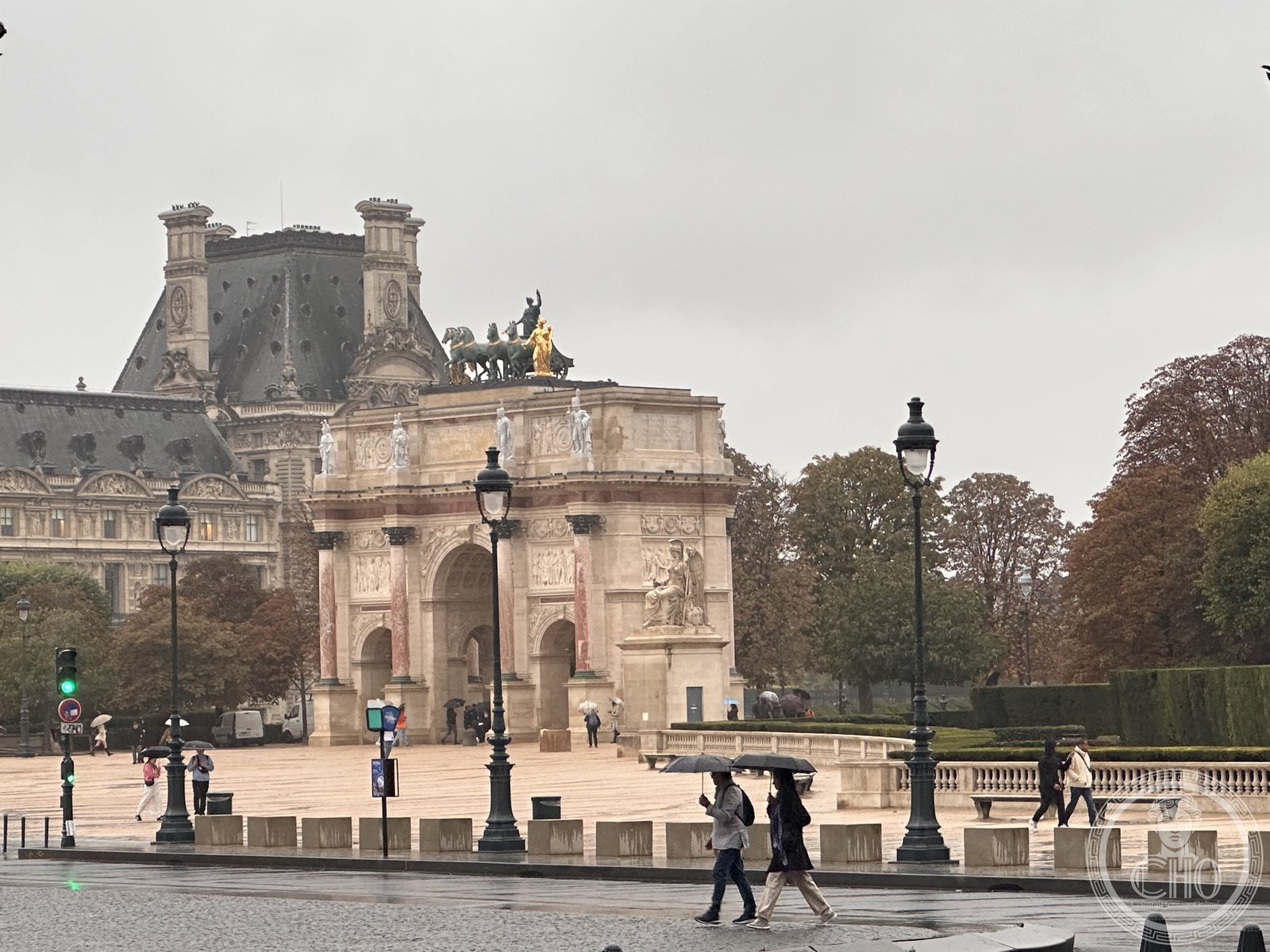
Photographs by Luigi De Marchi.
See the place
Find it on the map
See this place and what’s around it →Historical events at this place (1)
📷 Become a Cultural Heritage Online photographer
Share your photos of places: they stay published under your name as the author. The more they're seen, the more you get noticed — and soon a contest will reward the most appreciated photos.
Log in or sign up free to add a photoIs this page about you?
This page is read by travellers and heritage enthusiasts who find it on Google. Tell us how you are connected to this place and we will take it from there.