
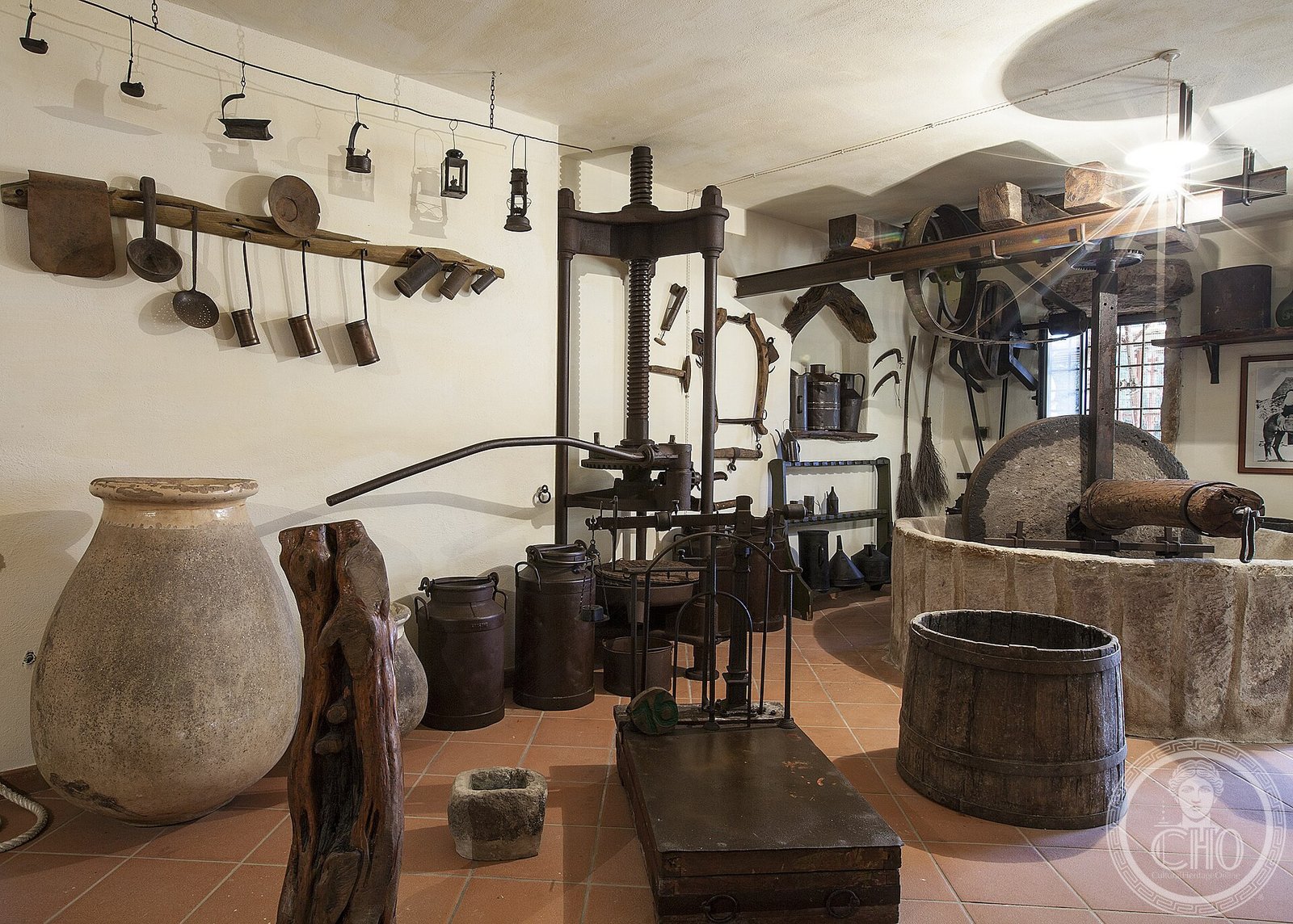
S’Abba Frisca is an open-air archaeological museum park in Siniscola, on the eastern coast of Sardinia, dedicated to the Nuragic civilisation that flourished on the island between roughly 1800 and 500 BCE. The park preserves and interprets nuraghi (stone towers), giant’s tombs, and other Bronze Age structures set within a landscape of Mediterranean scrub, offering visitors an immersive encounter with one of Europe’s most distinctive prehistoric cultures. Its coordinates (40.3075° N, 9.6294° E) place it in the Baronia sub-region, inland from the Gulf of Orosei.
- Type
- Open-air archaeological museum and nature park
- Period
- Nuragic Bronze Age, c. 1800–500 BCE; park established late 20th century
- Style
- Nuragic dry-stone megalithic architecture
- Location
- Siniscola, Province of Nuoro, Sardinia, Italy
Overview
S’Abba Frisca — the name translates roughly as “fresh water” in Sardinian, recalling a local spring — brings together a cluster of Nuragic monuments within a managed park environment. Sardinia holds more than 7,000 surviving nuraghi, making it the richest repository of Bronze Age megalithic architecture in the Mediterranean. The park at Siniscola presents these structures in their natural setting, supported by interpretive materials that explain the social and ritual functions of the Nuragic people who built them.
History
The Nuragic civilisation emerged in Sardinia around 1800 BCE and produced thousands of towers (nuraghi), villages, and sacred wells before gradually declining after Phoenician and later Roman colonisation. The structures at S’Abba Frisca date to the middle and late Bronze Age and were likely used for both defensive and communal purposes. Archaeological investigation of the Siniscola area has recovered ceramics, bronze objects, and votive items consistent with the broader Nuragic tradition documented at major sites like Su Nuraxi di Barumini (a UNESCO World Heritage Site). The park was established to protect the local monuments and make them accessible to education and heritage tourism.
What you see
Walking trails connect a series of Nuragic stone towers and associated structures, some partially restored and others left in their natural ruined state. Giant’s tombs — elongated megalithic burial chambers associated with ancestor worship — are among the most atmospheric monuments in the park. The surrounding macchia mediterranea vegetation of mastic, juniper, and cistus provides a sensory context that would have been familiar to the people who built these structures three thousand years ago. Interpretive panels in Italian and English explain the chronology and purpose of each monument.
Cultural significance
The Nuragic civilisation is unique to Sardinia and represents one of the most complex pre-Roman cultures in the western Mediterranean, with no direct parallels elsewhere in Europe. S’Abba Frisca forms part of a network of Sardinian archaeological parks that collectively argue for the island’s status as a world-class destination for prehistoric heritage. The site contributes to ongoing scholarly debates about the social organisation, trade networks, and religious practices of Nuragic communities.
Practical information
- Address
- Siniscola, Province of Nuoro, 08029, Sardinia, Italy
- Coordinates
- 40.3075° N, 9.6294° E
Getting there
Siniscola is located on the eastern coast of Sardinia, approximately 35 km north of Nuoro and 60 km south of Olbia. It is accessible by car via the SS131dcn highway. Regional trains on the Cagliari–Olbia line stop at Siniscola. Local buses and taxis are available from the town centre to reach the park; a car is recommended for independent exploration of the area.
Sources & resources
Find it on the map
See this place and what’s around it →📷 Become a Cultural Heritage Online photographer
Share your photos of places: they stay published under your name as the author. The more they're seen, the more you get noticed — and soon a contest will reward the most appreciated photos.
Log in or sign up free to add a photoIs this page about you?
This page is read by travellers and heritage enthusiasts who find it on Google. Tell us how you are connected to this place and we will take it from there.