
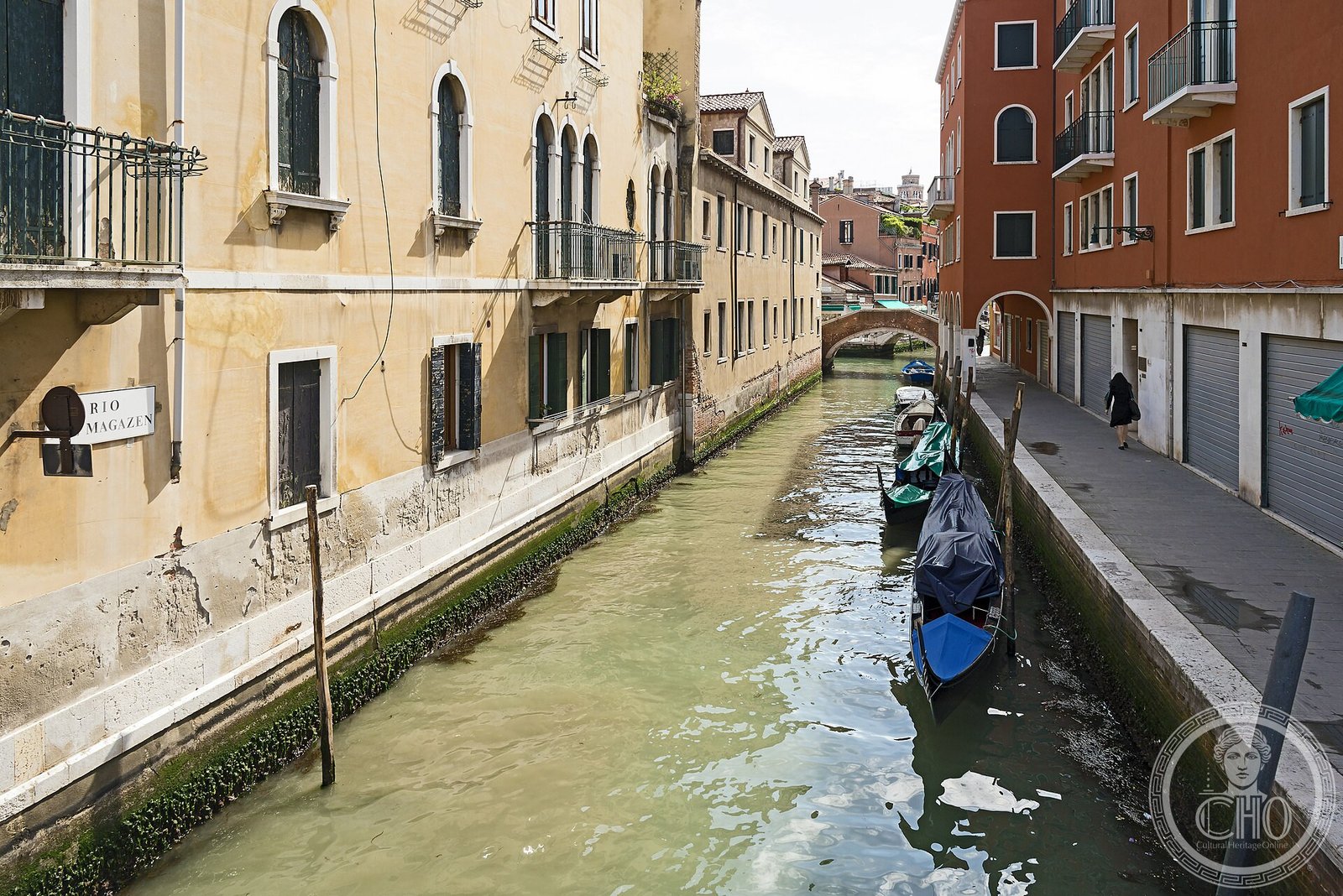
Gianos Venezia Bacaro is a contemporary Venetian bacaro — a wine bar and cicchetti counter — that combines the traditional format of the neighbourhood ombra-and-snack stop with a curated selection of natural wines and modern interpretations of Venetian small plates. The name “Gianos” suggests a personal or family name used to personalise the bacaro identity within a tradition where such counters were historically known simply by their owner’s first name. It forms part of a new generation of Venetian bacari that aim to preserve the social function of the form while refreshing its culinary vocabulary.
At a glance
- Type
- Bacaro (Venetian wine bar and cicchetti counter)
- Style
- Contemporary take on traditional cicchetti and ombra culture
- Location
- Venice, Cannaregio / Rialto area, Italy
Overview
Gianos fits within the current renewal of Venetian bacaro culture, in which younger operators and small-scale producers have reinvested in the ombra-and-cicchetti format as a vehicle for quality rather than speed. The offer typically includes a short wine list drawn from Veneto, Friuli-Venezia Giulia, and sometimes natural-wine producers further afield, paired with cicchetti that update Venetian classics: baccalà mantecato in less conventional presentations, creative toppings on polenta rounds, and seasonal vegetables prepared with more technique than the standard bacaro kitchen historically applied. The format remains standing-room and informal.
History
The bacaro tradition in Venice dates to at least the sixteenth century, when wine merchants sold wine by the small glass at street-level counters throughout the city. The word ombra — shadow — for a small glass of wine derives from the practice of following the shadow of the Campanile di San Marco to stay in the shade while drinking in the piazza. Bacari declined in the second half of the twentieth century as the permanent Venetian population shrank and tourist-oriented restaurants took over commercial space; since the 2010s a revival movement has sought to bring the format back to a younger, quality-conscious audience without abandoning its democratic and social character.
What you see
A compact interior with a marble or wood counter running most of the length of the room, bottles arranged behind glass, and a refrigerated display of cicchetti assembled fresh each morning. The aesthetic in contemporary bacari tends toward stripped-back materials — exposed plaster, simple pendant lights, wooden stools — that signal quality without formality. At aperitivo hour the space fills and spills outward: customers hold their glasses in the calle or lean against bridge railings in the Venetian manner.
Cultural significance
The bacaro functions as one of the primary social institutions of Venetian life alongside the campo and the church; its revival is therefore not simply a food trend but a form of urban cultural preservation. Venues like Gianos contribute to maintaining the conditions under which a living, non-museified Venice can continue to exist — a city where residents gather outside tourist circuits, where wine is affordable, and where the evening begins in a narrow calle rather than a restaurant with a reservation queue.
Practical information
- Address
- Venice (check Google Maps for exact address and neighbourhood)
- Hours
- Check Google Maps or official channels for current opening hours
- Price range
- Budget to mid-range — cicchetti €1.50–4 each; wine by the glass from €3–6
- Reservations
- Generally not required; standing counter format
Getting there
Venice’s bacari are distributed throughout the city’s six sestieri and are best reached on foot via the city’s pedestrian network of calli and fondamente. The nearest vaporetto lines serve most areas of the city; from any stop a short walk through the neighbourhood will bring you to the venue. No vehicles can access Venice’s interior streets.
Sources & resources
- Cultural Heritage Online — Venice places guide
- City of Venice tourism portal: veneziaunica.it
Find it on the map
See this place and what’s around it →📷 Become a Cultural Heritage Online photographer
Share your photos of places: they stay published under your name as the author. The more they're seen, the more you get noticed — and soon a contest will reward the most appreciated photos.
Log in or sign up free to add a photo