

Legnano is a town and comune in the province of Milan, Lombardy, about 20 kilometres from central Milan along the Olona River. With around 60,000 inhabitants it is one of the most populous townships in Lombardy and the historic heart of the Alto Milanese district.
At a glance
- Type
- Town and comune
- Period
- Settlement traced to the 1st millennium BC; established as a town in 1261
- Style
- Medieval and industrial-era urban fabric
- Location
- Alto Milanese, province of Milan, Lombardy, Italy
Overview
Legnano lies in the Alto Milanese and is crossed by the Olona River. With roughly 60,000 residents it ranks among the most populous towns in Lombardy. It is one of only two places named in the Italian national anthem, the other being Rome.
History
Archaeological evidence traces habitation of the hills lining the Olona back to the 1st millennium BC. The town itself was established in 1261. Legnano is celebrated above all for the historic victory of the Lombard League over Emperor Frederick Barbarossa fought near the town, an event commemorated each year by its inhabitants.
What you see
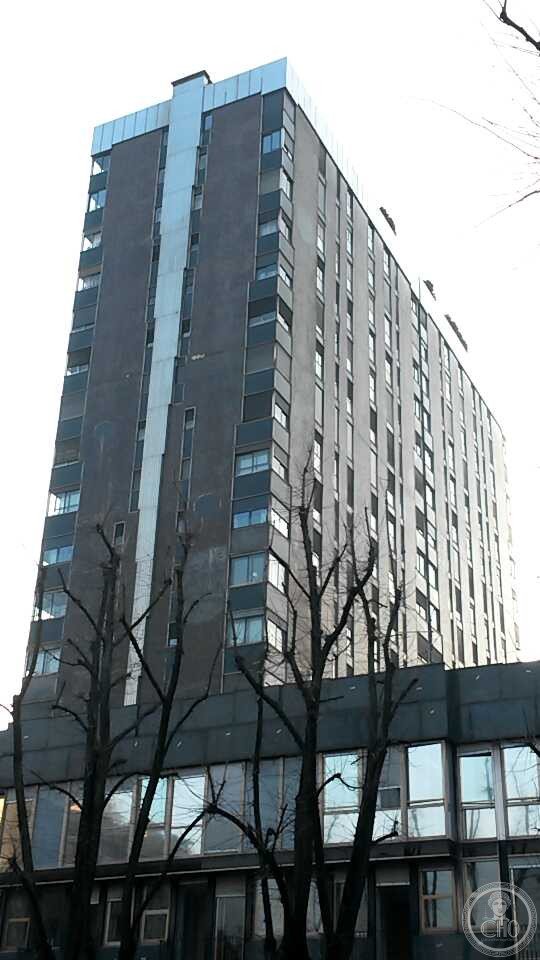
The urban centre preserves a layered fabric of medieval origins overlaid by the growth that came with the textile and mechanical industries of the 19th and 20th centuries. The Olona River threads through the town, and civic life still revolves around the annual commemoration of the medieval battle.
Cultural significance
The Battle of Legnano gave the town a place in Italian national memory, immortalised in the line of the national anthem evoking unity “from the Alps to Sicily.” Each year a major civic festival marks the historic League’s victory.
Practical information
Legnano is an active town with shops, services and museums. For opening hours of specific monuments and museums, check the official municipal website.
Getting there
Legnano sits about 20 kilometres northwest of central Milan and is served by regional rail and road connections from the city. Milan’s airports provide the nearest international gateways.
Sources & resources
Il Palio tra Folklore e Storia — Palio di Legnano
Wikipedia: Legnano · More cultural heritage at culturalheritageonline.com
See the place
The battle commemorated each year was fought on 29 May 1176. The modern revival began in 1932 as the Festa del Carroccio and has carried the name Palio di Legnano since 1935; the costumed procession and the horse race are held on the last Sunday of May, with more than 1,200 participants from the town’s eight contrade.
Frequently Asked Questions
Where is Legnano located?
Legnano is a town and comune in the province of Milan, Lombardy. It lies about 20 kilometres from central Milan along the Olona River, in the Alto Milanese district.
When was Legnano established as a town?
The town was established in 1261. Habitation of the hills along the Olona, however, is traced back to the 1st millennium BC.
How many people live in Legnano?
Legnano has roughly 60,000 residents. That makes it one of the most populous towns in Lombardy.
What is Legnano known for?
It is known above all for the victory of the Lombard League over Emperor Frederick Barbarossa fought near the town. The town is commemorated each year by its inhabitants, and it is one of only two places named in the Italian national anthem.
How do I get to Legnano from Milan?
Legnano is served by regional rail and road connections from Milan. Milan’s airports provide the nearest international gateways.
Find it on the map
See this place and what’s around it →📷 Become a Cultural Heritage Online photographer
Share your photos of places: they stay published under your name as the author. The more they're seen, the more you get noticed — and soon a contest will reward the most appreciated photos.
Log in or sign up free to add a photo